
Loading titles…
Self - Marty
Self - Moog

Carroll Shelby came from humble beginnings working as a chicken farmer in rural Texas. He exploded into the auto-racing scene by beating all the top-tier drivers of the era and winning the 24 Hours of Le Mans in 1959. All while still wearing his chicken-overalls. Carroll had a heart condition that nearly killed him, forcing him to retire from racing. He started Shelby American and assembled a rag-tag team of hot-rodders to execute his vision of building groundbreaking sports cars like the Shelby Cobra. He also led Ford and the GT40 to multiple victories at Le Mans over Ferrari. Shelby’s cars, driven by the greatest drivers in the history of racing, cemented his legacy. He is the only man in history to win Le Mans as both a driver and a manufacturer. And is still the only American auto-manufacturer to win the World Manufacturing Championship.
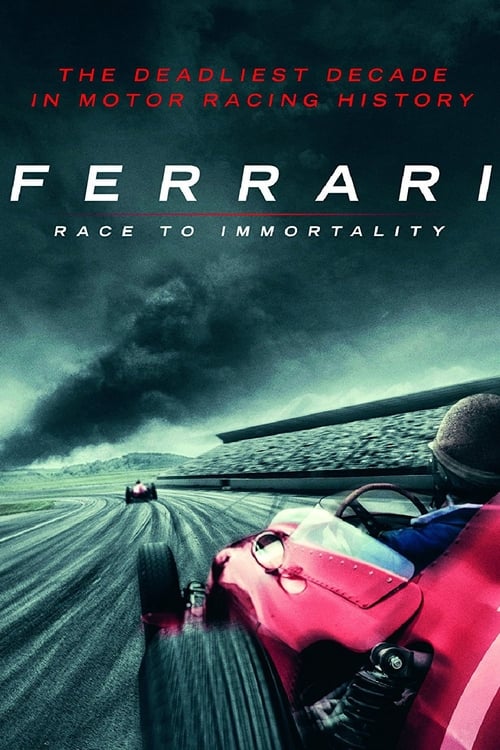
The late 1950s were known as golden years in the world of motor racing, champions were made and lost on a Sunday, and no losses were greater than those of Enzo Ferrari’s Scuderia. Based on Chris Nixon’s bestselling biography Mon Ami Mate, Ferrari: Race to Immortality tells the story of the loves and losses, triumphs and tragedy of a turbulent era that shook the motor racing world.

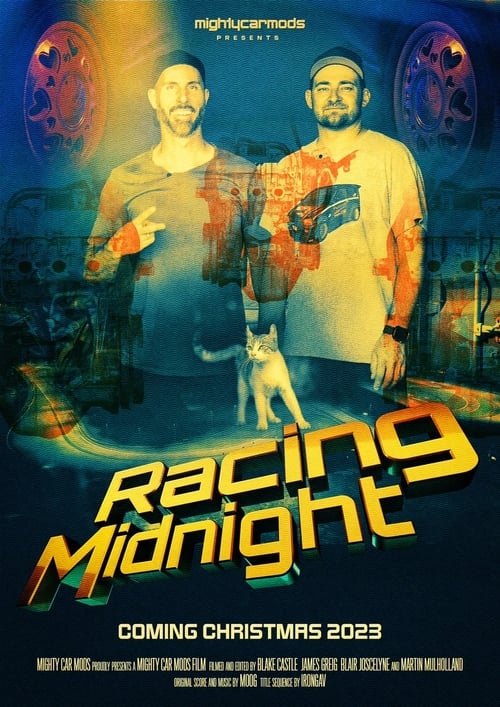
Marty and Moog are back in Japan to pick up another car that they've bought off the internet. This time, they'll be road tripping to Hokkaido to meet up with someone very special. With all new original soundtrack and stunning cinematography, this 90 minute feature film explores Japan in all its glory, and showcases what Mighty Car Mods does best!
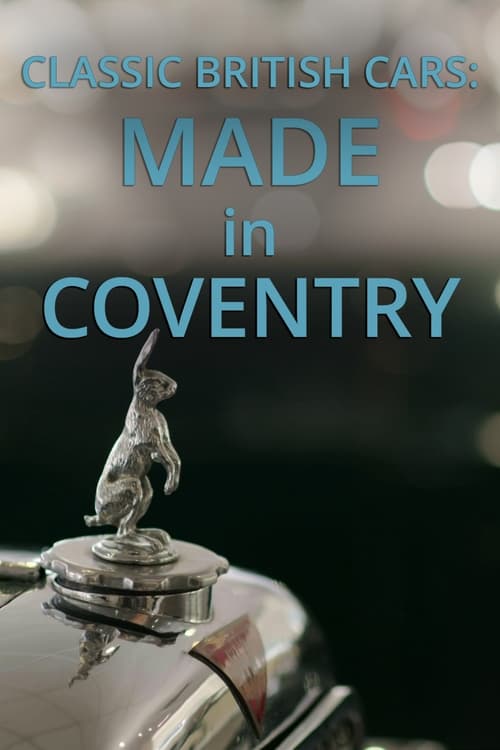
Find out how the cars were crafted and discover the secret family stories behind the most famous marques including Riley, Standard, Triumph and Jaguar. Legendary racers Rosemary Smith, Pat Quinn and Norman Dewis share their memories of competing Coventry’s cars in some of the world’s most dangerous motorsport events. And, meet the people passionate about preserving the city’s extraordinary motoring heritage.
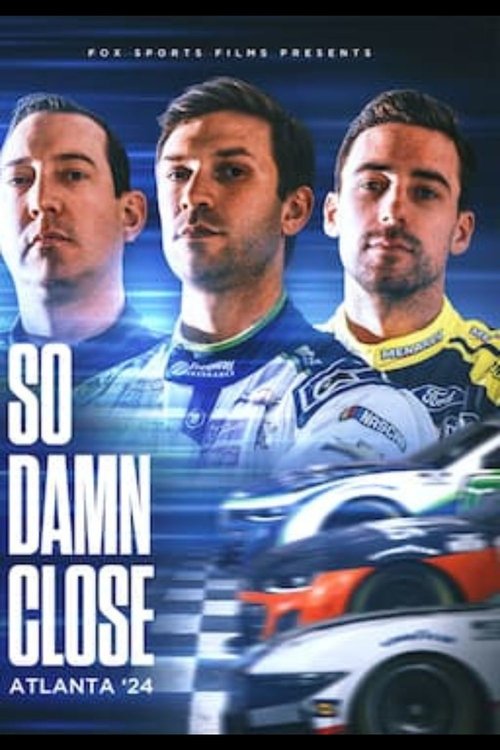
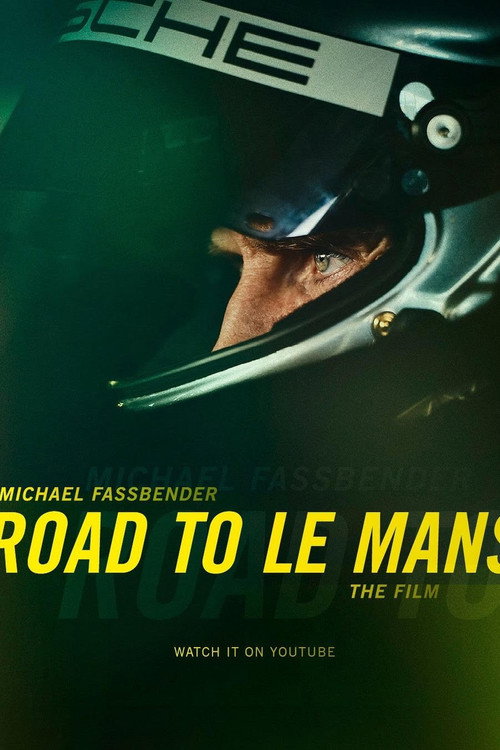
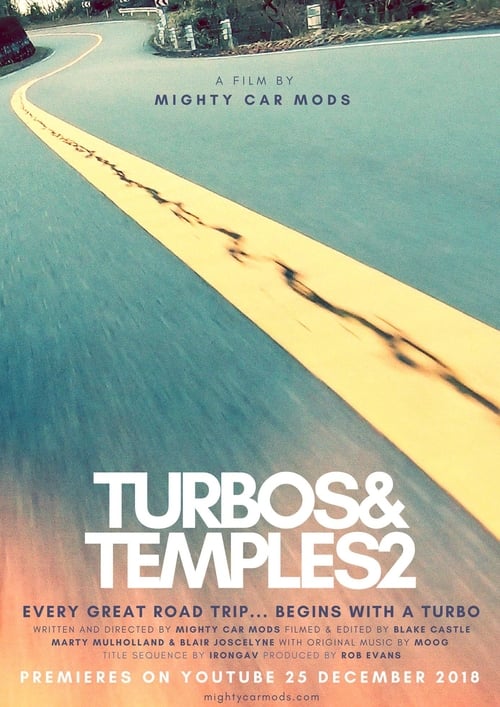
Join Marty and Moog on an epic road trip across Japan in a car they've just bought off the internet. But before the trip kicks off, the boys have to decipher a cryptic note from the previous owner found on the steering wheel... With stunning cinematography and epic cars, this 90 minute sequel to Turbos & Temples delves into Japanese culture in a way that only Mighty Car Mods can.
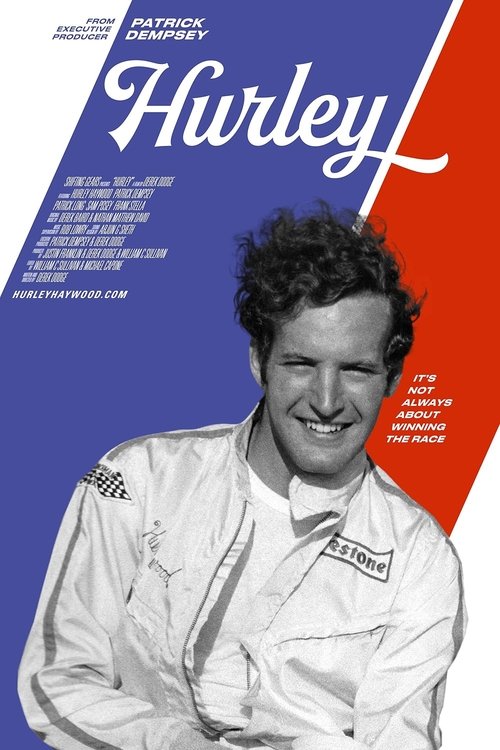
In the world of 1970s car racing, Hurley Haywood was cool, calm and collected. A five-time 24 Hours of Daytona winner, three-time Le Mans winner and Trans-Am champion, Haywood was a Hollywood archetype: a strikingly handsome man brought up by a good Midwestern family. Yet Haywood was often overshadowed by racing partner and volatile mentor, Peter Gregg—the Batman to his Robin—whose abrupt suicide in 1980 shook the sport to its core. And yet Haywood had secrets of his own. Despite multiple encounters with women, some that included public appearances alongside Penthouse models, he remained elusive about his personal life. With deft use of archival footage and exclusive interviews featuring actor and fellow racer, Patrick Dempsey, Hurley reveals a greater insight into Haywood’s tightrope walk between career and sexuality, while posing the question—will motorsport ever be ready for openly LGBT racers?
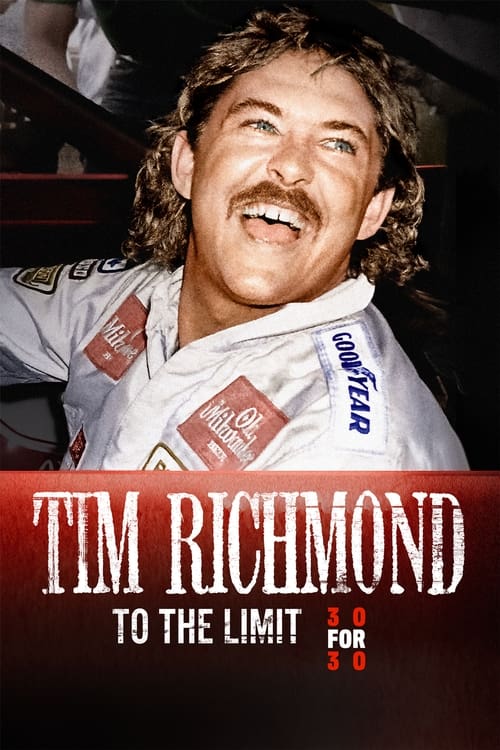
Natural. Rock star. Outsider. In the 80s, race car driver Tim Richmond lived his life the way he raced cars – wide open. Born into a wealthy family, Richmond was the antithesis of the Southern, blue-collar, dirt-track racers who dominated NASCAR. He also was a flamboyant showman who basked in the attention of the media and fans – especially female admirers. Nevertheless, it was Richmond’s on-track performances that ended up drawing comparisons to racing legends. And in 1986, when he won seven NASCAR races and finished third in the Winston Cup series points race, some believed he was on the verge of stardom. But soon his freewheeling lifestyle caught up to him. He unexpectedly withdrew from the NASCAR racing circuit, reportedly suffering from double pneumonia. In reality he had AIDS. Richmond returned to the track in 1987, but he was gone from the sport by the next year as his health deteriorated. He spent his final days as a recluse, dying on August 13, 1989, at the age of 34.