
Loading titles…
Documentary
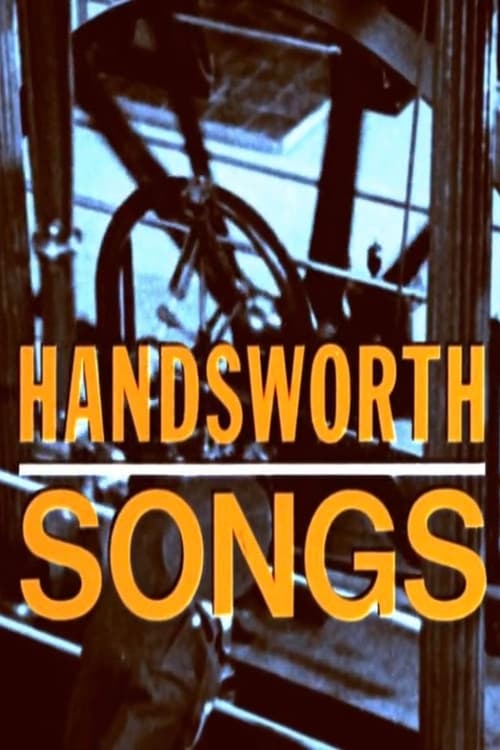
The Black Audio Film Collective’s acclaimed essay film, 'Handsworth Songs', examines the 1985 race riots in Handsworth and London. Interweaving archival photographs, newsreel clips, and home movie footage, the film is both an exploration of documentary aesthetics and a broad…
Voice Over

Voice Over
Voice Over
Filmmaker Arturo Perez Torres follows in the footsteps of two friends traveling on an extraordinary and extremely dangerous journey from Central America to North America. On their journey they encounter gangs and vigilantes as well as border patrol. But these immigrants navigate real-life nightmares with uncanny calm, grace and even humor in their perilous pursuit of the a better life.
"Ellis Island Tales" - From 1892 to 1924, nearly 16 million emigrants from Europe passed through Ellis Island, a small block of land where a transit center was built, near the New York Statue of Liberty. "Ellis Island Tales, Stories of Wandering and Hope" - the book is composed of three major parts. Georges Perec and Robert Bober visited Ellis Island and with the help of texts and documents, restored what everyday life was about what some called "the island of tears".
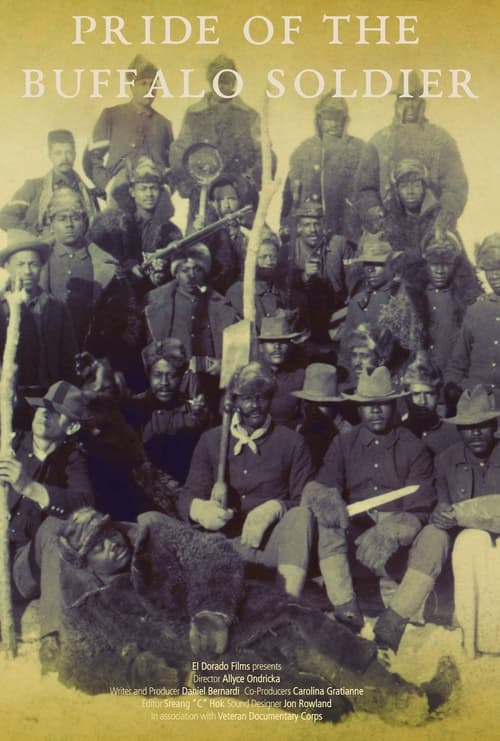
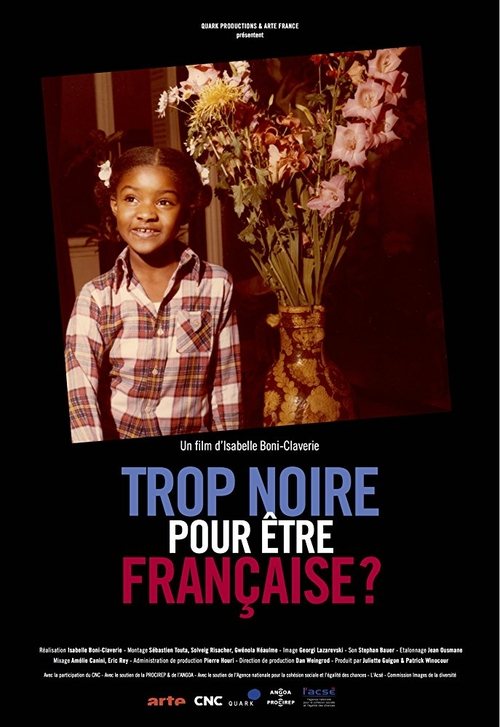
Approximately, because so-called "ethnic" statistics are prohibited, there are an estimated 3.3 million black French citizens. Distant descendants of slaves from the Caribbean or "indigenous" peoples from the French colonial empire in Africa, they constitute a minority that is often discriminated against. Isabelle Boni-Claverie, a mixed-race woman raised in the affluent neighborhoods of Paris, daughter of an Ivorian politician and granddaughter of Alphonse Boni, a Black man who became a magistrate of the French Republic in the 1930s, examines what is blocking the social advancement of Black French people and the full recognition of their citizenship.
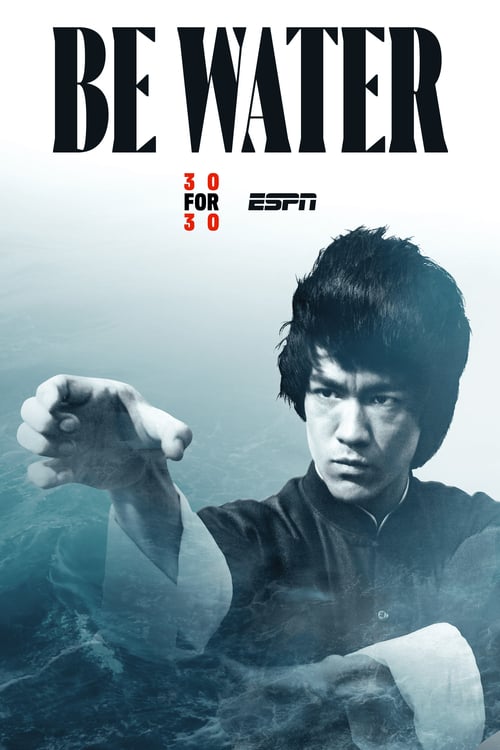
In 1971, after being rejected by Hollywood, Bruce Lee returned to his parents’ homeland of Hong Kong to complete four iconic films. Charting his struggles between two worlds, this portrait explores questions of identity and representation through the use of rare archival footage, interviews with loved ones and Bruce’s own writings.