Rebecca Thomas
Rebecca Thomas
Self
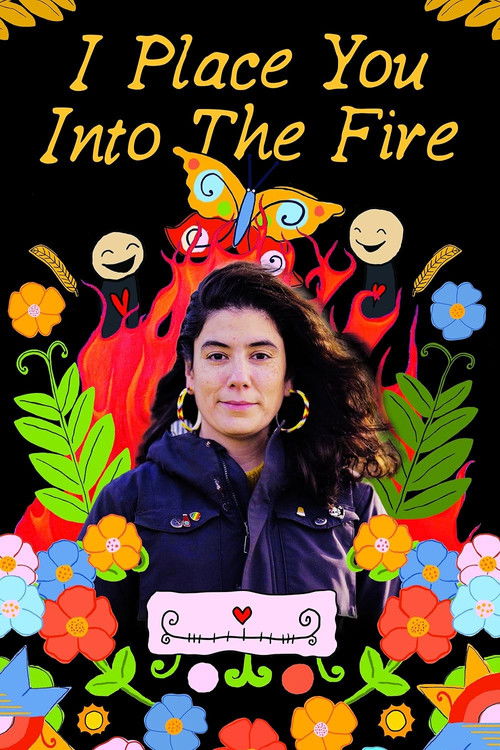
Combining the authenticity of Indigenous writer Rebecca Thomas' narrative, the power of poetry, and stunning animation, "I Place You into the Fire" invites viewers to consider their roles in fostering understanding, compassion and justice.
Self
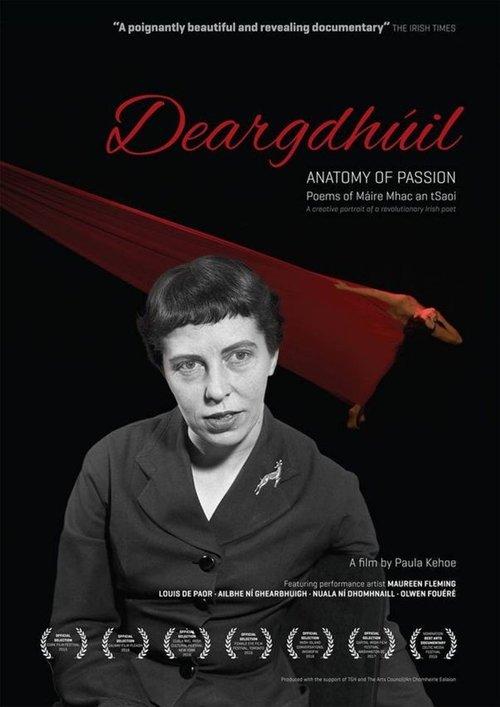
This was a labour of love combining the work of some incredible artists to bring Máire Mhac an tSaoi’s poetry into the medium of film. Deargdhúil: Anatomy of Passion explores the life, work and sensual poetic imagination of the revolutionary Irish poet Máire Mhac an tSaoi. Born in 1922, her story is set against a backdrop of a tumultuous century in Irish history in which she and her family were centrally involved. At a time when women's voices were being silenced, the native tradition in the Irish language was her stage to explore the depths of female sexuality and experience without shame. Featuring the movement poetry of performance artist Maureen Fleming, interview by Louis de Paor, poetry voiced by Máire Mhac an tSaoi, Ailbhe Ní Ghearbhuigh and Nuala Ní Dhomhnaill, autobiography script voiced by Olwen Fouéré.

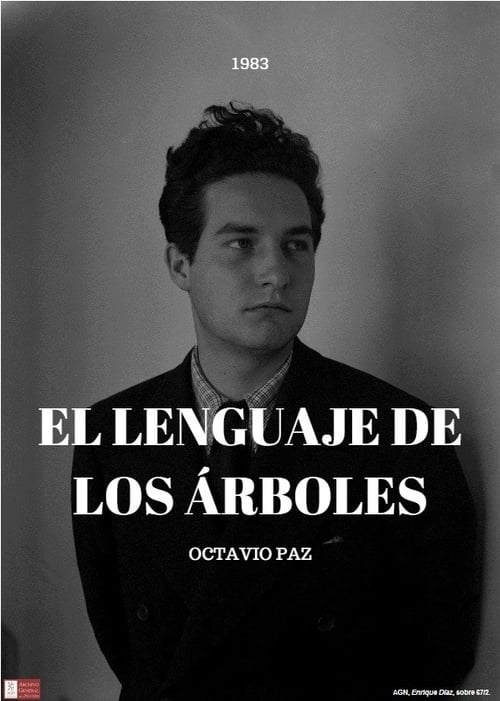
Documentary video journey in search of the missing Tatar poet Rahim Sattar. The path from the present to the past runs through a polylogue of experts, folk music, works by contemporary artists, musical and creative interpretation of poems by Rahim Sattar and unique archival newsreels shot at the dawn of cinema.
Once described by the press as "one of the most controversial figures on the Australian art scene", avant-garde poet and playwright Christopher Barnett achieved a level of notoriety in the Melbourne underground theatre scene during the ‘70s and ‘80s, before self-exiling to France. He remains there today, running an experimental theatre lab working with the marginalised and underprivileged, applauded by the establishment (including former French Prime Minister Jean-Marc Ayrault) and faithful to his belief that art can change the world. These Heathen Dreams is an intimate portrait of Barnett's life and revolutionary philosophy. Combining archival footage dating back to the ‘60s with contemporary observational documentation and text from Barnett's writings, it is a poignant and inspiring study of the power of both art and political activism.
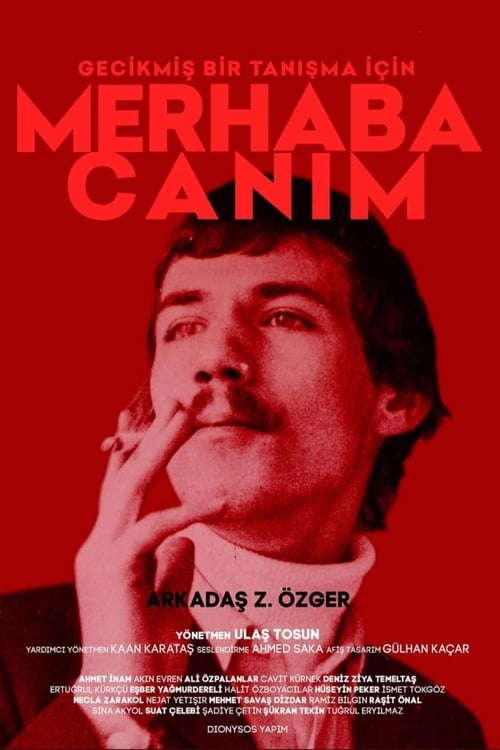
The documentary is titled after Arkadaş Z. Özger’s poem “Hello My Dear” which had caused much controversy in the period it was first published. Considered to be in defiance of heteronormativity, the said poem includes references to the poet’s personality, his family, his relationship to the society, and his “unexpected” death, which came three years after its publication. Today, 50 years after it was written, the documentary follows these same lines in the poem utilising cinematic elements. The documentary also rediscovers the poetics; reaches out to the family, the comrades, the friendships, departing from the official historical accounts, cognizant of his experience of otherness, in pursuit of the “lost” portrait of Arkadaş Z. Özger.