
Elijah Canlas
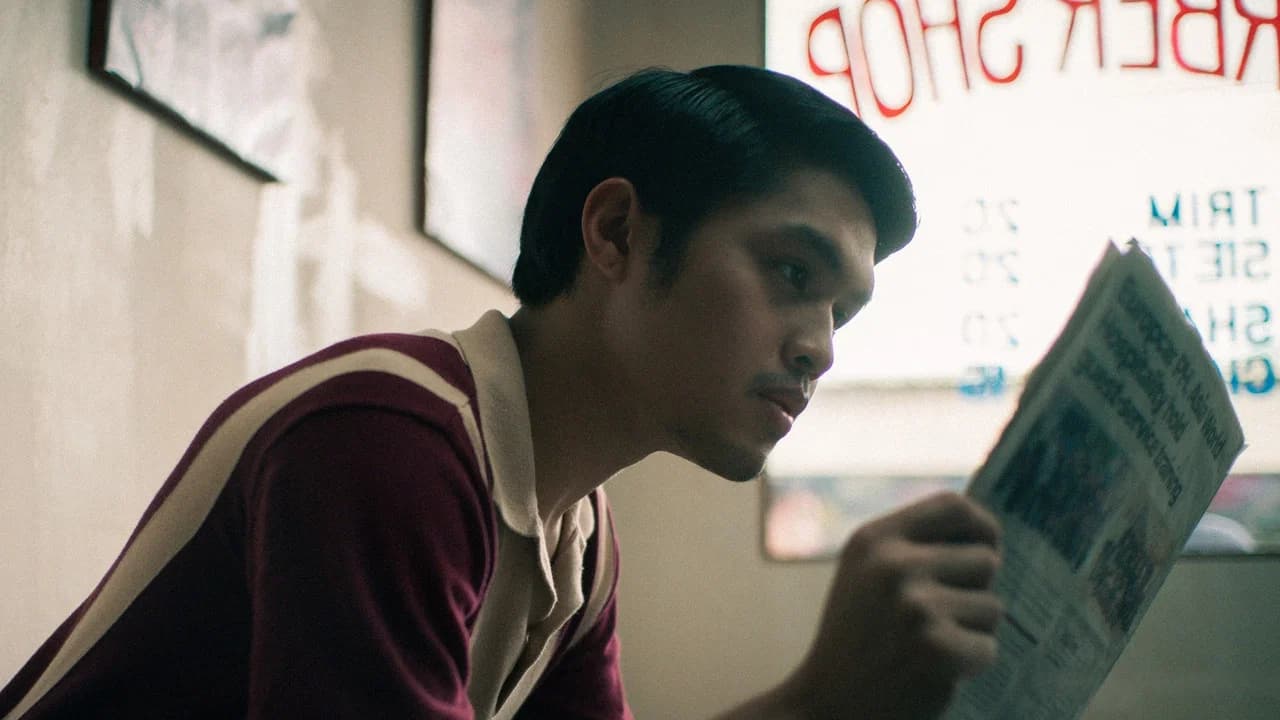
Edgar "Edjop" Jopson
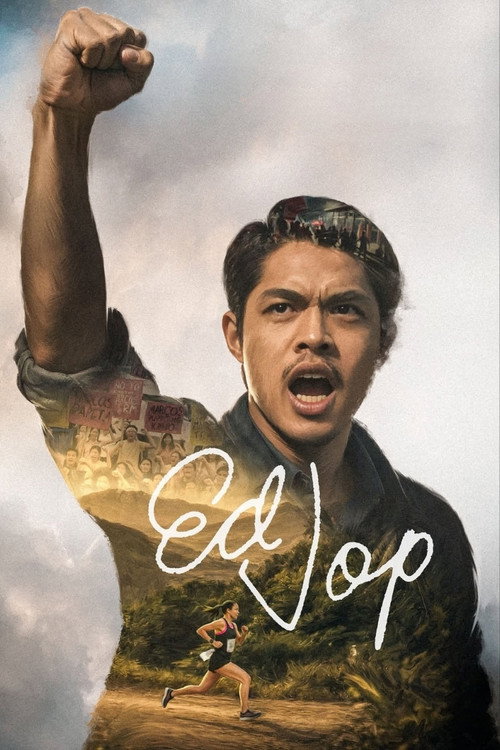
Based on the life of Edgar Jopson, a young man from an affluent family, who became an underground activist and confronted President Ferdinand Marcos and his regime of terror.
Edgar "Edjop" Jopson

Joyette Jopson

Noy Jopson

Joy Jopson

Young Joy Jopson
Sucel
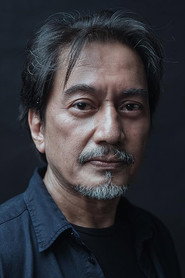
Hernan
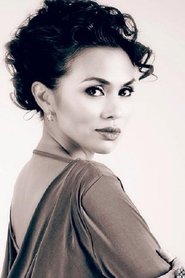
Josefa

Portia
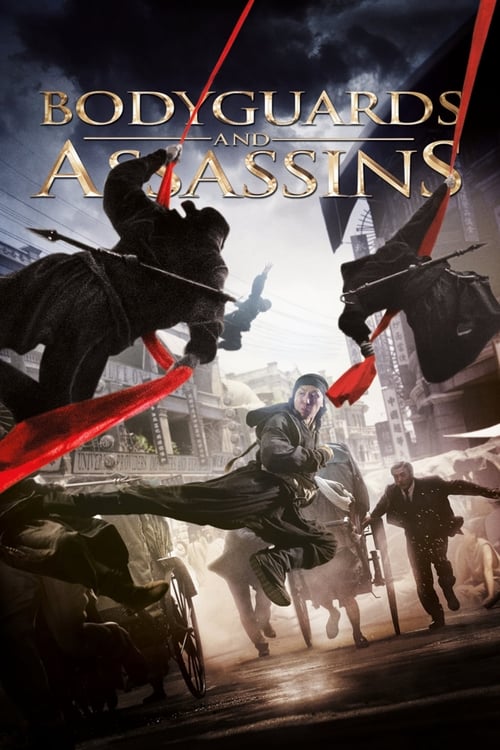
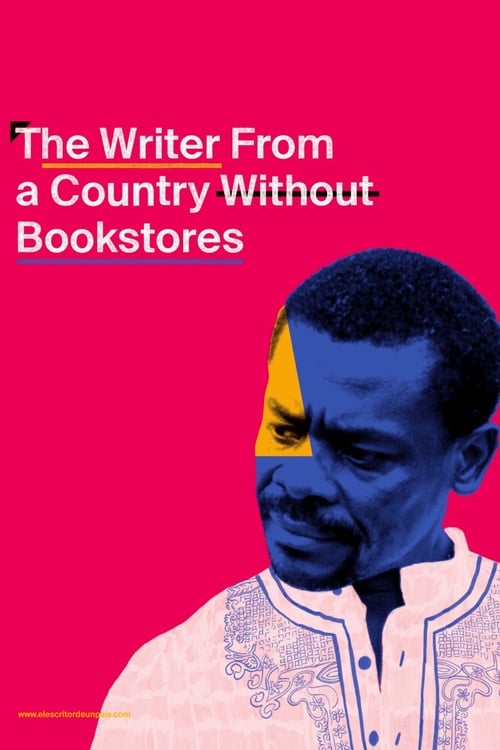
The ruthless dictator Teodoro Obiang has ruled Equatorial Guinea with an iron hand since 1979. Juan Tomás Ávila Laurel is the most translated Equatoguinean writer, but he had to flee the country in 2011, after starting a hunger strike denouncing the crimes of the dictatorship. Since then, he has lived in Spain, feeling that, despite the risks, he must return and fight the monster with words.
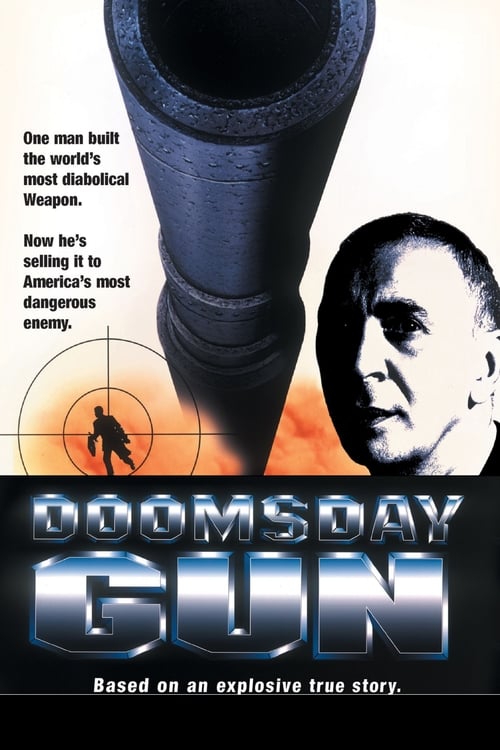
Dr Gerald Bull was a genius at designing and building superguns (very large long range guns capable of shooting at ranges more than 100 miles). When an operational plan by the CIA to export sanctioned arms to apartheid-South Africa through him was exposed, the CIA denied all knowledge and he went to jail. He was later released, and moved to Belgium to start a subsidiary, of which a major project was to help Saddam Hussein build a new supergun capable of firing over 500 miles.
This historical melodrama (later remade by Henry Roussel himself in 1932 and Richard Pottier in 1952) set during the reign of Napoleon III of France. Here, Raquel Meller plays a Spanish flower girl who saves the life of the French empress Eugenie de Montijo (played by Suzanne Blanchetti), by taking her place in her carriage. When the carriage is overthrown by the anarchist's bomb, the girl survives because of the masses of violets in the imperial carriage, the empress' favorite flowers.
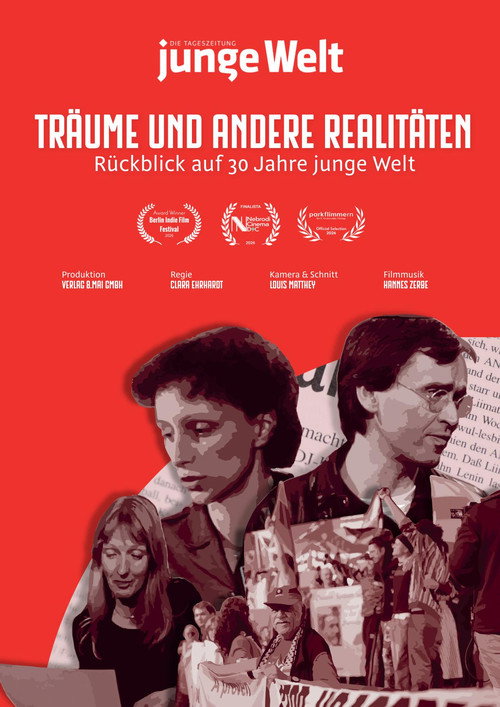
The film looks both back and forward, examining traditions, ruptures, and reinventions. It recounts the struggle for survival in the years following German reunification, the unique role of *junge Welt* as a national Marxist daily newspaper, and its place within the Left movement—as well as the repression, resistance, and visions for the future it has encountered. It is a portrait of the newspaper, the last three decades of its history, and the people who create it.
Andrea
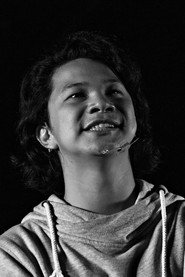
Freddie
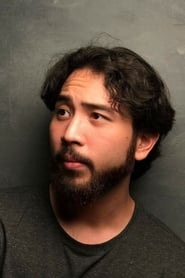
Gil Evora