

Luned Phillips
Luned Phillips
Self - Narrator (voice)
The struggle to pass the 1967 Abortion Act and its continued ramifications to the present day. Featuring never before broadcast interviews with women who had backstreet abortions, those in the medical profession on both sides of the debate, and the politicians and campaigners…
Self - Narrator (voice)
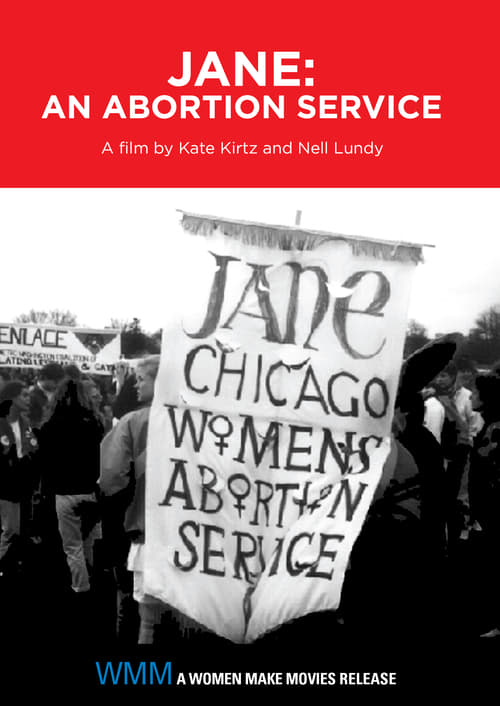
This fascinating political look at a little-known chapter in women's history tells the story of "Jane", the Chicago-based women's health group who performed nearly 12,000 safe illegal abortions between 1969 and 1973 with no formal medical training. As Jane members describe finding feminism and clients describe finding Jane, archival footage and recreations mingle to depict how the repression of the early sixties and social movements of the late sixties influenced this unique group. Both vital knowledge and meditation on the process of empowerment, Jane: An Abortion Service showcases the importance of preserving women's knowledge in the face of revisionist history. JANE: AN ABORTION SERVICE was funded by the Independent Television Service (ITVS) with funds provided by the Corporation for Public Broadcasting.
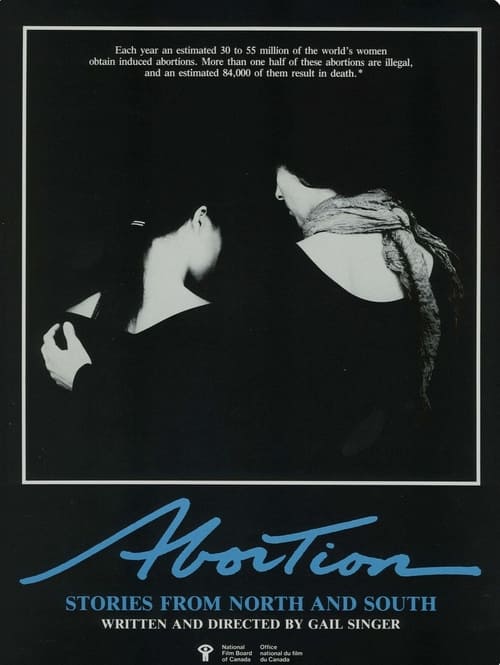
Women have always sought ways to terminate unwanted pregnancies, despite powerful patriarchal structures and systems working against them. This film provides a historical overview of how church, state and the medical establishment have determined policies concerning abortion. From this cross-cultural survey--filmed in Ireland, Japan, Thailand, Peru, Colombia, and Canada--emerges one reality: only a small percentage of the world's women has access to safe, legal operations.
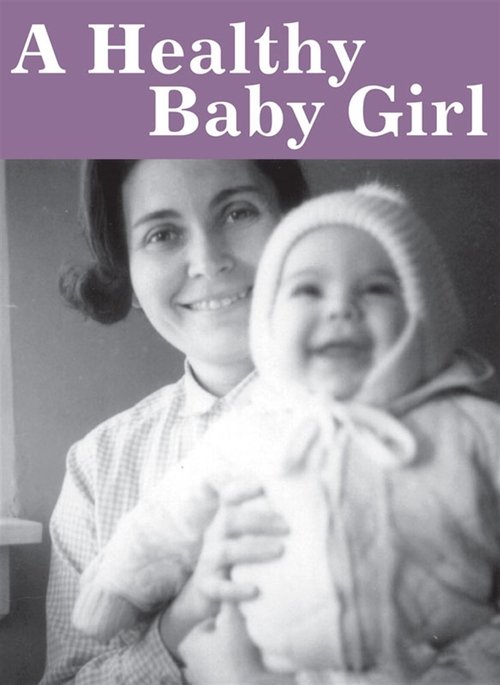
Filmmaker Judith Helfand turns the camera on herself to document her battle with cancer caused by DES, a drug prescribed to her mother during pregnancy. Refusing to confine the tears, rage, laughter and hope to dinner table conversations, Helfand invites us to witness her personal journey from radical hysterectomy patient to vocal opponent of toxic exposure. From her suburban home to the halls of Congress, the intensely private becomes widely public, and an American family is transformed and strengthened.
Motherhood: a subject so deeply ingrained in our society, we take it for granted as part of the natural order. It's assumed all women want children, that motherhood is not only a biological imperative but the defining measure of womanhood. Titled after one of the myths it challenges, this film draws upon a heady mix of culture, science, and history–revealing the rich and diverse lives of people who said no to children, and the forces that have marginalized them in society.
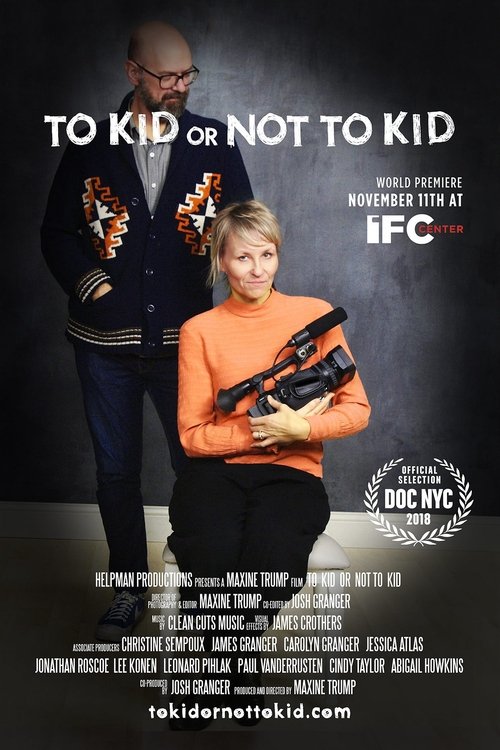
Filmmaker Maxine Trump turns the camera on herself and her close circle of family and friends as she confronts the idea of not having kids. While exploring the cultural pressures and harsh criticism child-free women regularly experience, as well as the personal impact this decision may have on her own relationship, Maxine meets other women reckoning with their choice: Megan, who struggles to get medical permission to undergo elective sterilization, and Victoria, who lives with the backlash of publicly acknowledging that she made a mistake when she had a child.
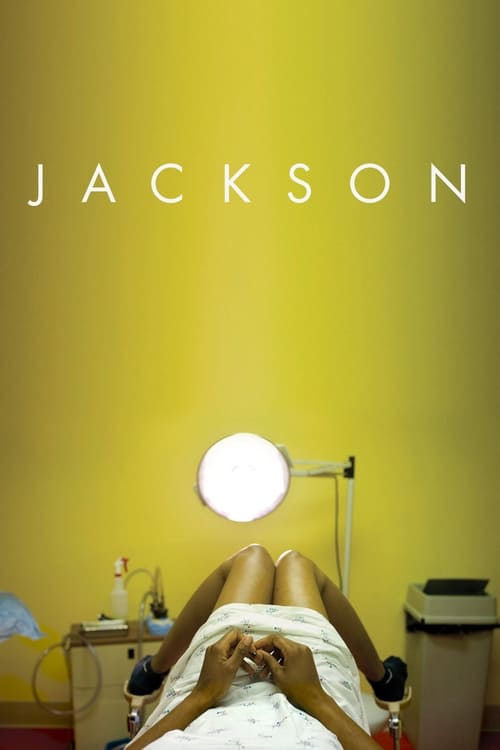
With a single abortion clinic remaining in the state of Mississippi, the city of Jackson has become ground zero in the nation's battle over reproductive health-care. Jackson is an intimate portrait of the interwoven lives of three women in this town. Wrought with the racial and religious undertones of the Deep South, the lives of two women are deeply affected by the director of the local pro-life crisis pregnancy center and the movement she represents.