Mallika Naguran
Mallika Naguran
Self
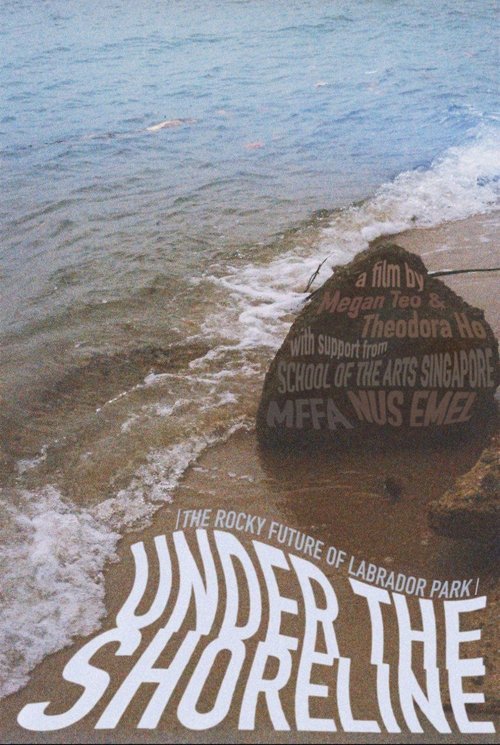
With rising sea levels, land reclamation runs rampant in Singapore. Labrador Park is one such waterfront facing this change, and both the ecosystem and frequent fishermen have often been overlooked. This documentary seeks to explore the park's development from a scientific,…
Self
Self
Self
Self
Self
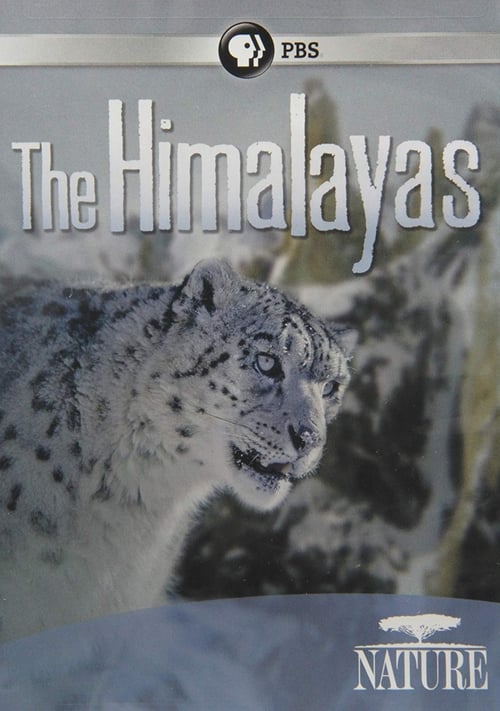
The highest mountain range in the world, the Himalayan range is far reaching, spanning thousands of miles, and holds within it an exceptionally diverse ecology. Coniferous and subtropical forests, wetlands, and montane grasslands are as much a part of this world as the inhospitable, frozen mountaintops that tower above. The word Himalaya is Sanskrit for abode of snow, fitting for a stretch of land that houses the world’s largest non polar ice masses. Extensive glacial networks feed Asia's major rivers including the Ganges, Indus, and Brahmaputra. More than a billion people rely on these glacier-fed water sources for drinking water and agriculture. The Himalayas are not only a remarkable expanse of natural beauty. They're also crucial for our survival.


In the middle of the Indian Ocean, more than 1.500 km from the nearest continent, lies an untouched, mysterious archipelago – the Chagos Islands. This group of 60 islands is one of the last pristine wildernesses on Earth. The Chagos Archipelago is one of the world’s largest marine national parks, and is strictly protected. A scientific expedition has been granted access to this politically disputed territory for the first time. In times of climate change, as global reef communities face a growing crisis, the researchers seek to show how coral reefs fare in places with minimal human interference. During a journey into the unknown, we follow in the footsteps of internationally renowned scientists, who aim to unlock the secrets of a lost world and gain astonishing insights into one of the last true wildernesses on Earth.
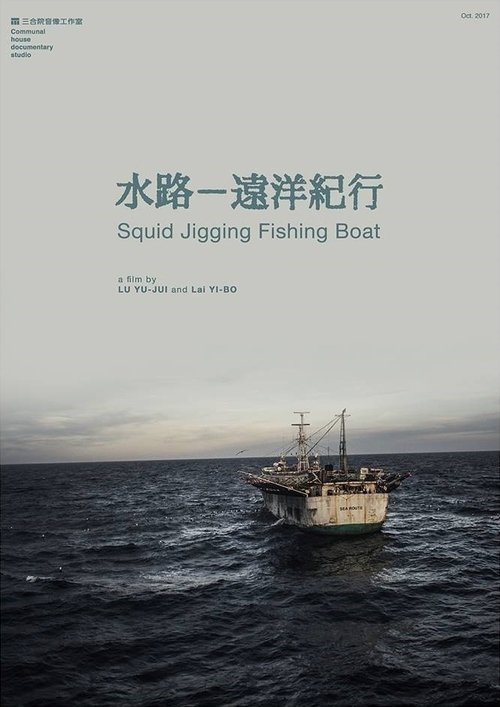
Every December to January, almost a hundred squid fishing boats from Ch'ien-chen Fishing Harbor in Kaohsiung will sail from East 120 to West 60 to work at Falkland Islands in the South West Atlantic. The sailing takes 35-40 days and crew members named it "waterway." January 1st, 2015, a 65 meter long, 11 meter wide fishing boat began its journey to Falkland island. This is a documentary about 60 crew members from south-east Asia to work far away from Taiwan.