Loading titles…
Music
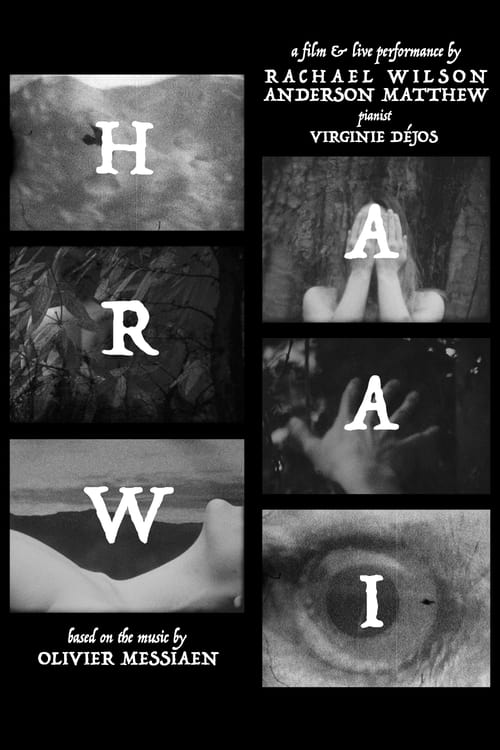
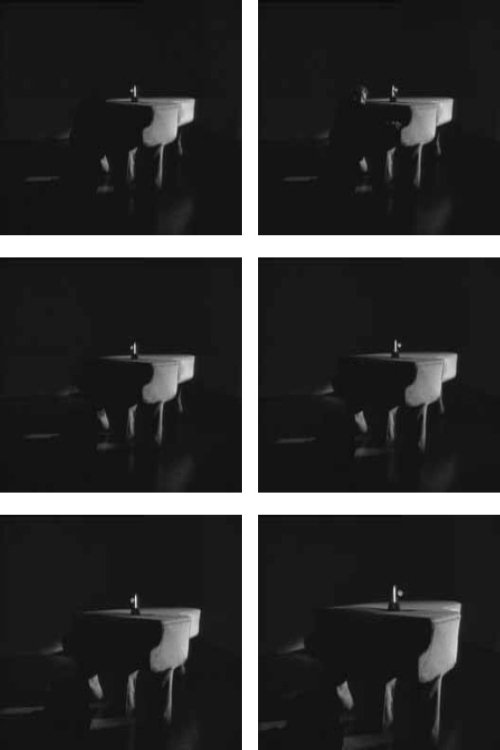
The union of the Indestructible Objet (1923-1959) by Man Ray and L'Infiltration homogenee for grand piano by Joseph Beuys (1966). Here the intersection of two temporalities is at stake: one punctuated by the pulsations of the metronome, the other marked by the continuous…
No cast information available.

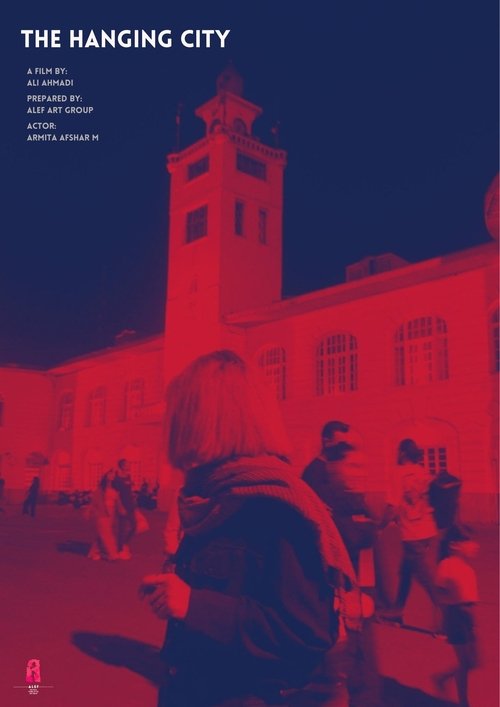

In a live performance of international standards, musicians, voices, dancers, hot choreographies, impressive visuals, live cinematography and masterful video-statements, worked down to the last detail, compose a multi-layered setting of unique aesthetics. With impressive scenography and absolute stage energy, the Water Square caught fire in front of 16,168 spectators of all ages, in an absolute POP experience. Explosive and lyrical, with a clear identity and point of view, the multi-platinum hitmaker and performer Marina Satti, will rock with her sweeping hits such as LALALALA, MANTISSA, BLOUZAKI, SPIRTO KAI VENZINI, LOLA, TUCUTUM, AUTOKINHTO, AH THALASSA and of course ZARI.
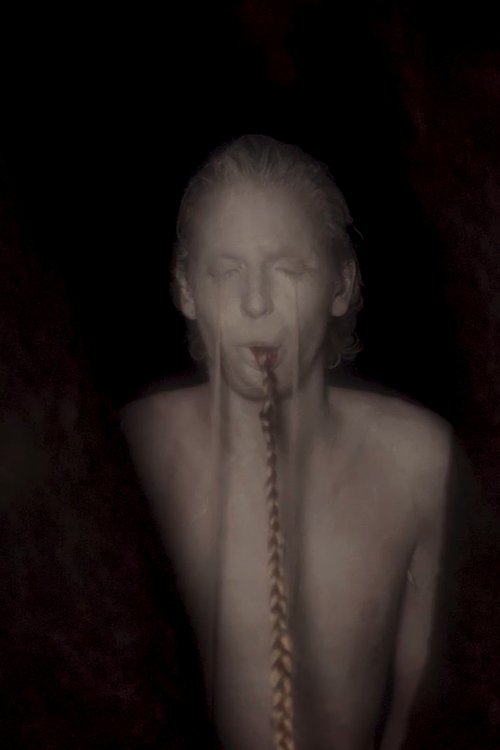
Keratin is a collaboration with the London Sinfionetta, visually responding to Gavin Higgins' Seven Welsh Folk Songs: I. Dacw 'Nghariad i. The film tells the journey of a mating of elements, two bodies grieve over a lost third: a child separated from their womb. The three bodies bound by their keratin, regain connection in a wombic journey which spiritually networks the three into a fused collective body.
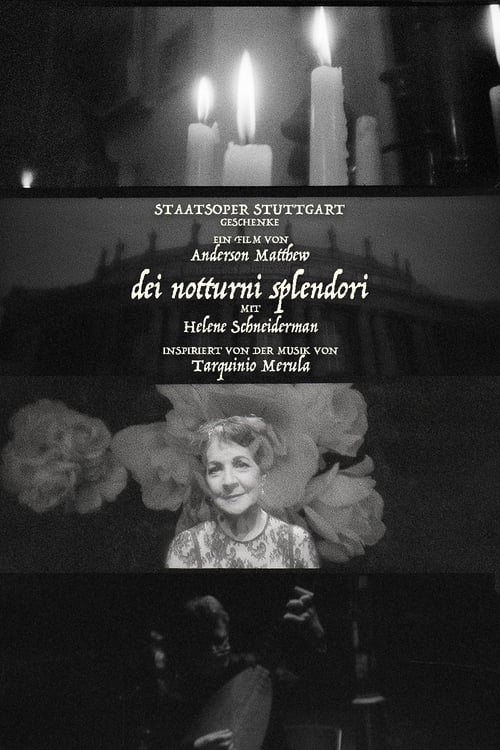
“And, 'twixt the shadows and frights of nocturnal splendors, My beloved will secretly be hiding. Say what you will, say what you may.” The sound of a distant whistle and theorbo calls a sleeping singer through the empty streets of Stuttgart in a midnight journey to the opera house. ‘dei notturni splendori’ is an experimental opera film made for the Staatsoper Stuttgart in the early months of the Coronavirus pandemic lockdown. Anderson Matthew captures the singer Helene Schneiderman through a midnight dream with a hand-cranked kino camera in an ecstatic 35mm photo roman, in search for her own performance of the Tarquinio Merula madrigal Folle é ben chi se crede from 1638.