Loading titles…
An international diary of the impact of climate change is constructed from thousands of hours of in-the-moment footage. Through the process, we witness the deep human resilience, resourcefulness and courage necessary to confront the world’s most pressing challenge.
No cast information available.

Pangolins are unique, bizarre, adorable creatures, but due to the demand for their scales on the illegal market, they’re also the most trafficked animal in the world. To turn the tide, wildlife veterinarian Elias Mubobo knows the solution rests in the hands of the local community — many of whom have never seen a pangolin in the wild.
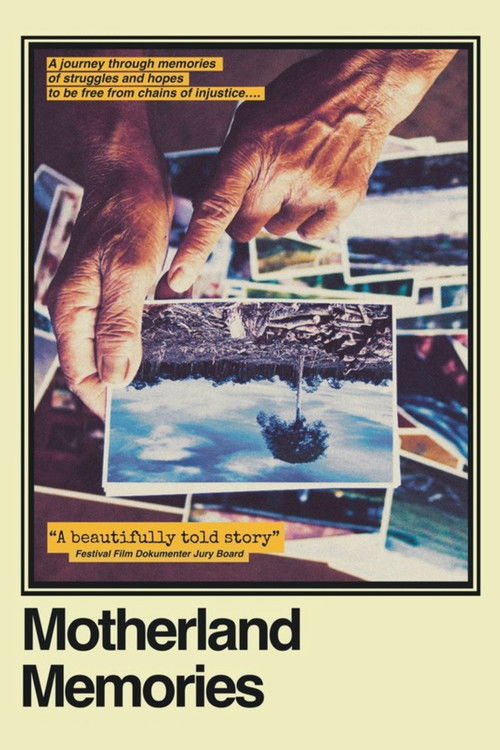
Ompung Putra Boru, a sixties indigenous Batak woman from Humbang Hasundutan, North Sumatra, retraces her life stories through photographs that interweave her past and present as a wife, mother, healer and indigenous land defender in two neighboring villages. Her multi-layered stories are juxtaposed with visual records of everyday life in the two villages, where people’s living space is still increasingly threatened by a giant pulp expansion.
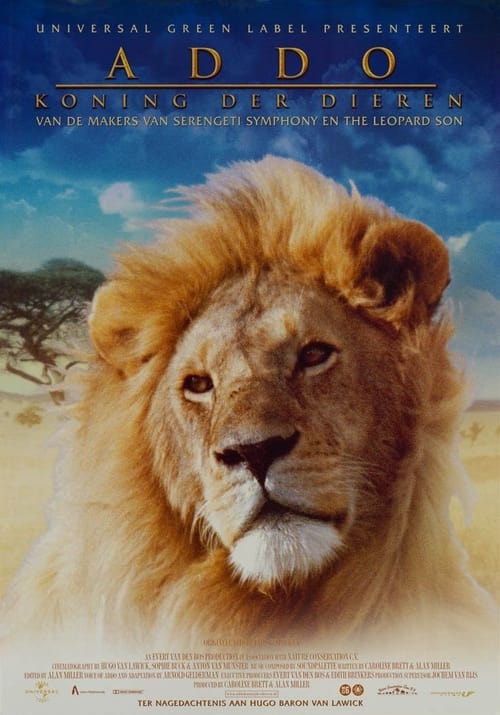
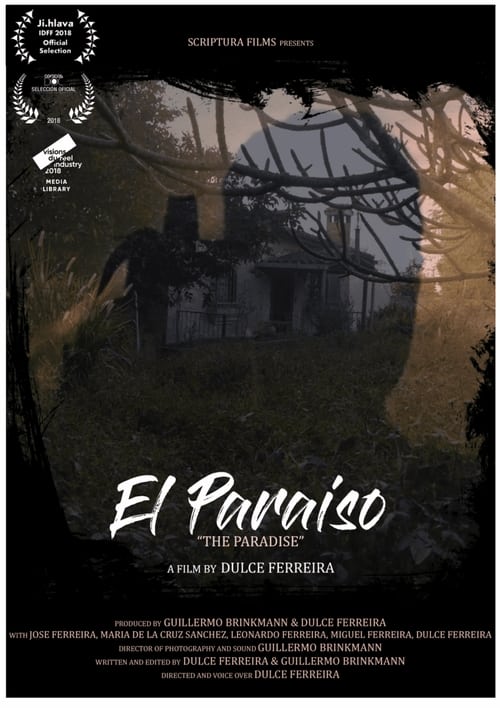
The film consists of video tapes made by the filmmaker’s father documenting daily scenes of family life, family celebrations, and holidays over the course of fifteen years. The tapes are a mixture of the personal and the political – the father was politically engaged in the revolutionary movement that brought Hugo Chávez to power. The family’s life becomes a backdrop for political and economic developments in Venezuela and their impact on the lives of ordinary citizens.
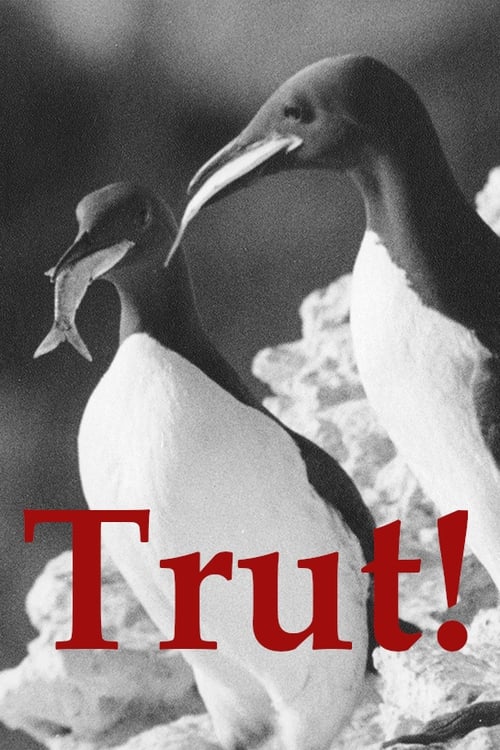
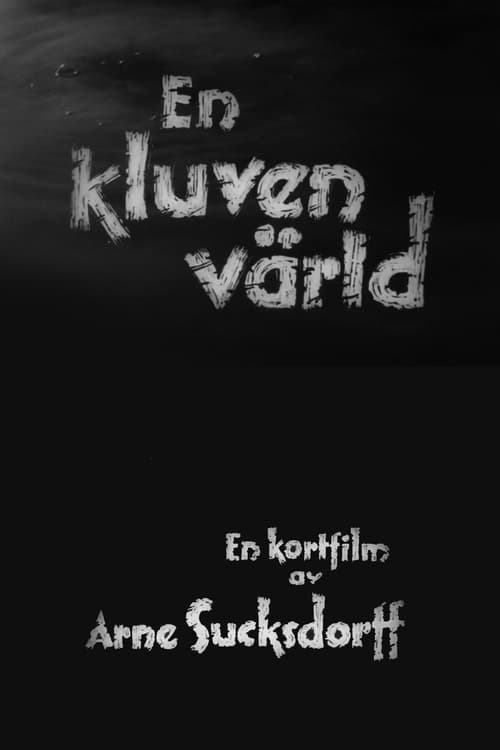
Arne Sucksdorff’s short documentary observes gulls raiding nests and stealing eggs with ruthless persistence. Though presented as pure nature study, the film was widely read as an allegory of Nazism—a symbolic parable of predation and violence during wartime. Sucksdorff himself denied such intent, but remarked that “a film that is not open to interpretation is a dead film.”