
Loading titles…
No cast information available.
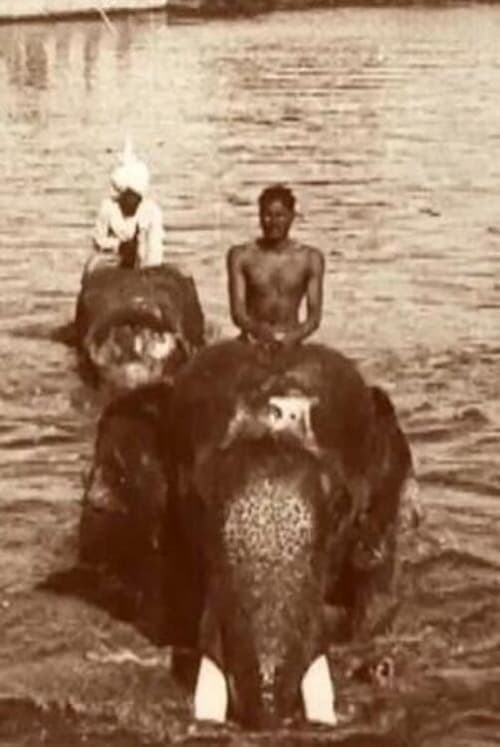

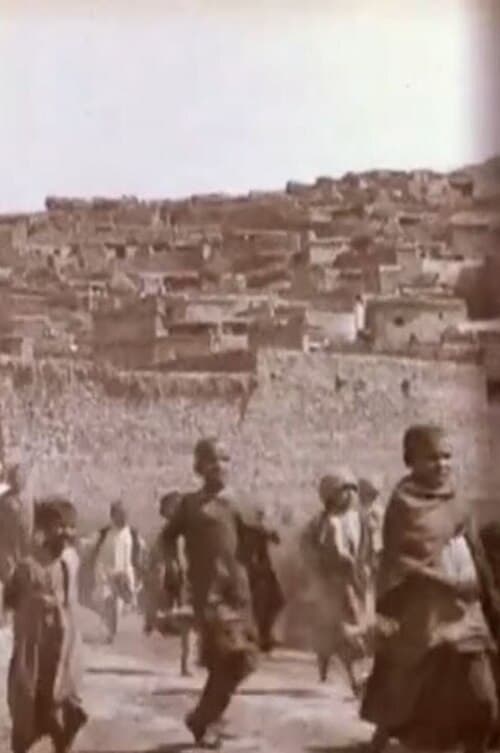

Today, few people's clothes attract as much attention as the royal family, but this is not a modern-day paparazzi-inspired obsession. Historian Dr. Lucy Worsley, Chief Curator at Historic Royal Palaces, reveals that it has always been this way. Exploring the royal wardrobes of our kings and queens over the last four hundred years, Lucy shows this isn't just a public fascination, but an important and powerful message from the monarchs. From Elizabeth I to the present Queen Elizabeth II, Lucy explains how the royal wardrobe's significance goes far beyond the cut and color of the clothing. Royal fashion is, and has always been, regarded as a very personal statement to reflect their power over the reign. Most kings and queens have carefully choreographed every aspect of their wardrobe; for those who have not, there have sometimes been calamitous consequences. As much today as in the past, royal fashion is as much about politics as it is about elegant attire.
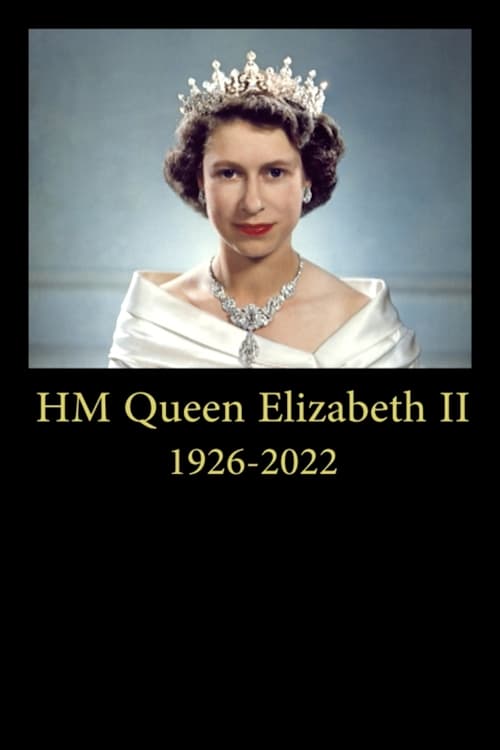
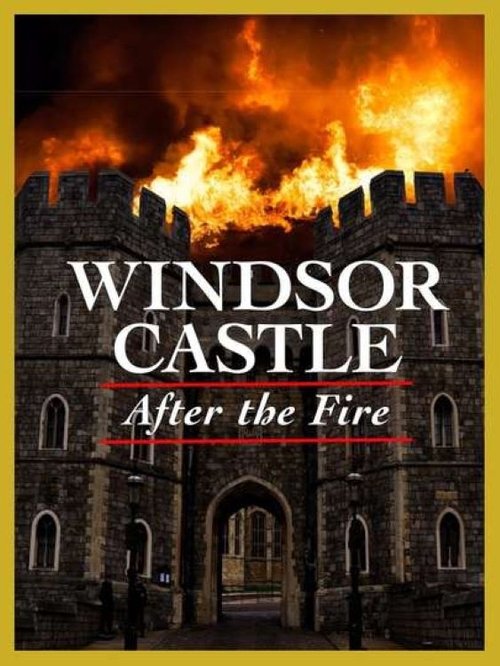
Windsor Castle is a wonderful living example of the power and tradition of the Royal Family. For nearly 1,000 years it has stood as a symbol of the monarchy's strength, it is the largest working castle in the world and is still a cared for home of the Royal Family. But on one fateful day all that was threatened. On the morning of November 20th, 1992, fire broke out in the castle.It was a threat that nearly destroyed a building that centuries of warfare and change had not even dented. The blaze raced through state apartments, the Royal Chapel, St George's Hall, bedrooms and corridors, wiping out almost everything in its path. This is the story of that fire, as told by those who witnessed it and by those for whom Windsor Castle is a home. But it is also the amazing story of the astonishing effort that was made to restore the castle to its former glory and prove that there was life for Windsor Castle after the fire.
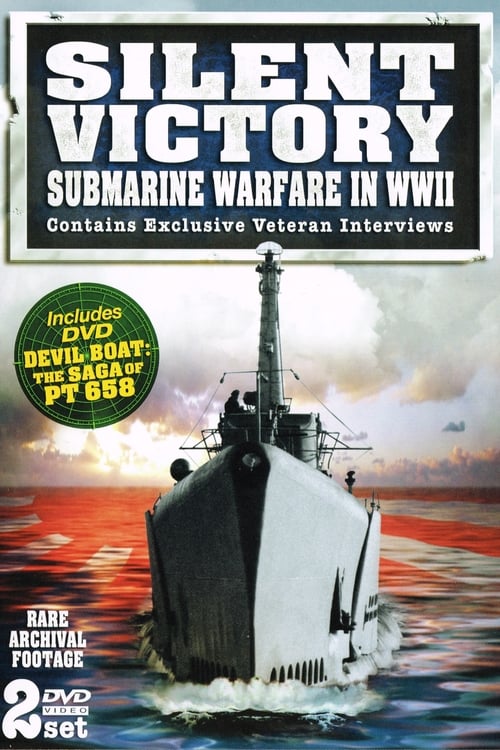
This World War II documentary rests on an unusual thesis: it argues that, in the wake of Pearl Harbor, the actions precipitated by the U.S.A.F. that truly helped turn the tide were perpetrated not by the widely-ballyhooed U.S.N. aviators or aircraft carriers, but by the American submarines - silent warriors beneath the deceptively placid ocean surface. The subs, after all, were responsible for gravely wounding Japan's industry, all but destroying the Japanese merchant fleet, and therefore preventing reinforcement of Japanese military garrisons. In relaying this story, the program draws on a series of interviews with military veterans, and endless archival footage of naval battles that chronologically tells the gripping story of the Pacific Front of the war.