
David Attenborough
Narrator
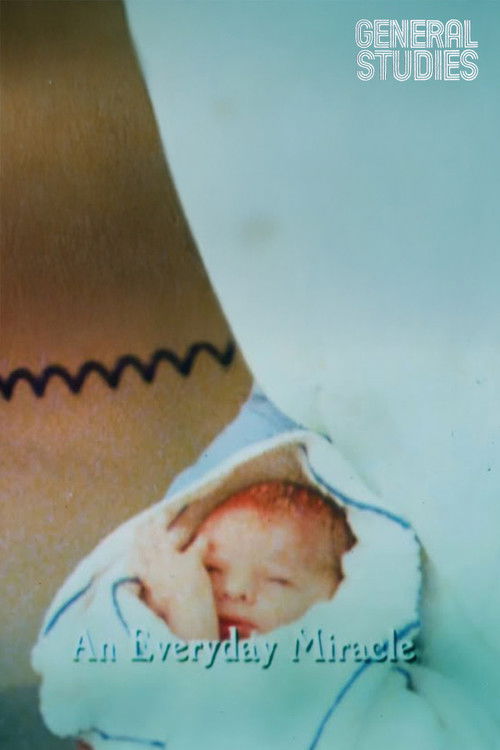
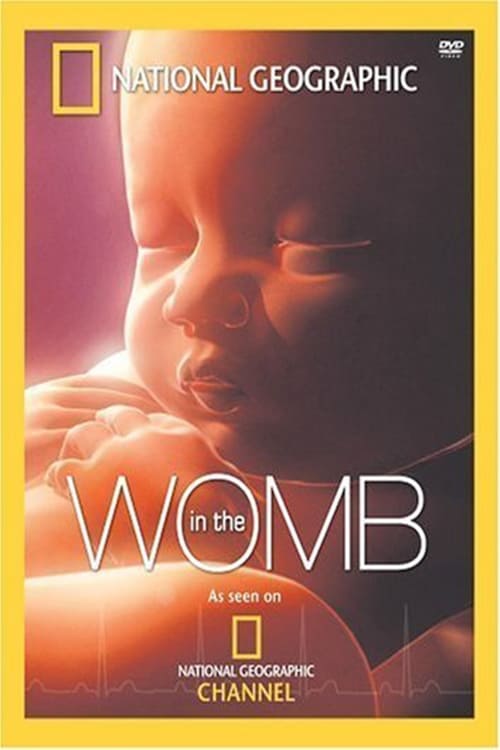
In this BBC documentary directed by Andrew Neal and narrated by David Attenborough, modern medical imaging allows scientists and doctors to observe human development in the womb as never before. Following the stages of pregnancy from conception to birth, the film reveals the…
Narrator

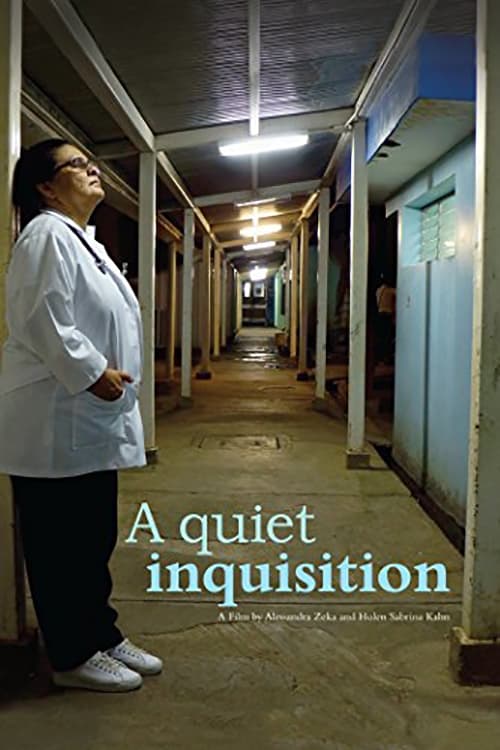
At a public hospital in Nicaragua, Ob/Gyn Dr. Carla Cerrato must choose between following a law that bans all abortions and endangers her patients or taking a risk and providing the care that she knows can save a woman's life. In 2007, Dr. Cerrato’s daily routine took a detour. The newly elected government of Daniel Ortega, a former Marxist revolutionary who converted to Catholicism to win votes, overturned a 130-year-old law protecting therapeutic abortion. The new law entirely prohibits abortion, even in cases of rape, incest, or when a woman’s life is at stake. As Carla and her colleagues navigate this dangerous dilemma, the impact of this law emerges—illuminating the tangible reality of prohibition against the backdrop of a political, religious, and historically complex national identity. The emotional core of the story—the experiences and situations of the young women and girls who are seeking care—illustrate the ethical implications of one doctor's response.

Edeltraut Hertel - a midwife caught between two worlds. She has been working as a midwife in a small village near Chemnitz for almost 20 years, supporting expectant mothers before, during and after the birth of their offspring. However, working as a midwife brings with it social problems such as a decline in birth rates and migration from the provinces. Competition for babies between birthing centers has become fierce, particularly in financial terms. Obstetrics in Tanzania, Africa, Edeltraud's second place of work, is completely different. Here, the midwife not only delivers babies, she also trains successors, carries out educational and development work and struggles with the country's cultural and social problems.

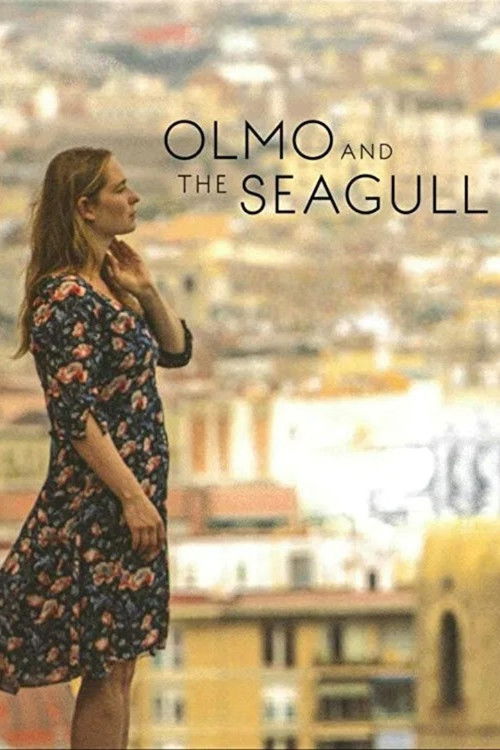
'Olmo and the Seagull' is a poetic and existential dive into an actress's mind during the nine months of her pregnancy as she must confront her most fiery inner demons while trying to rewrite a new philosophy of life, identity and love. Underlying this hybrid film is mounting tension over what is real and what is enacted when one is performing one's own life.
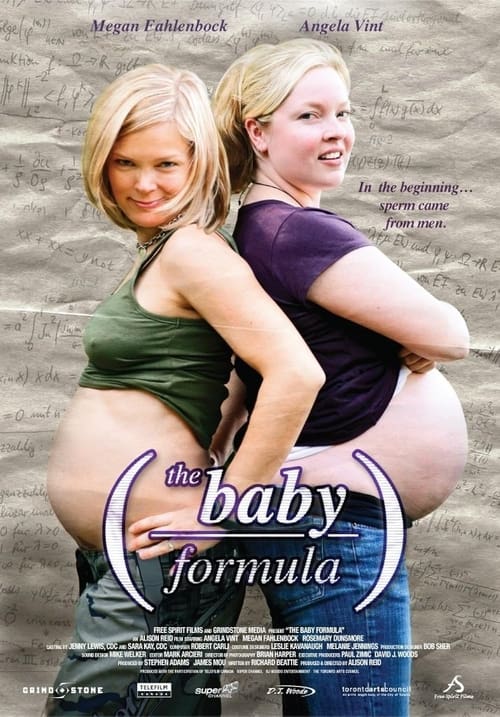
Two adventurous women in love are desperate to have their own biological child. They take a chance on an experimental scientific process and make sperm from their own stem cells. Pregnant with humor and unexpected twists, their journey ultimately confirms that all life is a gift and all families are crazy.
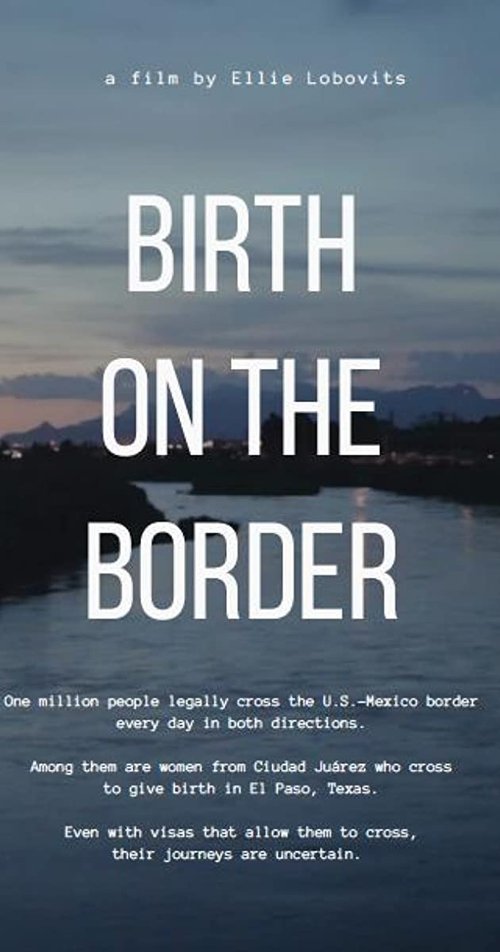
One million people legally cross the U.S.-Mexico border every day in both directions. Among them are women from Ciudad Juárez who cross to give birth in El Paso, Texas. Even with visas that allow them to cross, their journeys are uncertain. Gaby and Luisa, two women from Ciudad Juárez, cross legally into El Paso, Texas, in order to give birth. Two Chicana midwives in El Paso, Lina and Sandra, support the women who cross. After living through the extreme violence that engulfed Ciudad Juárez from 2008-2012 and with the looming threat of obstetrical violence in Mexican hospitals, Gaby and Luisa choose to cross, seeking a safer future for their children and the opportunity for natural childbirth with midwives. They risk losing their visas, getting turned back, and harassment at the hands of U.S. Border Patrol. Against the backdrop of oppressive U.S. border policy, these women's stories of risk and resilience reveal the complexities of life on the U.S.-Mexico border.