
Loading titles…
No cast information available.
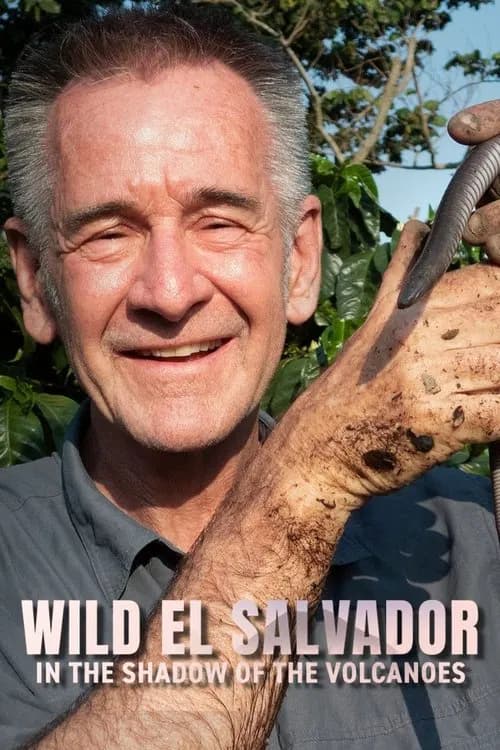
Join affable presenter Nigel Marven as he explores El Salvador, the volatile land of volcanoes with a colorful culture and natural history. Follow along as he climbs an active volcano near the capital San Salvador, comes face-to-face with a crocodile, cuddles a caecilian, fights fire with fire, dives deep into a volcanic lake, and discovers the Pompeii of Central America.

The carrot caterpillar hides among and feeds on the leafy foliage in carrot fields. A man demonstrates how difficult it is to detect and remove them from the carrot plants. They propel themselves with their six feet and twelve suction cups. To ward off enemies, they display two horns which secrete a malodorous liquid. Before the chrysalis stage of their development, they attach themselves to a surface and two days later burst from their shell. After spending the winter as a chrysalis, they emerge as swallowtail butterflies. Once they have bathed their wings in dew and dried off, they are ready to fly. (Library of Congress)

The Australian pelican is built for long distance travel. One of the largest pelicans in the pelican family, with a light skeleton and a wingspan of over eight feet, it can be airborne all day and deep into the night, riding far and high on rising thermals. When rare weather systems bring heavy rains, huge numbers of Australian pelicans abandon the sea and coastal waters and embark on a mass pilgrimage to a place a thousand miles inland. It’s the last place you would look for one of their kind, the Australian Outback, one of the driest, hottest places on the planet.


