Loading titles…
Documentary
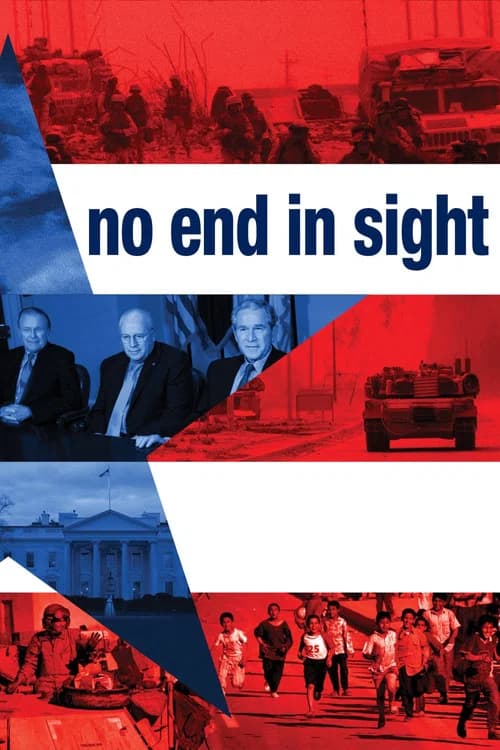
Chronological look at the fiasco in Iraq, especially decisions made in the spring of 2003 - and the backgrounds of those making decisions - immediately following the overthrow of Saddam: no occupation plan, an inadequate team to run the country, insufficient troops to keep…

Narrator (voice)
Gerald Burke
Ali Fadhil
Robert Hutchings
Self


Investigating the infamous Abu Ghraib scandal, Errol Morris interviews American guards and Iraqi prisoners who were at the military jail before images of prisoner torture emerged in 2004. One female guard, who posed alongside fallen Iraqis in notorious images, tells Morris that her crimes were inspired by her love for another soldier, and another explains why she took photographs of her fellow troops. In the process, Morris suggests that the scandal resulted from systemic flaws in the military.
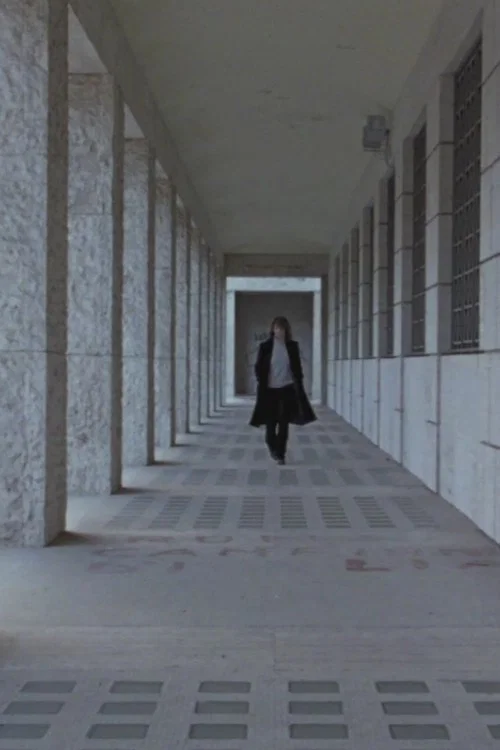
E42 is a cinematic exploration of the area in Rome knows as the EUR, a modernist landscape that was originally designated by Mussolini as the the site of the World Fair of 1942 and as a celebration of the 20 year anniversary of Fascism. Originally designed as a monumental space for public performance and collective acts of solidarity to the Fascist regime, this landscape was in fact never inaugurated. After the war, the 420 acre area was recuperated and today projects a timeless aura of an unfinished and temporary, empty and silent, monumental and imposing as well as an ephemeral landscape.
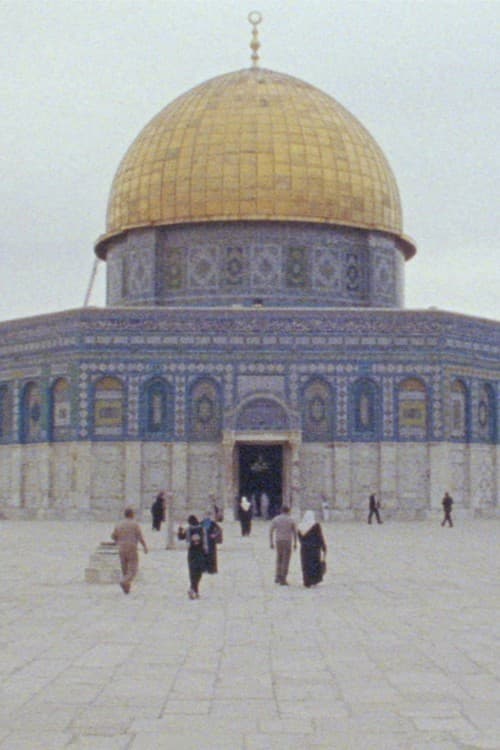
ḤARAM is an essay film portraying the urgent contemporary situation at the Haram Al Sharif/ Noble Sanctuary in the Old City of Jerusalem reflecting on the growing Temple Mount Faithful movement whose goal is to build the Jewish Third Temple on this holy landscape and in turn to assert Jewish sovereignty over this holy Muslim site.
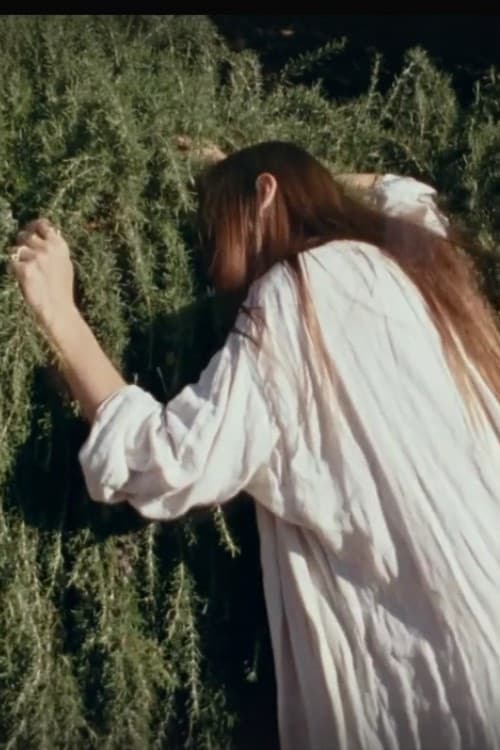
VIVA ÁGUA is a meditation on the philosophical work entitled ÁGUA VIVA written by Clarice Lispector in 1973. The film reflects on Lispector’s interior experimental monologue on the “instant-now” of time, the discomforts of language which are “beyond thought” and the harmonious dissonant reminders and remainders of that “sometime what is seen is ineffable.”

Anna, Pina, Teresa reinterprets the pivotal scene in Rossellini’s “Roma Città Aperta” where Anna Magnani, who plays the character Pina, (based on the story of Teresa Gullace,) is murdered on the streets of Rome by the Fascist police. This scene is characterized by three movements performed by Magnani — resistance, running and falling. Filmed in the Sala Scherma at Foro Italico in Rome (Mussolini’s fencing studio designed by Moretti) Anna, Pina, Teresa examines the contemporary and historical dynamics between an urban Fascist space and movements of resistance.


As filmmaker Maria Carolina Telles comes to terms with the death of her father, a man who regretted never making it to the frontlines of World War II, she focuses her lens on the life of another man who had his own unique experience as a civilian in the midst of combat: award-winning war photographer André Liohn.

The eight-year Iran-Iraq War was one of the most brutal conflicts to devastate the region in the 20th century. Zahed was 13 years old when he enrolled in the Iranian army. Najah was 18 when he was conscripted into the Iraqi army, and he fought against Zahed in the Battle of Khorramshahr. Fast forward 25 years, a chance encounter in Vancouver between these two former enemies turns into a deep and mutually supportive friendship. Expanded from the 2015 short film by the same name.