Loading titles…
Cast
Cast
Cast
Cast
Cast
Cast
Cast
Cast

Cast
Cast

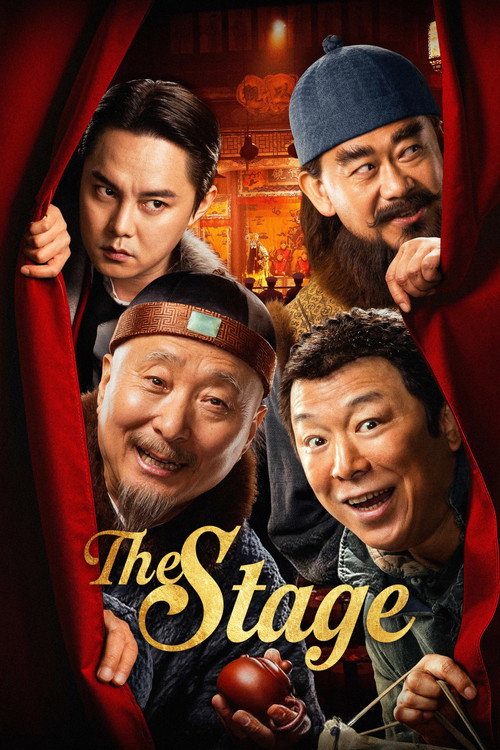
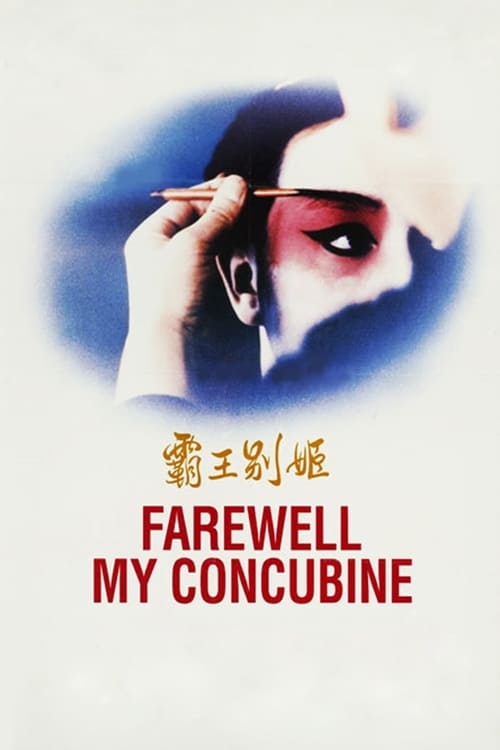
During the Republican era, wars and conflicts were frequent. On stage, the "Overlord" sings with resounding passion, while below, the absurd spectacle of life unfolds. They must both secure the opera troupe's livelihood and appease the audience in their seats. Once the curtain rises, how should this play be performed?
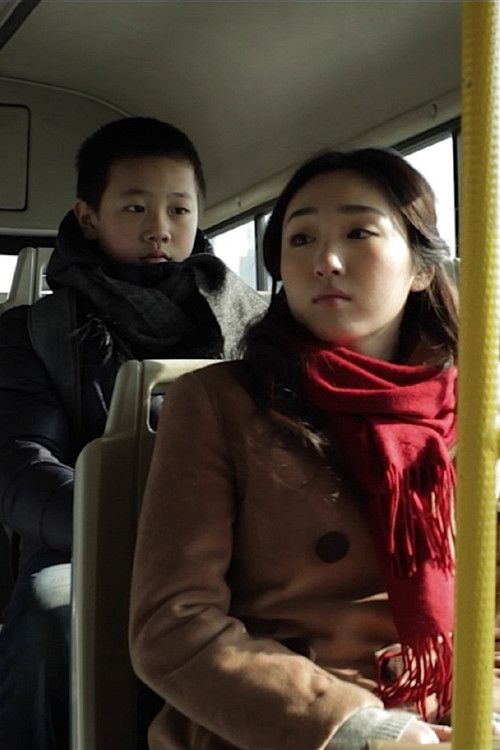
Shenyang, in deep winter snow. Two promising 12-year-old Beijing opera students, Dong (‘winter’ in Chinese) and Nuannuan (literally meaning ‘warmth’) are practising their stage moves diligently and fervently in order to secure their place in an upcoming performance in the capital. Nuannuan has a crush on Dong but Dong is lost in a daze – of a muted longing for his dead mother and a nameless affection for the girl’s young aunt – which unfolds in the juxtaposing scenes of a lone balloon drifting away and a colourful kite soaring into the sky. The train is soon to leave for Beijing, a fond farewell has been bided. Dong has to make his journey, with or without Nuannuan.
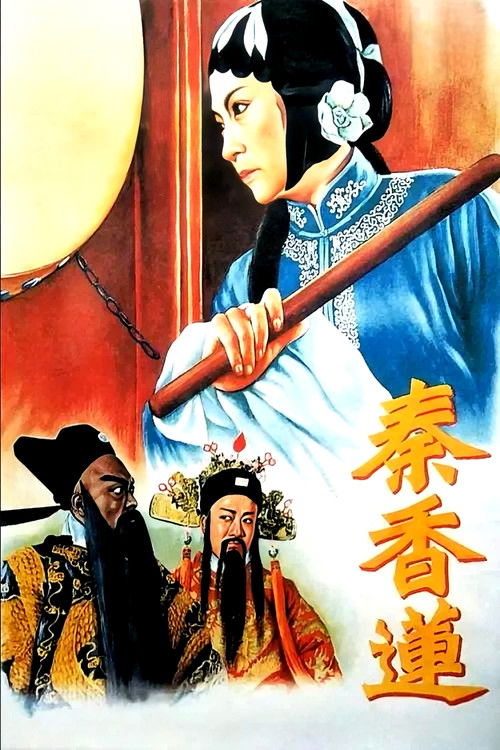
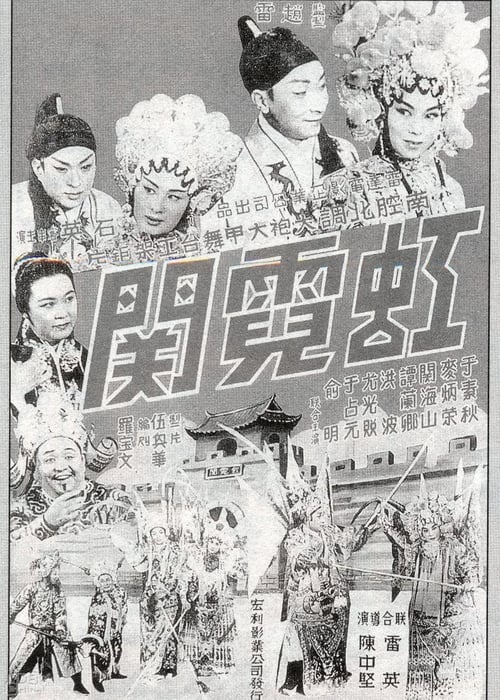
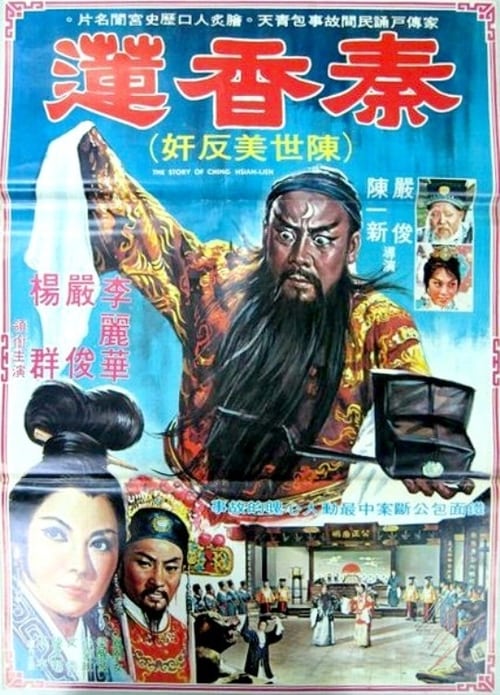
Qing (i.e. Qin) Xianglian was the wife of a man named Chen Shimei, who won the first title of national examination and awarded as husband of the emperor's daughter. Then Qing (i.e. Qin) sues Chen as a murderer who plans to kill his wife and son. In spite of the royal power, gownsman Bao Zhen settles the lawsuit and sentences Chen to serve his head.


A wealthy man's son, who has a sinecure as a hotel owner, poses as a bellhop to win the affections of a woman guest with whom he has fallen madly in love, but who seeks a common man who is earning his own way. This first Cantonese-language talkie was based on a successful 1930 stage musical written by and starring Xue JueXian (Sit KokSin), the plot of which was in turn inspired by a 1929 silent Hollywood romance called "The Grand Duchess And The Waiter" which Xue admired. The film was produced not in Shanghai, by the Tianyi studio, headed by the eldest of the Shaw Brothers, Shao Zuiweng (RunJe Shaw), and was so successful in the Cantonese-speaking parts of China that Shaw moved the Tianyi company to British-administered, Cantonese-speaking Hong Kong to make more Cantonese films in the face of the right-wing Chinese Nationalist government's ban on Cantonese language in favor of Mandarin. A sequel to Baijin Long was made in 1937, and the film itself was remade in 1947.

When facing a path with no future or precedent success, will we ever choose to stay? Cheuk Cheung’s My Way explores the Cantonese Opera tradition of male Dan performers, men who play female roles, against the backdrop of a Hong Kong society increasingly putting less value on art. Although female performers have long been part of the mainstream of Cantonese Opera, the film follows the stories of two young men who are still fascinated by the art of the male Dan, striving to find their own way to carry on the practice. A moving and searching look at the struggle for identity, My Way is a colourful, musical and moving film which offers a unique and highly personal look at perseverance in the face of a changing society.
This is the first 16mm Cantonese film in full colour, shot on 1940s state-of-the-art Technicolor film stock. Opera star Man-ha (Leung Bik-yuk) enjoys tremendous popularity during her performances in San Francisco, but drowns herself in the vices and temptations of the big city. Increasingly, she fails to show up for performances, almost causing the theatre to go bankrupt. When she sees her lover for the scoundrel that he is, she also sees the errors of her own ways and saves the theatre, restoring it to glory. Joseph Sunn Jue established the Grandview Film Company in Hong Kong during the 1930s and continued making films in the USA during wartime by collaborating with Chinese opera performers in exile there. Wong Hok-sing, an opera actor himself, directed, wrote and starred in this film. He staged a spectacular play-within-a-play at the end, not only to promote the art of Cantonese opera but also to boost solidarity among overseas Chinese through difficult times.