Loading titles…
Documentary
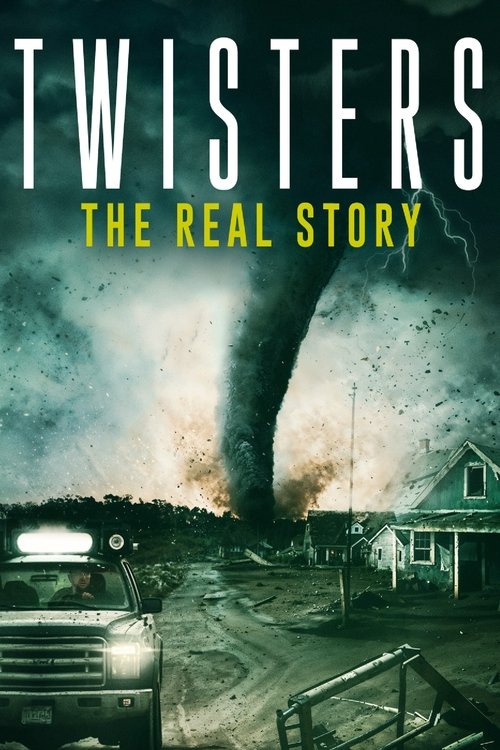
In 1996, Universal Pictures released 'Twister', a film about tornado researchers. This documentary revisits the topic, exploring the motivations of those risking their lives to study dangerous weather. With never-before-seen footage and interviews, it delves into the lives of…
No cast information available.
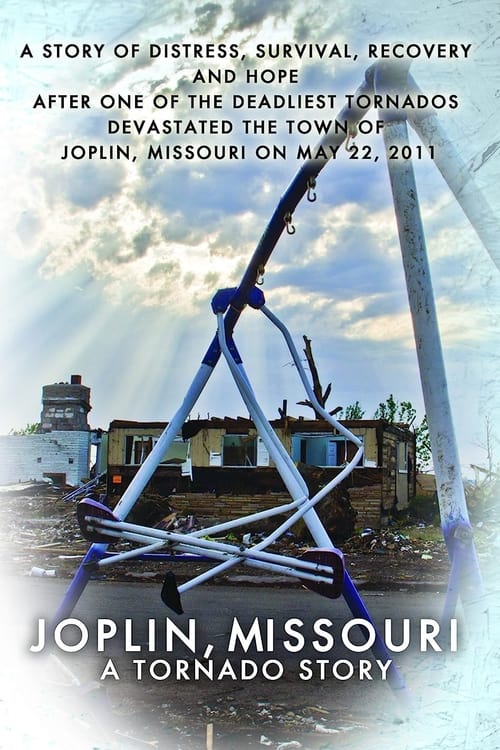
Weaving together dozens of professional and amateur archival sources, along with dramatic interviews with the people behind the cameras, Witness: Joplin Tornado reconstructs the deadliest tornado in modern times, through the eyes of those who lived through it. A group of strangers huddle together in a convenience store cooler, shrieking in terror as the tornado tears apart everything around them. A husband-and-wife stormchasing team find themselves caught in the teeth of the storm, then pressed into service when it finally passes. A young mother sobs as she surveys her daughter’s destroyed bedroom. Yet all the while they film, using their cameras to record both the harrowing experience of the storm itself and the shock of what confronted them after — homes destroyed, neighborhoods flattened, a city devastated. Witness: Joplin Tornado tells the story of that day and its aftermath entirely through the videos and voices of the survivors.
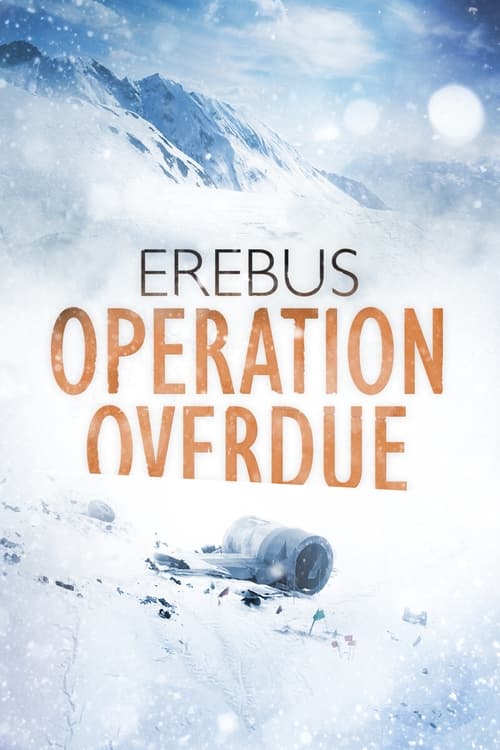
On 28 November 1979, an Air New Zealand jet with 257 passengers went missing during a sightseeing tour over Antarctica. Within hours 11 ordinary police officers were called to duty to face the formidable Mount Erebus. As the police recovered the victims, an investigation team tried to uncover the mystery of how a jet could fly into a mountain in broad daylight. Did the airline have a secret it wanted to bury? This film tells the story of four New Zealand police officers who went to Antarctica as part of the police operation to recover the victims of the crash. Set in the beautiful yet hostile environment of Antarctica, this is the emotional and compelling true story of an extraordinary police operation.
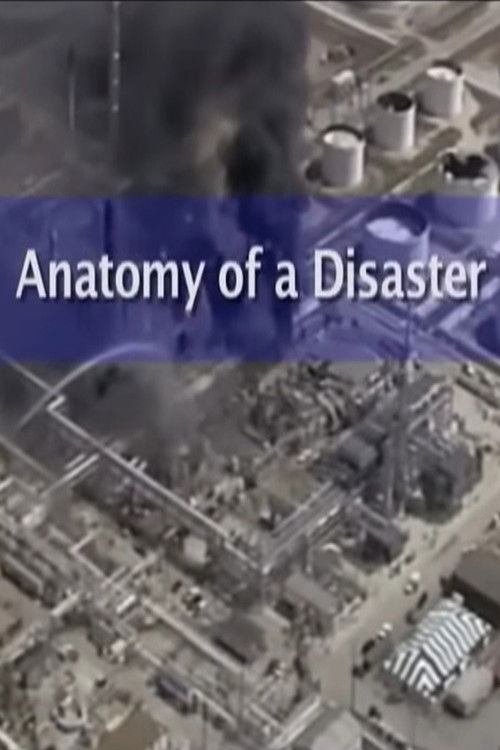
This U.S. Chemical Safety Board (CSB) video uses expert testimony and computer-animated reenactments to describe and discuss its detailed investigation into the March 23 2005 explosion of the ISOM (isomerization) unit at the BP (British Petroleum) refinery at Texas City, Texas. The explosion killed 15 workers, injured 180 others, and cost BP billions of dollars.
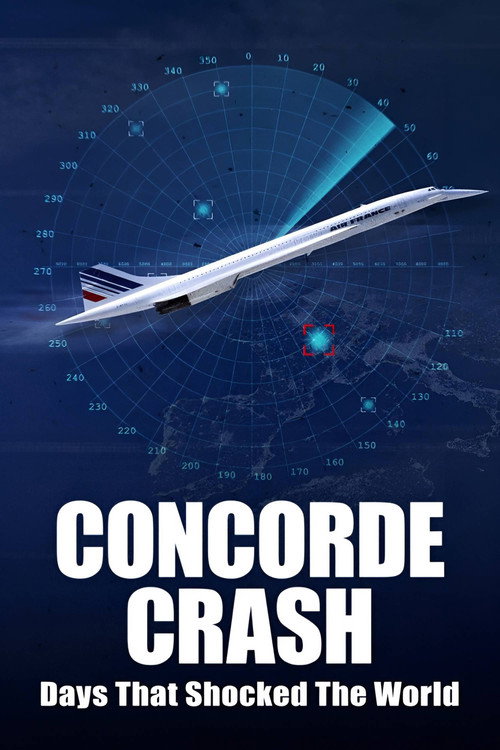
Concorde was an icon of the skies, but on 25 July 2000, Air France Flight 4590 left Paris for New York and caught fire during take-off before crashing to the ground just over a minute later, killing everyone on board. The tragedy brought an end to the dream of supersonic passenger flight. But what caused the disaster? Investigators, survivors’ loved ones and those who examined the wreckage recall the tragedy and describe how the evidence led to a shockingly simple conclusion about what went wrong.
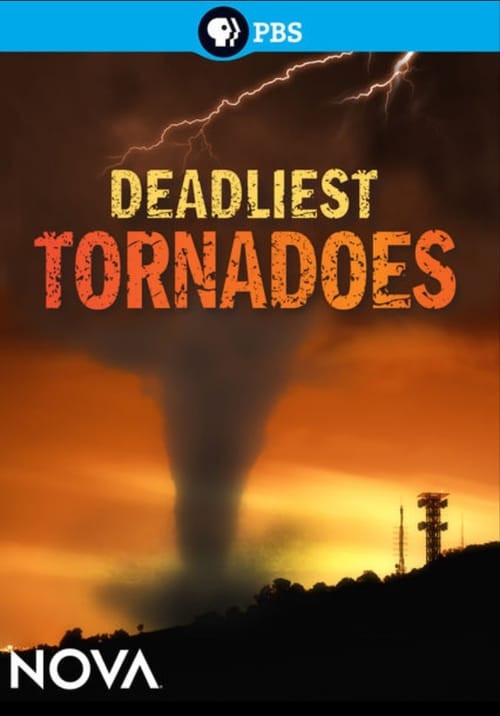
Track monsoons, hurricanes, blizzards, and tornadoes. Take a journey around the planet to experience our most extreme storms and to witness the dramatic--and often perilous--efforts of scientists in the pursuit of understanding weather.Join meteorologists in the cockpit of a P-3 weather plane as they penetrate the eye of a hurricane; and in the tense, decisive moments on the road as they focus their radar on an approaching tornado, traveling to the heart of severe storms to learn what makes weather systems tick. Experience the bumpy ride into the sudden and spectacular calm of a hurricane’s eye, or the commando-like raid to the very brink of a killer tornado, and experience one of the elemental joys of doing science: that of confronting nature head-on to divine its awesome secrets.
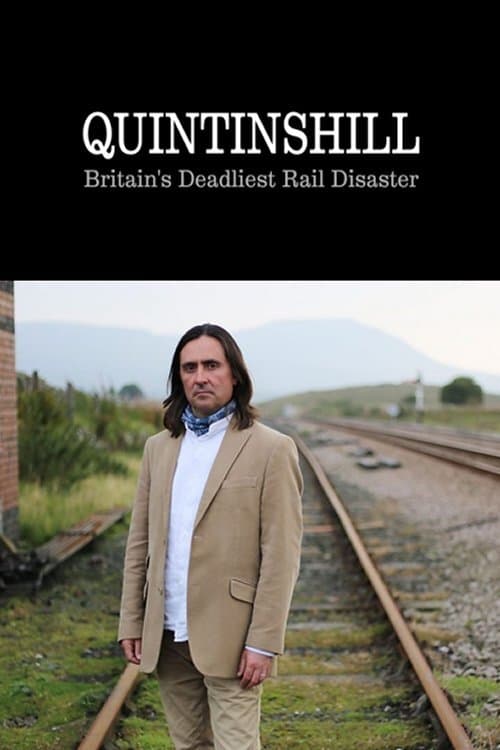
Neil Oliver describes the worst ever railway accident in the UK, which happened a hundred years ago on 22 May 1915, in which three trains collided at Quintinshill near Gretna Green. One of the trains was a troop train taking soldiers to fight in World War I at the Battle of Gallipoli: many of the dead were in this train which caught fire due to escaped gas from the archaic gas lighting in the carriages. The cause of the crash was attributed to a catastrophic signalman's error, but Neil examines whether there were other contributory factors and whether there was a cover-up to prevent investigation of them, making convenient scapegoats of the signalmen.