
Loading titles…
Almmái
Sámi almmái
Sámi nisson

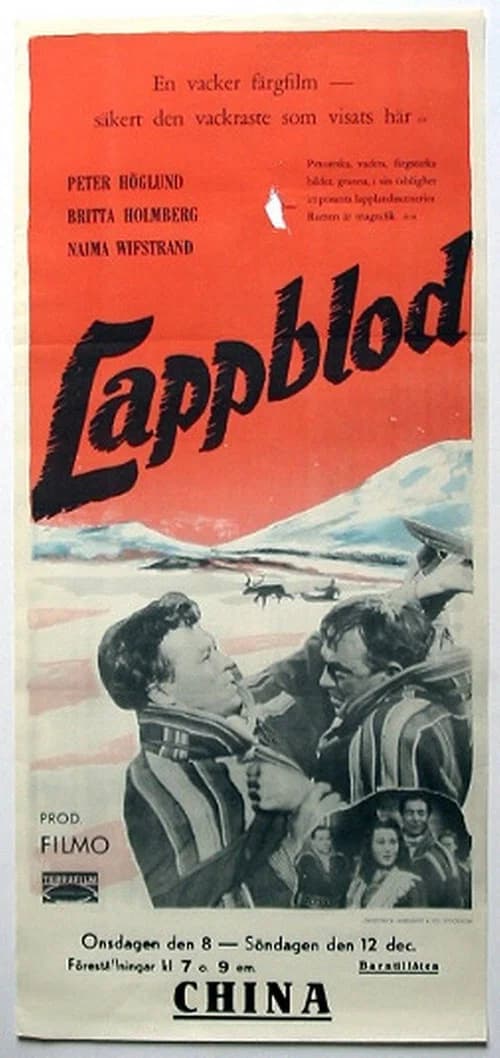
Lapland, Sweden. The Sami Arvi wants to marry young Aino but her mother will not give her permission as long as Arvi does not have a herd of 400 reindeer. The only one who has reindeer to sell is the rich Oula, but he wants to marry Aino as well. The only way for Arvi to get the animals is buying them from Norway - but this is highly illegal.

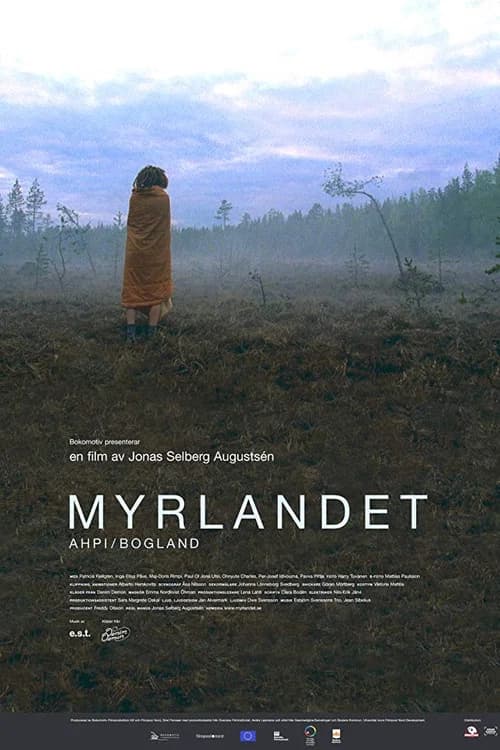
Why are gooseberries so much more valuable than deer trees and why did the Sami men lay naked on the marsh in the past? How do you respond to a mock execution and what is actually panic attack? Ella and Moa are two girls with more questions than answers and during a summer night they approach a little cautiously of their Sami origin. —Jonas Selberg Augustsén

Dr. Crumb, a scientist who never liked to leave home, invented a way to see the world without leaving your lab. Using a stone extraterrestrial Crumb, his assistant and his two nephews Zoox: the beautiful Amanda and irreverent Guto, will make his house float through the world in search of adventures. The problem is that this stone has other special powers, can hypnotize people and open portals to other dimensions. To fall into the hands of a greedy French archaeologist, the stone eventually releasing four monsters creatures and muddled fleeing to different corners of the world. Now these monsters need to be captured before they destroy the main monuments of the world and the stone must be recovered before the archaeologist hypnotize them all.


About being young and Sámi, focusing on the topics, pride, love and conflict. Isabel moves from her mother in Stockholm to her father in Jokkmokk. Amoc rap in Aanaarsämikielâ, Inari Sámi, a language used among 400 people. Alette doesn't feel like a Sámi. Thomas is a drummer, snowboards and dream of being an actor. The skier Tonje always fall in love with a Sámi. Why? Jon is adopted from Colombia and joiks a lot. Thomas and Petra plan for their future. Ritva loves horseback riding. Amanda likes theatre and politics. Vocalist Sandra wonders how much Sámi she is. Johan is brought up in a religious home where music is prohibited. Aslak love scooters. Marit was bullied in school because she is a Sámi.

The Sámi people (also spelled Sami or Saami) are an indigenous Finno-Ugric people inhabiting Sápmi, which today encompasses large northern parts of Norway and Sweden, northern parts of Finland, and the Kola Peninsula within the Murmansk Oblast of Russia. A single daily newspaper is published in Northern Sámi, Ávvir. There are short daily news bulletins in Northern Sámi on national TV in Norway, Sweden and Finland. There is a Sámi theatre, Beaivvas, in Kautokeino on the Norwegian side, as well as in Kiruna on the Swedish side. The largest Sami Publishing house is Davvi Girji. In this program "Topic: Sámi" filmmaker Nils Gaup presents his latest production, "The Kautokeino Rebellion" (2008), author Ann-Helen Laestadius talks about to seek ones roots, and Isabel Pavval share how it is being a young Sámi and youth culture.

The everyday life of the Karesuando Sámi at the Sarek Mountains, near their camp, the sita. Traditionally, the Sámi have pursued a variety of livelihoods, including coastal fishing, fur trapping, and sheep herding. Their best-known means of livelihood is semi-nomadic reindeer herding. The genetic makeup of Sámi people has been extensively studied for as long as such research has been in existence. Ethnographic photography of the Sámi began with the invention of the camera in the 19th century. This continued on into the 1920s and 1930s, when Sámi , against their will, were photographed naked and anatomically measured by scientists,.