Loading titles…
Jesús Martín del Campo

Paloma Sáiz Tejero
Paco Ignacio Taibo II

Lourdes Rodríguez Rosas

José Leobardo Reveles Morado
Luis Ángel García

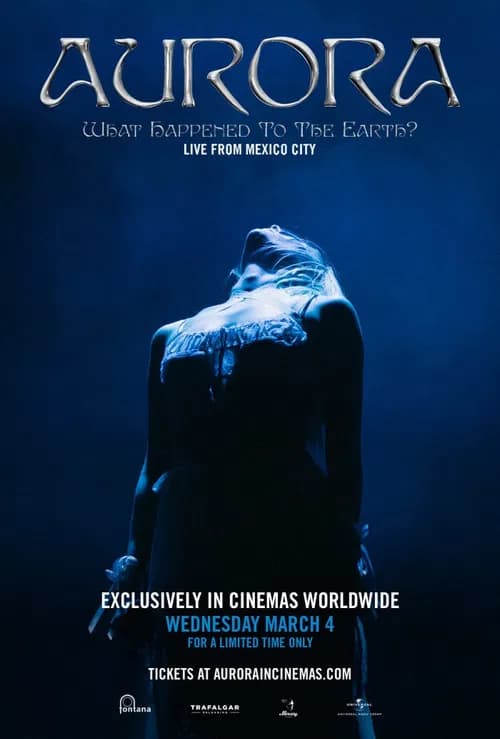
Norwegian alt-pop artist AURORA plays her biggest ever headline performance at Mexico City’s Palacio de los Deportes as part of her What Happened to the Earth? Tour. Filmed live on Dia De Los Muertos (Day of the Dead), the arena is transformed into a space of spellbinding sound and light, and filled with fans in festive dress. AURORA’s ethereal voice is ever-captivating as she sings haunting ballads including 'Dreams' and 'Exist for Love' as well as fan-favourites 'Runaway', 'The Seed' and 'Churchyard'. Known for blending electronic pop with folk and vivid storytelling, AURORA’s performances are always immersive and emotional, and this concert – celebrating nature and the human experience – solidifies her as a beacon of originality and inspiration.

Luis Barragán (1902- 1988) is considered to be one of the greatest contemporary architects and one of the principal figures of twentieth-century international architecture. Since 1980, when he was granted the Pritzker Prize - the "Nobel Prize" of architecture - the poetry of his architectural language garnered vast international attention. This genius of architecture and design has forged an original style that is unmistakably Mexican and yet universal at the same time.


Mexico, March 2015. Carmen Aristegui, incorruptible journalist, has been fired from the radio station where she has worked for years. Supported by more than 18 million listeners, Carmen continues her fight. Her goal: raising awareness and fighting against misinformation. The film tells the story of this quest: difficult and dangerous, but essential to the health of democracy. A story in which resistance becomes a form of survival.


The bleached palette and home-movie aesthetics of Super 8 footage provide the image track for this testimonial about an illegal abortion in Mexico City in the 1960s, delivered in voiceover by the filmmaker’s mother. In its account of this intimate and disorienting memory, Lesser Choices summons a time of profound uncertainty—a moment from an era without rights—and offers a warning to the present.