
Loading titles…
Documentary / TV Movie
Marzena Sowa is a quintessential contemporary European: independent, aware of how the world works—or should work—and single. After her mother’s death, she is consumed by longing and sets off for her distant homeland, a Polish village where her beloved aunt Niuszka—an embodiment…


Self
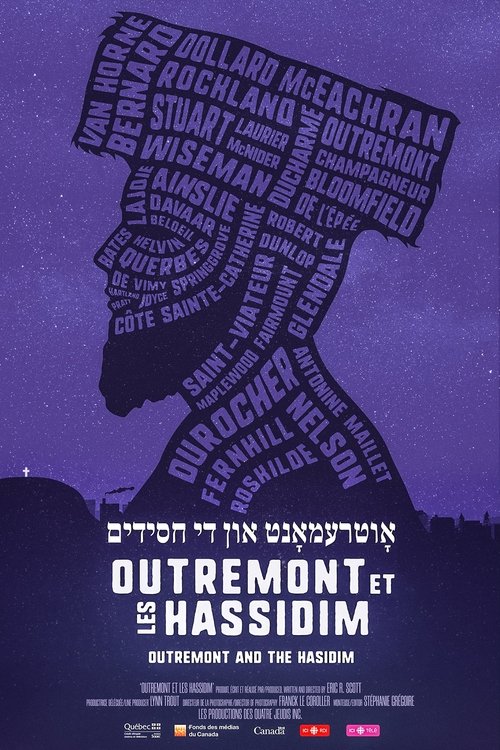
OUTREMONT AND THE HASIDIM reveals the challenges of accommodating the “Hasidim” – or ultra-Orthodox Jews – in the affluent Montréal borough of Outremont.Some 7,000 Hasidim live in or near this choice neighbourhood of Québec’s Francophone elite. After settling there more than 70 years ago, the Hasidim are a rapidly growing minority group which today represents about 23% of Outremont’s population.Thanks to unprecedented access to this self-isolated community, the film lifts the veil on its practices, traditions, music and life as they had never before been seen on Canadian television, without ignoring the community’s expectations, fears. and hopes.
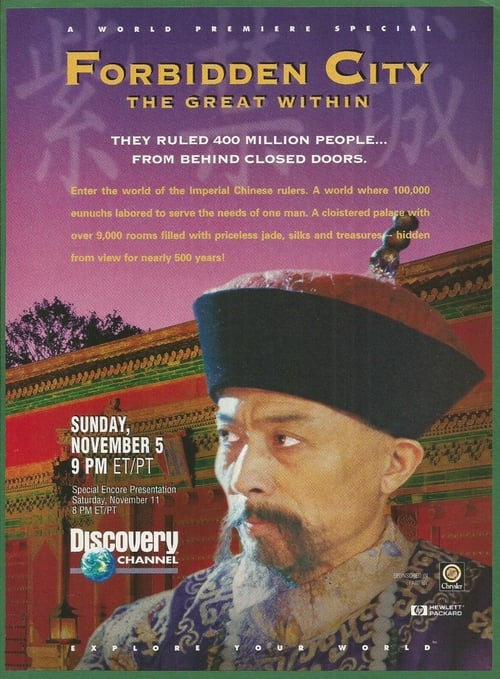
Amidst the grand walls of the Forbidden City, the film takes us on a deep journey through the ceremonial life of the Chinese emperor, unveiling the secrets and intrigues of concubines, eunuchs, and palace maids. As the West begins to influence China in the late 19th century, the dynamics within the city shift dramatically. The film highlights the preservation and restoration of invaluable treasures and paintings, culminating in the creation of the Palace Museum. With insights from renowned China scholar, Jonathan Spence, this is an intimate exploration of the rich cultural and historical tapestry that makes up the heart of ancient China.
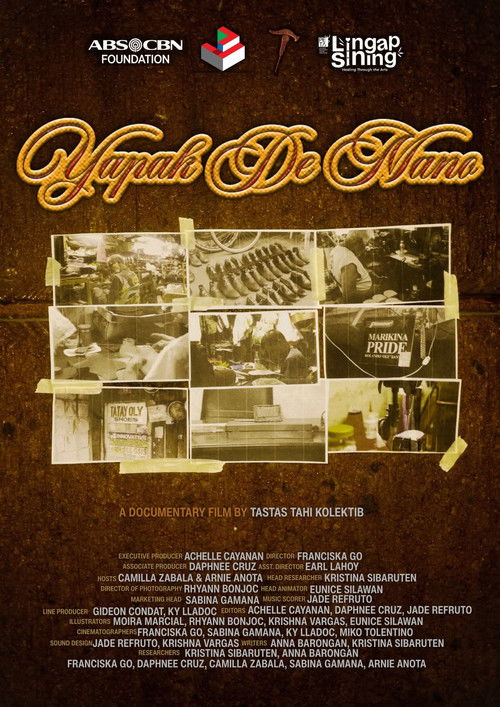
In the narrow streets of Marikina City, where the sound of hammers once echoed endlessly, Soles of Marikina unfolds as a cinematic portrait of craft, struggle, and survival. The film follows aging shoemakers and young apprentices as they work by hand—cutting leather, shaping soles, stitching stories into every pair—while fighting to keep an industry alive in a rapidly changing world.
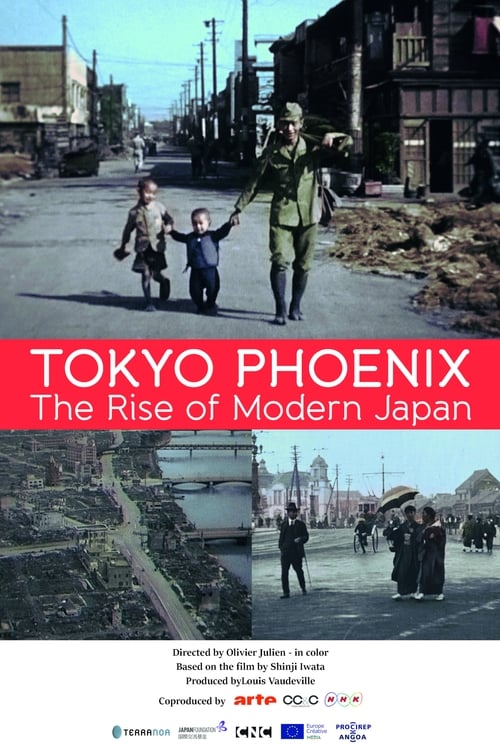
In 150 years, twice marked by total destruction —a terrible earthquake in 1923 and incendiary bombings in 1945— followed by a spectacular rebirth, Tokyo, the old city of Edo, has become the largest and most futuristic capital in the world in a transformation process fueled by the exceptional resilience of its inhabitants, and nourished by a unique phenomenon of cultural hybridization.
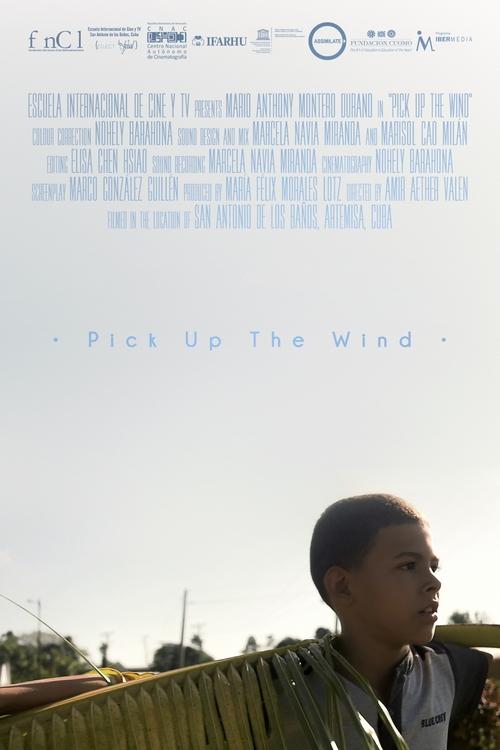
A short film following Anthony, a young child from the small, rural town of San Antonio de los Baños, Cuba. We see him in different moments of his daily life as he interacts with different forms of environmental, familial, and social influences. While Anthony displays contradictory traits of creativity, destruction, rigidity, and tenderness as he interacts with his external and internal worlds, we see a story built from the the multidimensionality of Anthony's layered personality as a young man.
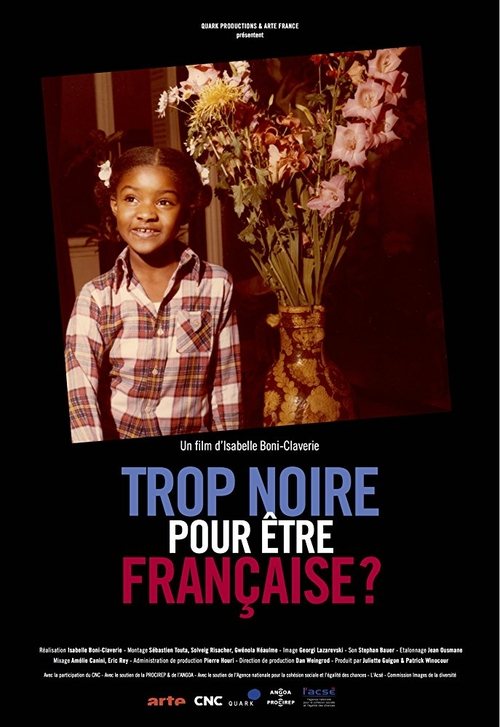
Approximately, because so-called "ethnic" statistics are prohibited, there are an estimated 3.3 million black French citizens. Distant descendants of slaves from the Caribbean or "indigenous" peoples from the French colonial empire in Africa, they constitute a minority that is often discriminated against. Isabelle Boni-Claverie, a mixed-race woman raised in the affluent neighborhoods of Paris, daughter of an Ivorian politician and granddaughter of Alphonse Boni, a Black man who became a magistrate of the French Republic in the 1930s, examines what is blocking the social advancement of Black French people and the full recognition of their citizenship.

Cruelty, psychological and sexual violence, humiliations: reality television seems to have gone mad. His debut in the early 2000s inaugurated a new era in the history of the audio-visual. Fifty years of archives trace the evolution of entertainment: how the staging of intimacy during the 80s opened new territories, how the privatization of the biggest channels has changed the relationship with the spectator. With the contribution of specialists, including philosopher Bernard Stiegler, this documentary demonstrates how emotion has made way for the exacerbation of the most destructive impulses.
Covering China's powerful leader, his signature foreign policy, U.S.-China trade and technology wars, how Chinese technology helps stifle dissent, and more. A collaboration with the Pulitzer Center on Crisis Reporting, PBS NewsHour conducted more than 70 on-camera interviews in eight Chinese cities and across eight countries.