
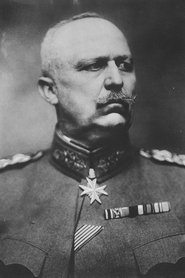
Paul von Hindenburg
Self
Short about Field Marshal Paul v. Hindenburg on the occasion of his 70th birthday on 02.10.1917.
Self
Self


On the Sorrento peninsula, orange and lemon groves stretch all the way to the coast. In the orange plantations, the high wooden frames are covered with mats to protect the trees from intense sunlight. The function of the artificial irrigation system is demonstrated. The oculation of trees is demonstrated in a young plantation. The oranges are cleaned on the spot, then sent to the laundry, cleaned, dried and made ready for dispatch. In a lemon plantation, many pickers stand on ladders on a tall tree and remove the fruit. The lemons are sorted, wrapped in tissue paper and packaged in home and large-scale factories. Before being exported, the goods are checked again for quality.


A day in the city of Berlin, which experienced an industrial boom in the 1920s, and still provides an insight into the living and working conditions at that time. Germany had just recovered a little from the worst consequences of the First World War, the great economic crisis was still a few years away and Hitler was not yet an issue at the time.
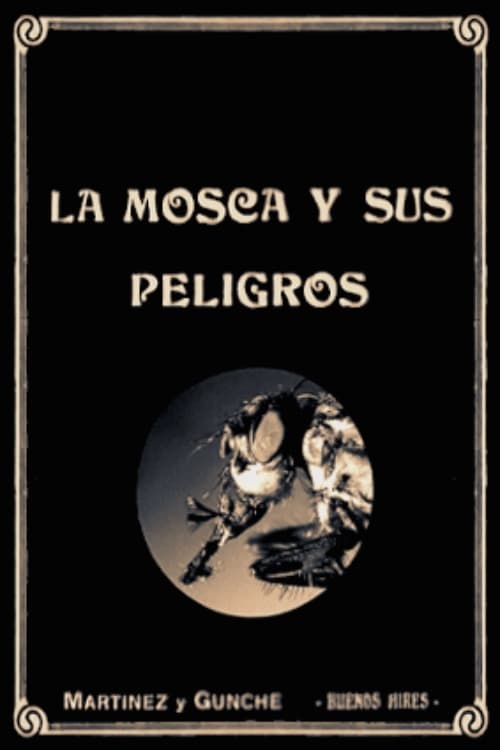
The Dangers of the Fly is an educational film made by Ernesto Gunche and Eduardo Martínez de la Pera, also responsible for Gaucho Nobility (1915), the biggest blockbuster of Argentinean silent cinema. De la Pera was a talented photographer, always willing to try new gadgets and techniques. This film experiments with microphotography in the style of Jean Comandon's films for Pathé and it is part of a series which included a film about mosquitoes and paludism and another one about cancer, which are considered lost. Flies were a popular subject of silent films and there are more than a dozen titles featuring them in the teens and early twenties.
An early silent film, made before intertites became common (which is why very early silent films are narrated, at best). This was filmed in 1907 but released in 1908. It was made at the request of Teddy Roosevelt, who saw coyotes being caught in Oklahoma *by hand*, and folks back east didn't believe him. While this movie is called "The Wolf Hunt", it was actually coyotes being caught, not wolves.
The subject is a group of women bathing in a public swimming pool. The camera was placed on the edge of the pool and the full extent of the film shows the women in the pool. Only the heads and shoulders of most of the women are visible but it is possible to see they are wearing rented bathing attire.
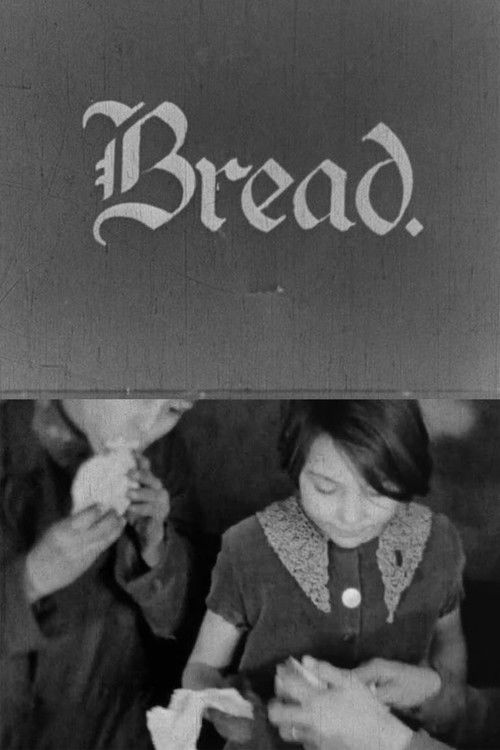
Life on the breadline in the 1930s was hard enough, but times were desperate when you fell beneath it. Hunger marches organised by the National Unemployed Workers' Movement drew attention to the cause, but this left-wing collective picked up a cine-camera. The fictional story at the heart of the film is somewhat melodramatic, but the authentic surroundings give its message realism and weight.