
Loading titles…
Documentary
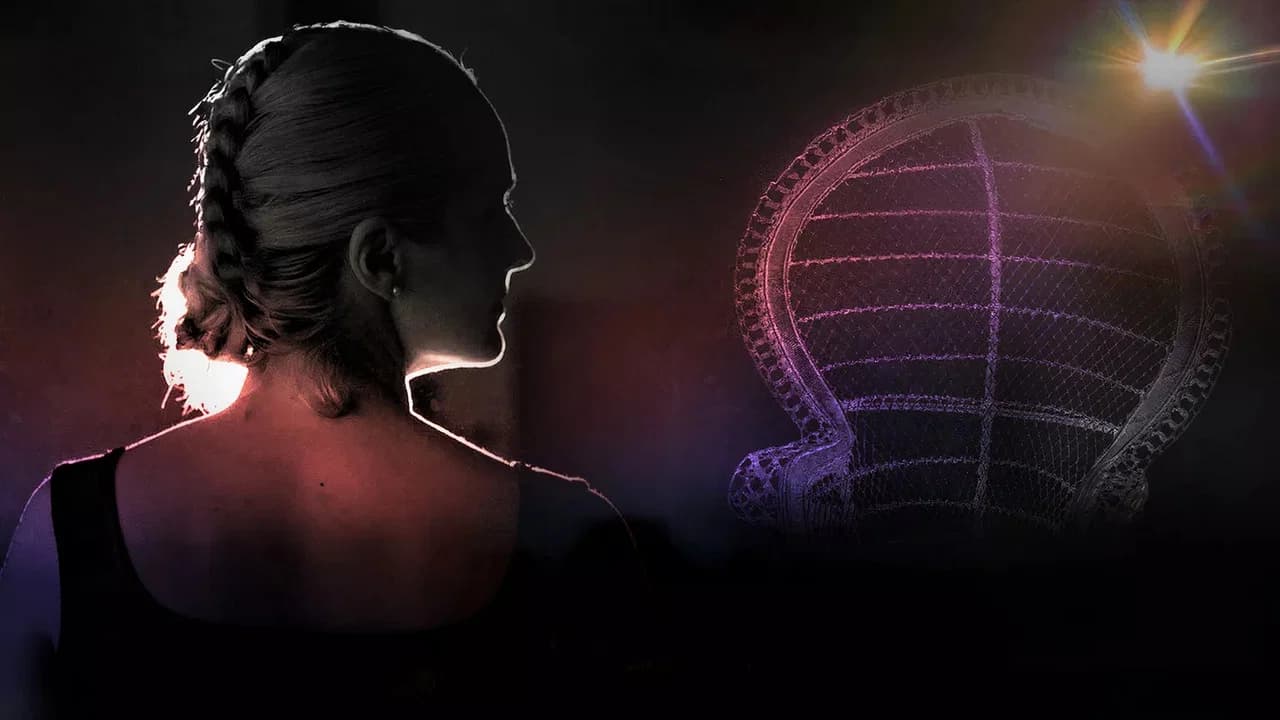
« Emmanuelle » was released 50 years ago. Its main character, played by the young Sylvia Kristel, delve freely into her sexuality, without taboo. This bold movie became one of the great success of french cinema in the 70s, and Emmanuelle became the face of sexual liberation.…


Self - actress

Self - director
Self - historian
Self - historian
Self - film critic
Self - producer
Self - director

Self - actress (archive footage)

Self - TV host (archive footage)

Self - actress
Self - humorist (archive footage)
Self - film critic
This documentary explores the events surrounding the greatest maritime tragedy in the history of the Pacific coast, the sinking of the Princess Sophia. The Canadian Pacific steamer had left Skagway, Alaska, on October 23, 1918, on its way to Vancouver, when a fierce blizzard hit. The ship veered off course and ran aground on a reef. Despite the proximity of several other ships, the harsh weather prevented any evacuation attempt. Almost 48 hours later, the Sophia slipped off the reef and sank. The following morning, rescue ships faced the terrible evidence: only the tip of its mast was visible. None of the 353 passengers and crewmembers survived. Archival photos, 3D animation, exclusive interviews and underwater photography relate an important chapter of maritime history, while vividly portraying a place and time.
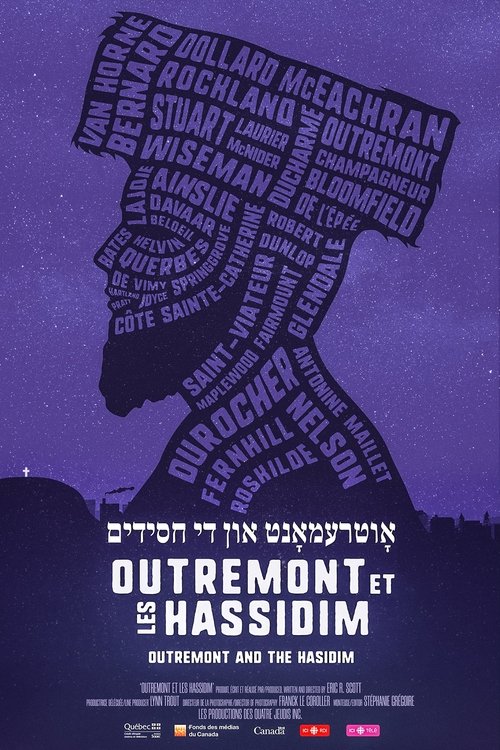
OUTREMONT AND THE HASIDIM reveals the challenges of accommodating the “Hasidim” – or ultra-Orthodox Jews – in the affluent Montréal borough of Outremont.Some 7,000 Hasidim live in or near this choice neighbourhood of Québec’s Francophone elite. After settling there more than 70 years ago, the Hasidim are a rapidly growing minority group which today represents about 23% of Outremont’s population.Thanks to unprecedented access to this self-isolated community, the film lifts the veil on its practices, traditions, music and life as they had never before been seen on Canadian television, without ignoring the community’s expectations, fears. and hopes.

The Victorian era is often cited for its lack of sexuality, but as this documentary reveals, the period's artists created a strong tradition surrounding the classical nude figure, which spread from the fine arts to more common forms of expression. The film explains how 19th-century artists were inspired by ancient Greek and Roman works to highlight the naked form, and how that was reflected in the evolving cultural attitudes toward sex.
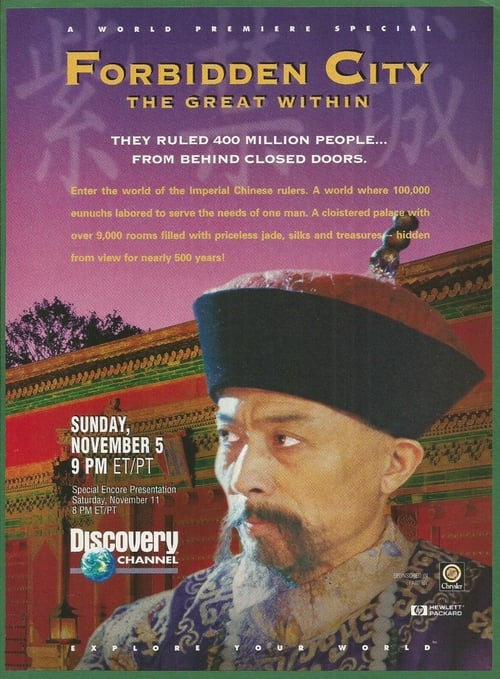
Amidst the grand walls of the Forbidden City, the film takes us on a deep journey through the ceremonial life of the Chinese emperor, unveiling the secrets and intrigues of concubines, eunuchs, and palace maids. As the West begins to influence China in the late 19th century, the dynamics within the city shift dramatically. The film highlights the preservation and restoration of invaluable treasures and paintings, culminating in the creation of the Palace Museum. With insights from renowned China scholar, Jonathan Spence, this is an intimate exploration of the rich cultural and historical tapestry that makes up the heart of ancient China.