

Loading titles…

Renée R. (voix)

The artist Johanna Faust is about to leave her children to finally devote herself to her art again. A vague memory comes to her mind: Didn't her grandmother do the same thing, with terrible consequences? The intimate road movie tells of lost mothers and abandoned children, of the temptations and the price of self-fulfilment, of the abysses of motherhood and of the deep longing for another life.

A portal, a sorceress, a fictional device to portray existence as a moment encapsulated inside an instantaneous photograph to present fragmented biographical elements —family disintegration, rootlessness, scars, two loyal companions, the promises of a new land—subverting the notion of a home-movie and transform it into a pilgrimage tool of self-discovery, mirroring the fragile nature of memories.


A meeting between the daughter and the grandmother of the director, Iván Mora Manzano, at a time when the memories of one, the girl’s, were taking shape, and the other’s the grandmother’s, were vanishing. This starting point is used as a pretext to talk about other topics such as the importance of family memories and the search for memory.


September 23, 2022 marks the 52nd anniversary of the death of Bourvil (1917-1970). Radio, sketches, boulevard theater, operetta, cinema, songs whimsical or tender, Bourvil is present in all areas of popular culture. Carried by the voice of Valérie Lemercier, this portrait of the artist allows us to rediscover his most beautiful songs, from Les Crayons to La Tendresse, and the highlights of his filmography, from the cult scenes of La Traversée de Paris, Le Corniaud and La Grande Vadrouille to Le Cercle rouge. We also rediscover the richness of his career as a singer and actor, with some little known nuggets. The testimony of Bourvil's two sons, unpublished family films and numerous archives tell the story of the all too brief life of this endearing man.

An Austrian director followed five successful African music and dance artists with his camera and followed their lives for a year. The artists, from villages in Ghana, Gambia and Congo, were the subjects of Africa! Africa! touring across Europe, but they have unbreakable roots to their homeland and their families. Schmiderer lovingly portrays his heroes, who tell their stories about themselves, their art and what it means to them to be African with captivating honesty. The interviews are interwoven with dance scenes and colourful vignettes set to authentic music.


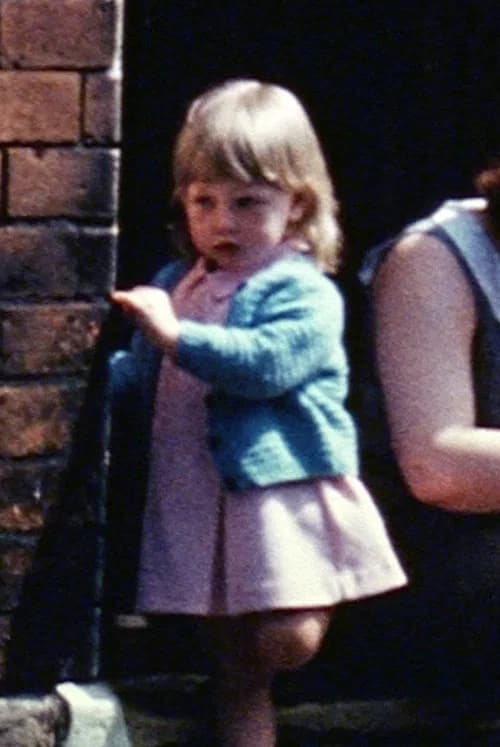
Between 1968 and 1970, J M Goodger, a lecturer at the University of Salford, made a film record of the living conditions in the slums of Ordsall, Salford, which were then in the process of being demolished. Under the title 'The Changing face of Salford', the film was in two parts: 'Life in the slums' and 'Bloody slums'.
