Loading titles…
Documentary / Comedy
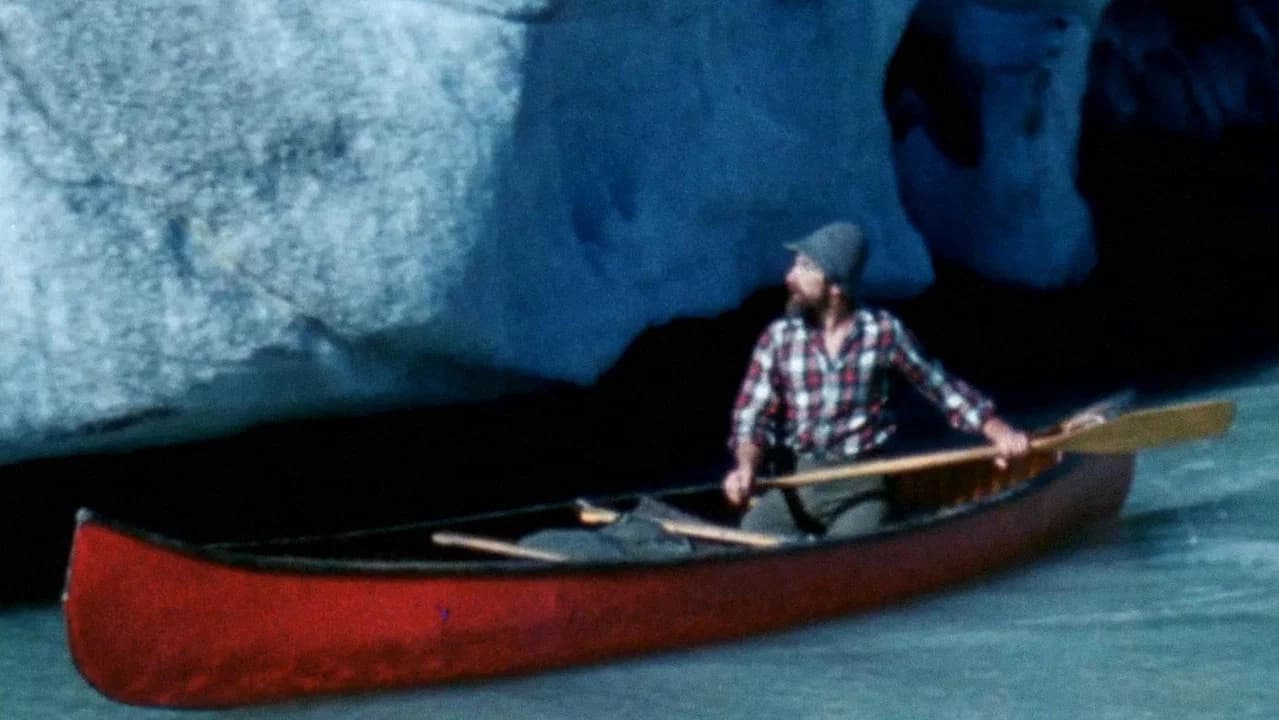
A lesson in geography, which concludes that although the Great Lakes have had their ups and downs, nothing has been harder to take than what humans have done to them lately. In the film, a lone canoeist lives through the changes of geological history, through Ice Age and flood,…
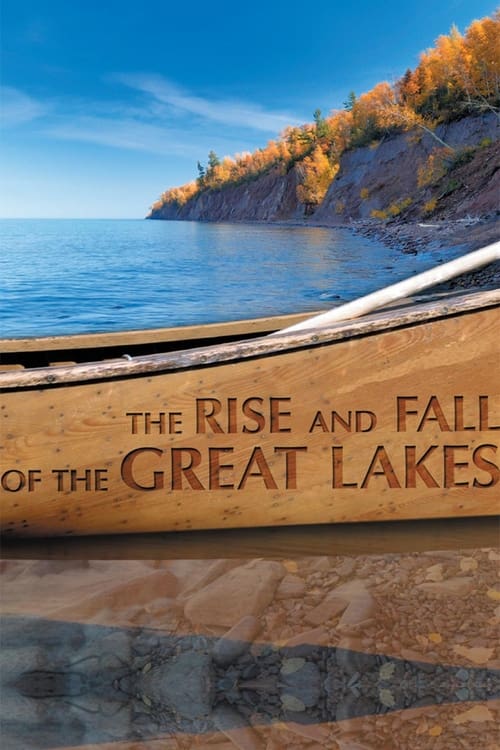
Man in the Canoe

The film discusses the various uses of land for producing food, clothing, and shelter. It explains how different types of land are cultivated for growing crops, raising livestock, and sourcing raw materials for clothing like cotton, wool, and leather. The film also covers the extraction of resources for building materials, such as lumber, clay, stone, and iron ore. Additionally, it touches on the production of plastics and synthetic materials from minerals. The film emphasizes the importance of making wise decisions in land use, balancing agricultural, industrial, and recreational needs, and the necessity of conserving land for its natural beauty and environmental value.
A new uranium mill -- the first in the U.S. in 30 years -- would re-connect the economically devastated rural mining community of Naturita, Colorado, to its proud history supplying the material for the first atomic bomb. Some view it as a greener energy source freeing America from its dependence on foreign oil, while others worry about the severe health and environmental consequences of the last uranium boom.
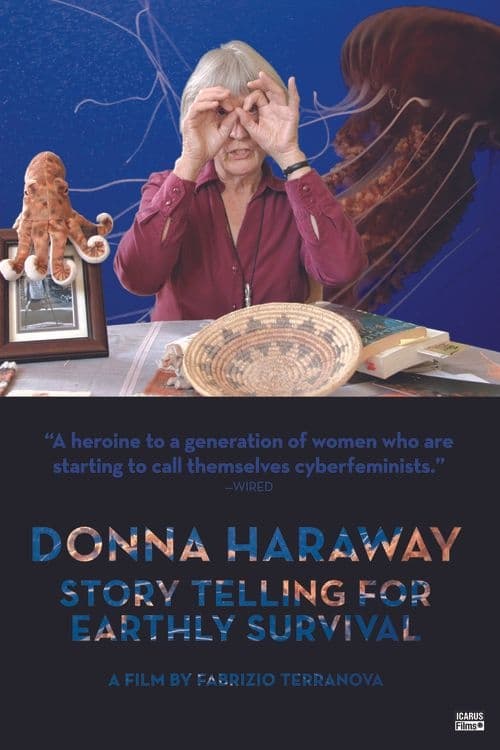
In Fabrizio Terranova’s film, Donna Haraway – an original thinker and activist, one of the founders of cyberfeminism and the author of A Cyborg Manifesto, which proposed a number of innovative theories about the existence of scientific knowledge – calls for the abandonment of the idea of human exceptionalism and for a conception of the world as complex web of interconnections between people, animals and machines. Jellyfish can be seen flying around her home while she discusses the stories that are necessary for Earth’s preservation and reads her fantastic tale of the art of survival on a broken planet, and of fusion and care between the species.
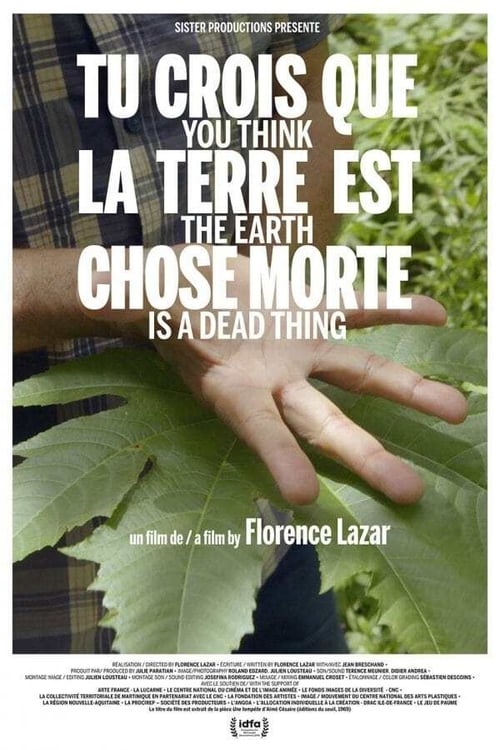
Just one of the many far-reaching impacts of the slave trade on human history is on agriculture and horticulture. While the French plantation owners on the Caribbean island of Martinique had their gardens laid out, Versailles-style, their enslaved workers continued their tradition of using medicinal wild herbs. Nowadays these herbs represent one of several resources through which the people of Martinique counter the health and ecological ravage caused by the use of pesticides on the banana plantations. Farmers are reclaiming uncultivated lands to grow indigenous vegetables, without any industrial pesticides; they fight boldly for simple biodiversity.
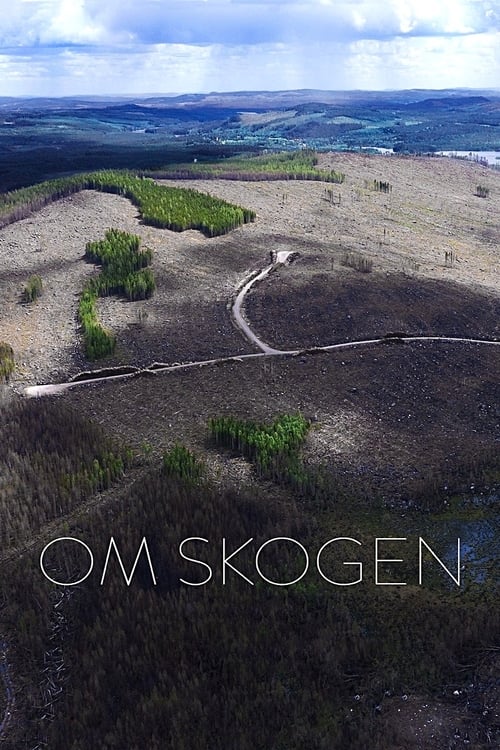
A post in the debate on Swedish forestry highlighting the difficulties and consequences of a hard deforestation with fast-growing forest plantations and a devastating short-sightedness. The documentary shows the vulnerability in the transition to a fossil-free society where we become increasingly dependent on the forest as a natural resource.