Loading titles…
Documentary / Crime / TV Movie
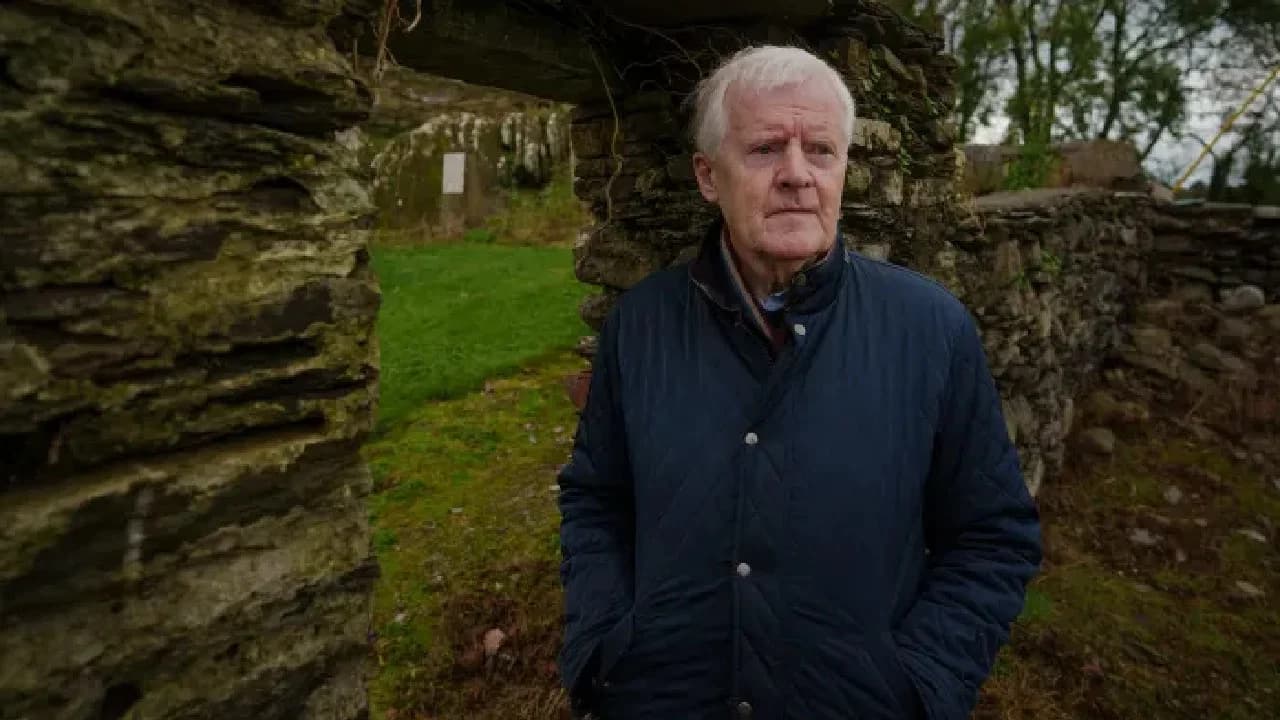
Over three nights in April 1922, 13 men were murdered in west Cork, because, according the late Canadian historian Peter Hart, they were Protestants. This documentary goes to the root of the bitter dispute his controversial views have created.

Self - Presenter
Self (archival footage)
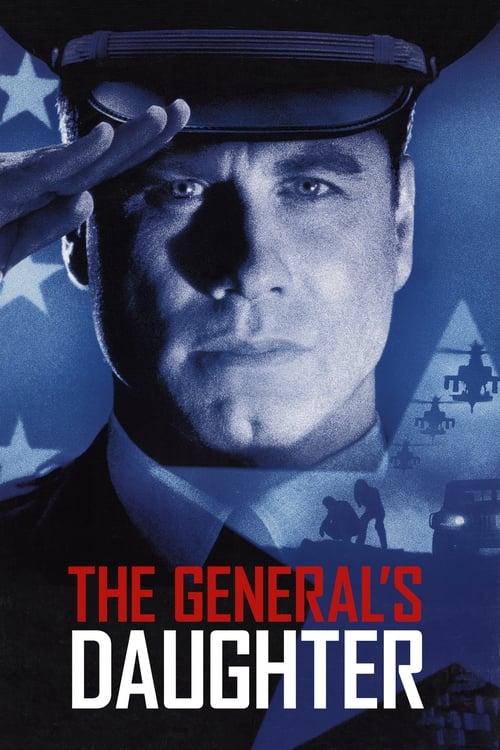
When the body of Army Capt. Elisabeth Campbell is found on a Georgia military base, two investigators, Warrant Officers Paul Brenner and Sara Sunhill, are ordered to solve her murder. What they uncover is anything but clear-cut. Unseemly details emerge about Campbell's life, leading to allegations of a possible military coverup of her death and the involvement of her father, Lt. Gen. Joseph Campbell.

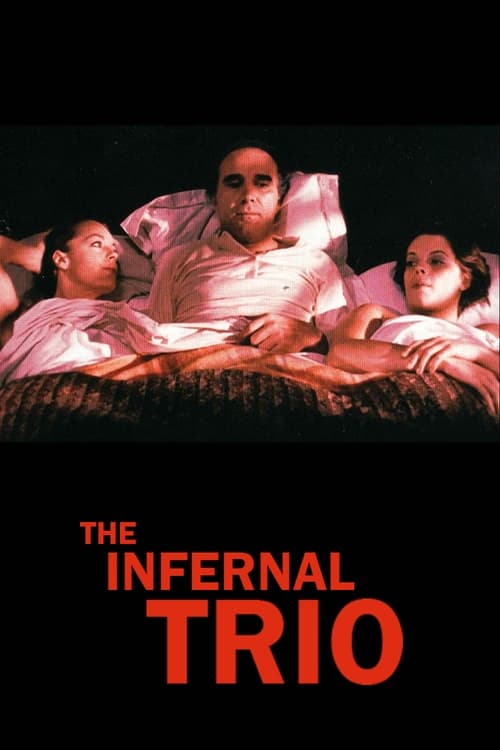
Marseilles, 1919. Georges Sarret is a distinguished and respected lawyer, recently honoured for his services in the First World War. He takes as his lover Philomène Schmidt, a young German woman, who has just lost her job and home. To enable Philomène to remain in France, Georges finds her a husband – who dies conveniently of natural causes a month after the wedding. Georges repeats the trick with Philomène's sister, Catherine – marrying her off to an old man who dies suddenly so that the scheming trio can profit from his life insurance. When an accomplice in the scheme, Marcel Chambon, threatens to blackmail them, Georges and his two lovers have no option but to kill him and his mistress...
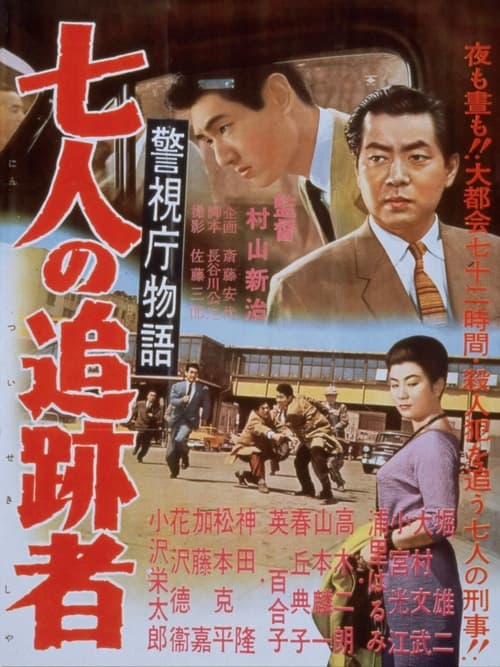
The body of a woman was found in a manhole. Is it an affair? The victim is a clerk at a mannequin manufacturing company. At the age of 26, she was a widow with a child, and she went missing after he went to collect her salary from the bank. A colleague at work said the victim was wearing an opal ring, but the bank clerk says she wore a jade ring when he came to withdraw money.
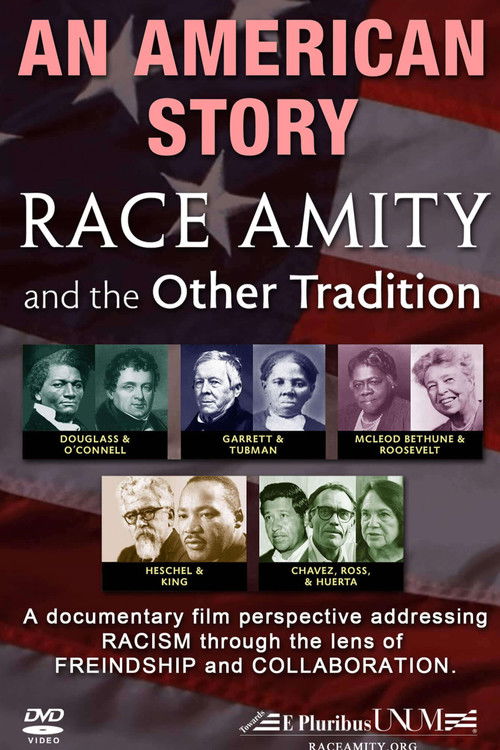
In contrast to the lens that focuses exclusively on the racist traditions that are rooted in America’s social history, the moral counterweight of close, loving, friendship and collaboration, which have always been present in our history, represents “the other tradition.” This “other tradition” is a source of inspiration and presents models of behavior that are instructional and include unknown and uncelebrated legacies to be absorbed and emulated across generations of present day Americans. The documentary discusses the “better in us” a needed collective perspective in the current climate of national disunity across racial, religious, and political lines. This has significant implications for addressing public issues from immigration to health care and the myriad of governmental, educational, business, and religious challenges that we must successfully meet to weave the fabric of unity which is indispensable to survival as a nation.