Loading titles…
Charles Baudelaire
The Wife


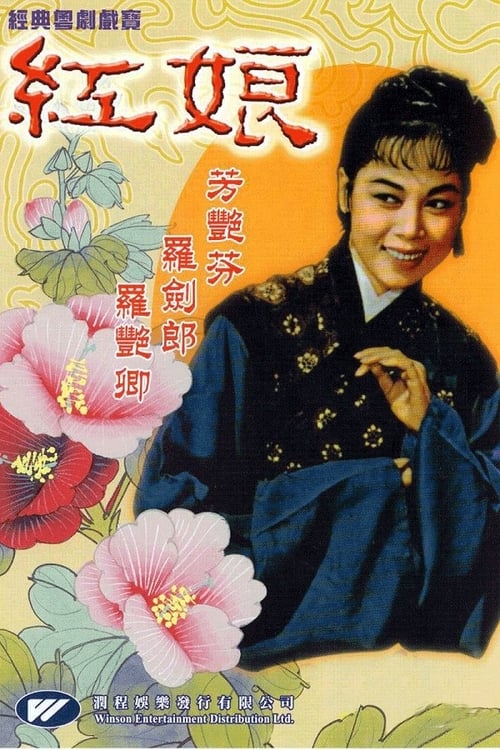
Production company Taoyuan chose for its inaugural film a comedy and Fong Yim-fun gets to take a break from playing long-suffering roles and showcase her talents in making us laugh! She plays the spritely titled character, brandishing a fresh image. The film is an adaptation of the literary classic Romance of the Western Chamber, in which the Prime Minister's daughter (Law Yim-hing), under siege from rebel soldiers, is rescued by a plan formulated by a poor scholar (Law Kim-long), with whom she is in love. But her mother (Poon Yat On) reneges afterwards on her promise to let the rescuer marry the daughter, and the clever Red Maid steps up as go-between, devising a series of sharp-witted tactics to help the lovers.

Lee Sun-fung is renowned for adapting literary classics for the silver screen. To commemorate the seventh anniversary of the Union Film Enterprise known for producing quality films and co-founded by Lee, Human Relationships is adapted from writer Ba Jin's novel into film. The Yiu family moves into a manor. Mrs Yiu, while frustrated by the way her step-son is spoiled by her husband and mother-in-law, develops a friendship with a kid (Michael Lai) who steals flowers from the mansion's garden. She later learns that he is the son of the place's former owner whose downfall at middle age is the result of being spoiled when young. Lai was only a child but gained a foothold among seasoned veterans like Cheung Wood-yau, Ng Cho-fan and Pak Yin.

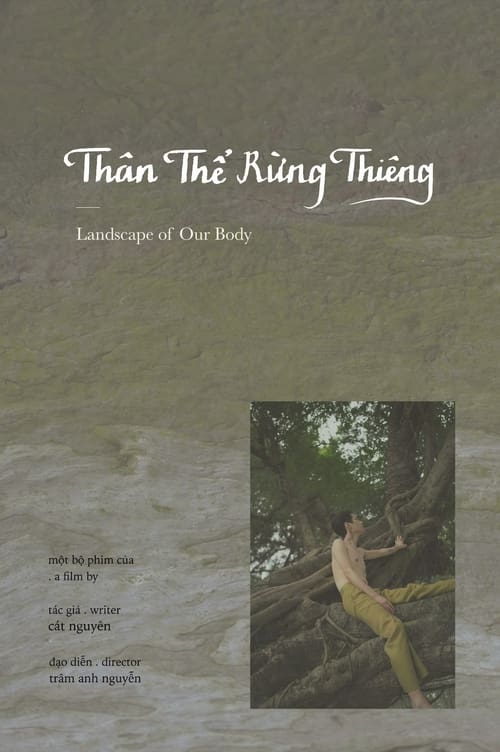
As queer trans and gender non-conforming children of the Vietnamese diaspora, we are fragmented at the crossroads of being displaced from not only a sense of belonging to our ancestral land, but also our own bodies which are conditioned by society to stray away from our most authentic existence. Yet these bodies of ours are the vessels we sail to embark on a lifetime voyage of return to our original selves. It is our bodies that navigate the treacherous tides of normative systems that impose themselves on our very being. And it is our bodies that act as community lighthouses for collective liberation. Ultimately, the landscape of our bodies is our blueprint to remembering, to healing, to blooming.
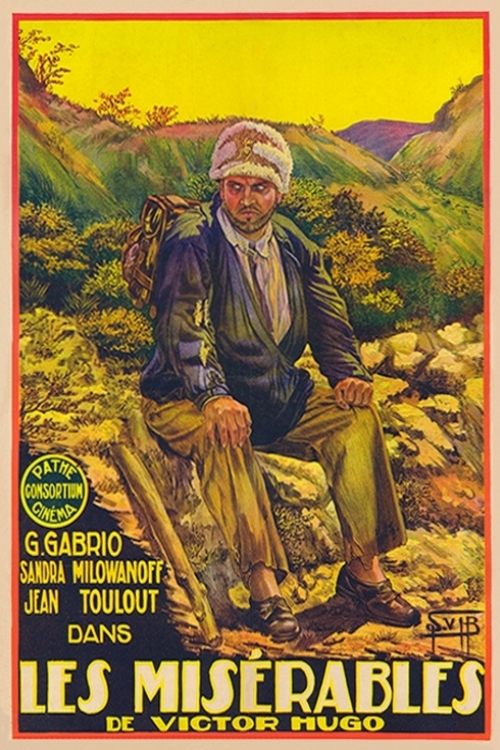


A touching drama based on the novel of the same name by Eikichi Hashimoto. In the 23rd year of the Meiji period, weather forecasts were rarely correct, and people endlessly suffered from typhoons and natural disasters. Nonaka Itaru, a private meteorologist, settled on Mount Fuji during the harsh winter, where it was thought impossible to overwinter, and opens up the future of high-altitude weather observations in Japan.