Loading titles…
Documentary
The magnificent murals at St. Nicholas Church in Millvale, painted by Maxo Vanka in the late 1930s, are legendary. Filmmaker Kenneth Love conveys the significance of these images and the impact they have had on art historians, parishioners, and the public.
No cast information available.

Andrew Graham-Dixon explores the ancient Christian practice of preserving holy relics and the largely forgotten art form that went with it, the reliquary. Fragments of bone or fabric placed inside a bejewelled shrine, a sculpted golden head or even a life-sized silver hand were, and still are, objects of religious devotion believed to have the power to work miracles. The documentary features interviews with art historian Sister Wendy Beckett and Neil MacGregor, director of the British Museum.


With music by The Cardboards, The Shakes, Hans Brinker and The Dykes. By combining semi-fictionalized and documentary material, this film is as definitive a record of the Pittsburgh punk scene during its nascent underground as anyone could hope for. Beroes' band footage is radical departure from the gimmickry of stereotyped rock band documentary in its use of pans and slow dollys, capturing small glimpses of the musicians at work that a 'PR' film would have avoided at all costs. The cinematography demands a reconsideration of the rock band documentary's hoary technical vocabulary. From the time this film was made changes have already taken place in Pittsburgh punk-dom as the bands have moved from an insular salon society to more 'legitimate' venues. Some say things are better than ever, others mourn the passing of Pittsburgh punk's innocence. Beroes in Debt Begins at 20 has produced not only entertainment, but also a small and very precious time capsule.

Philippe de Montebello, Director of The Metropolitan Museum of Art from 1977 to 2008, guides viewers through The Cloisters, pointing out Romanesque and Gothic architecture and artwork, beautiful tapestries, and the diverse species in the gardens. He outlines the history of the building and it's many influences and highlights significant works of art in the collection. It was produced in 1989 by The Metropolitan Museum of Art's Office of Film and Television.
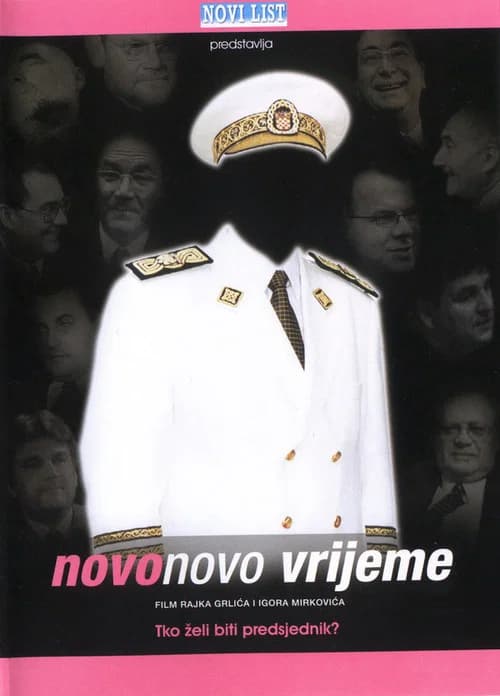
"Croatia 2000 - Who Wants To Be A President" is a feature-length documentary film about dramatic political events that occurred in the period between the death of Croatian president Franjo Tudjman and the victory of Stipe Mesić in the presidential elections. Incessantly following (sometimes with ten cameras) the most influential figures in Croatian political life, cameras witnessed the moments of their biggest battle, their greatest victory and crushing defeat, and days of great strain, passion and political combat.

Well-known Croatian author Pero Kvesić, who has been struggling with a severe lung disease, documents his death from his own point of view. Recording his everyday struggle, the picture resembles a peculiar blog filled with self-irony and witty comments about life and death. Although the world around continues to shrink, the hero and the director in one does not cease to fill it with sense.