
Loading titles…
No cast information available.

Reveals a revolutionary chapter in Australian history, the Women’s Liberation Movement (1965 -1975). Interweaves fresh archival footage, personal photographs, memorabilia, and personal accounts from activists all around Australia to show how a daring and diverse group of women joined forces to defy the status quo, demand equality, and create profound social change. These women defined one of the greatest social movements of the 20th century, sometimes at great personal cost.

A celebration of Dr. Maya Angelou by weaving her words with rare and intimate archival photographs and videos, which paint hidden moments of her exuberant life during some of America’s most defining civil rights moments. From her upbringing in the Depression-era South to her swinging soirees with Malcolm X in Ghana to her inaugural speech for President Bill Clinton, we are given special access to interviews with Dr. Angelou whose indelible charm and quick wit make it easy to love her.

Produced by the Sheffield Film Co-op for the Nottinghamshire Women’s Training Scheme, a documentary made to promote the work of this women-only training scheme to provide education and trade skills in professions not normally associated with women such as electronics, plumbing, motor mechanics and heavy goods vehicle driving. The film speaks with many of those who are employed at the centre both in regards the courses they run as well as the support they provide.

The conflict between Dole Food Company and Swedish filmmaker Fredrik Gertten unfolds dramatically in the documentary "BIG BOYS GONE BANANAS!" as the corporation attempts to suppress Gertten's earlier film, "BANANAS!"—chronicling Nicaraguan workers' lawsuit against Dole. Initially selected for the 2009 Los Angeles Film Festival, "BANANAS!" was abruptly removed from competition, followed by a negative article in the Los Angeles Business Journal and legal threats from Dole's attorneys. Gertten captures this saga of corporate intimidation, media manipulation, and legal challenges in his documentary, showcasing the struggles documentary filmmakers face and highlighting the threat to freedom of speech posed by powerful corporations protecting their reputations.


The German documentary is dedicated to an influential figure of the 20th century: Petra Kelly spent her life campaigning for feminism, environmental activism, human rights and peace. She was a political co-founder of the Green Party in the 1970s and 80s and protested against nuclear missiles in West Germany at the height of the Cold War. Above all, however, she believed that one person could very well change the world and thus rose to become an icon of the peace movement.

A documentary film, which focuses on the subject of women’s movement in the Philippines. Myth and legend overlap with history and politics as the women’s struggle is laid to bear in the individual stories and achievements of those featured in the film. The fragmented mosaic of voices and scenes allow for a plurality of views and opinions to account for the multifaceted and complex nature of Filipinas. From poetry to dance, politics to poetry – women chart their own lives in the auspicious event of change happening with the ascent of a woman to the country’s pinnacle of power.

Juck (literally Hump) is a dance group that made its breakthrough in a 2013 viral video, where they pushed the limits of how the female body is allowed to express itself and make a statement. Since then they have 'humped' all over the world. A film that swings between documentary, dance and fiction asks the question, "What is femininity?".
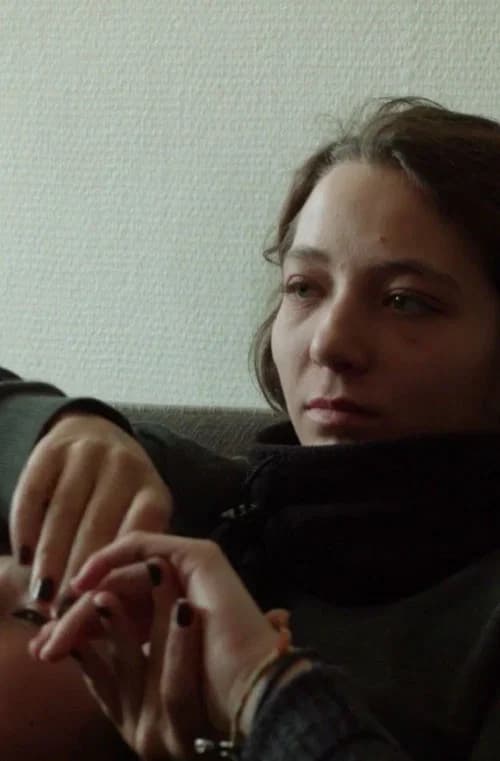
In a squat in Nantes, Mat and her friends organise a self-gynaecology workshop to “look at oneself and know oneself”. A lively and intimate portrait of a young woman, filmed through her personal and collective questioning of the relationship with oneself, love, sex and the links that they all maintain between each other.


