
Loading titles…
Documentary / History
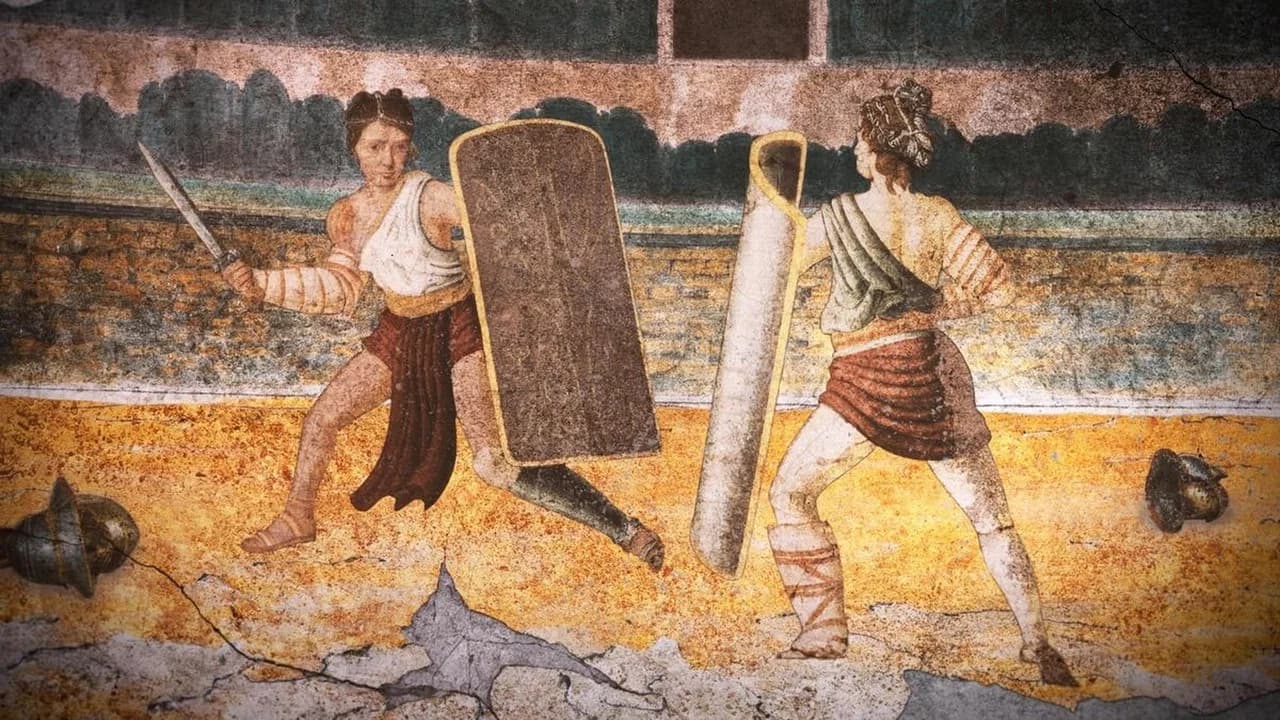
What if women were hidden among the ranks of Ancient Rome’s fearsome gladiators? A group of experts searches for evidence to prove women once fought in the arena just like men. Combining history, archaeology, and forensic investigation, journey across Europe in a quest for…

Narrator


Documentary released to coincide with the British Museum's exhibition dedicated to the man who ruled the Roman Empire from 117 to 138 AD. The programme explores the life, achievements, passions and legacy of the emperor who was both soldier and poet and responsible for that most famous construction - Hadrian's Wall. The documentary was produced in conjunction with the exhibition Hadrian: Empire and Conflict at the British Museum 24 July - 26 October 2008.

What is true and what is false in the hideous stories spread about the controversial figure of the Roman emperor Gaius Julius Caesar Augustus Germanicus (12-41), nicknamed Caligula? Professor Mary Beard explains what is accurate and what is mythical in the historical accounts that portray him as an unbalanced despot. Was he a sadistic tyrant, as Roman historians have told, or perhaps the truth about him was manipulated because of political interests?

Drunk and disillusioned Roman, Marcellus Gallio, wins Jesus' robe in a dice game after the crucifixion. Marcellus has never been a man of faith like his slave, Demetrius, but when Demetrius escapes with the robe, Marcellus experiences disturbing visions and feels guilty for his actions. Convinced that destroying the robe will cure him, Marcellus sets out to find Demetrius — and discovers his Christian faith along the way.

After General Flavius Aetius frees the Roman Empire from the clutches of Attila the Hun, Rome is once again secure. However, this assurance is short-lived, as Attila is no longer a threat, it only brings the Germanic tribes to once again unite against Rome. As the growing power of General Flavius Aetius becomes a threat to the Roman Senate, and the Emperor of Rome, Flavius becomes a victim of assassination to the Roman political hierarchy, which leaves Rome to two decades of corruption and turmoil. This unrest causes an intense decline in its infrastructure, finally brings the Empire to its inevitable demise. Leaving the Barbarians to finally fulfil their 400 years old dream, to destroy Rome once and for all.


After the death of Octavian, the rebel populations of Illyria and Pannonia pose a grave threat to the Roman Empire. Tribune Marcus Ventidius is sent to subdue the uprising and, after a bitter battle, captures Pannonian chief Magdus together with a number of women hostages. These include Magdus's own daughter Helen, betrothed to cruel Illyrian warrior Batone who has killed many Romans. Julia, daughter of the Roman governor Messala, is in love with Tribune Marcus and, jealous of his sympathy for the barbarian girl, plots an escape by Helen and her father. Pursuing the fugitives, Marcus crosses a mountain pass where Batone has laid a trap.