Loading titles…
No cast information available.
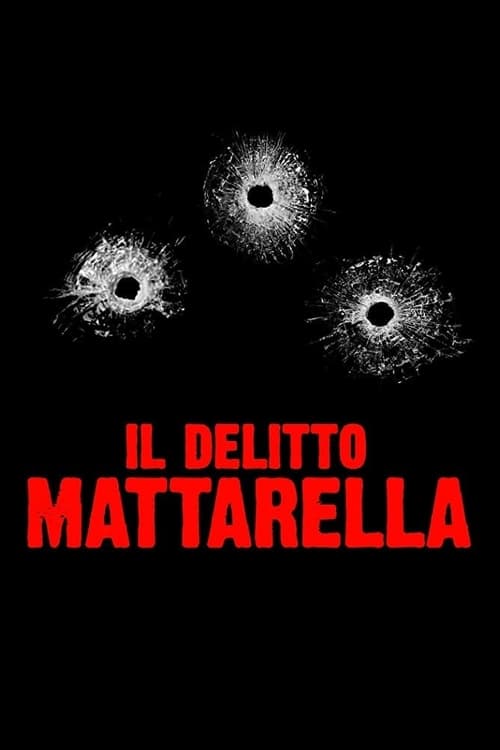
January 6, 1980. President of the Sicily Piersanti Mattarella is going to Mass with his family when a young man approaches his car and shoots him in cold blood, killing him. The young Deputy Prosecutor on duty that day is Pietro Grasso, future General Anti-Mafia Prosecutor and President of the Italian Senate. His investigations are continued by Giovanni Falcone, who uncovers dangerous connections between the Mafia, the ruling Christian Democratic Party, neo-fascist terrorists, and secret services.
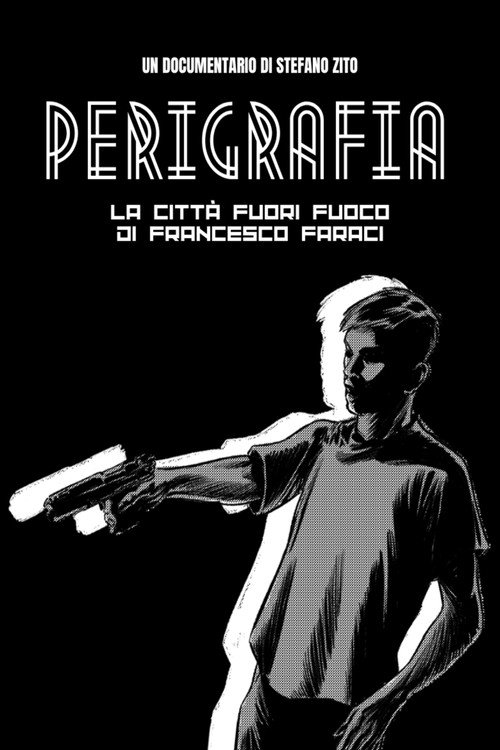
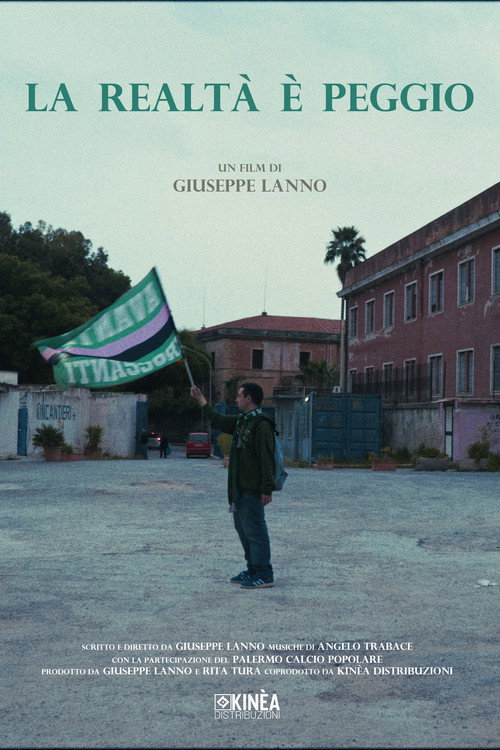
The documentary explores the outskirts of Palermo through the lens of photographer Francesco Faraci, whose work paints a portrait of the “out-of-focus cities”—areas that have long been marginalized, exploited, and rarely the recipients of adequate investment. This structural neglect has contributed to the entrenchment of conditions of decay, poverty, and a lack of opportunities, fostering the rise of power structures alternative to the state, foremost among them the mafia. Through the story of his own experiences in Sicily’s suburbs, the photographer reflects on possible strategies for regenerating these places, highlighting how they still represent spaces capable of preserving a human and relational authenticity that has progressively disappeared from urban centers.

Sicilian photojournalist Letizia Battaglia began a long battle against the ruthless Cosa Nostra when she first photographed the sinister scene of a brutal murder. Documenting the barbaric rule of the Italian Mafia, she was an unwavering witness to its crimes. Her art and courage helped end the horrific and bloody reign of the Corleonesi clan.
Testimonies of young women, the jealousy of their boyfriends, the indifference of their fathers, the intransigence of the stereotypes that pass through them. 10 episodes of an experimental web-series on sexism and gender violence, born immediately after the rape in Palermo in July 2023 in an attempt to build a counter-narrative that demystifies the macho and misogynistic mythologies of the media and the collectives, against the backdrop of anthropological considerations on “men who hate women”. Disturbing, percussive and pounding like all the works by canecapovolto, a place in which to penetrate the problem and extract its roots for a greater understanding of things. The series is copyright-free, it can be freely reshared by anyone.
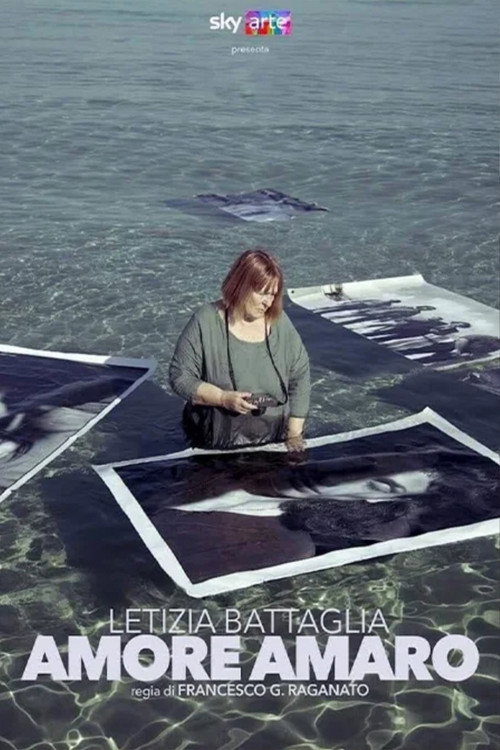
Letizia Battaglia (1935–2022) stands among the greatest figures of Italian social documentary photography. At nearly forty, this mother of three left everything behind to become a photojournalist and started working for the newspaper L’Ora. She captured her native Palermo with rare intensity, documenting both the brutal grip of the Cosa Nostra on the city and the everyday lives of its inhabitants with a focus on women and children. A committed activist, she became politically involved in the fight against the mafia during the 1980s. In this intimate portrait, Letizia Battaglia tells her story through her most iconic photographs. Through her gaze, at once tender and piercing, the full complexity of Palermo comes to light.
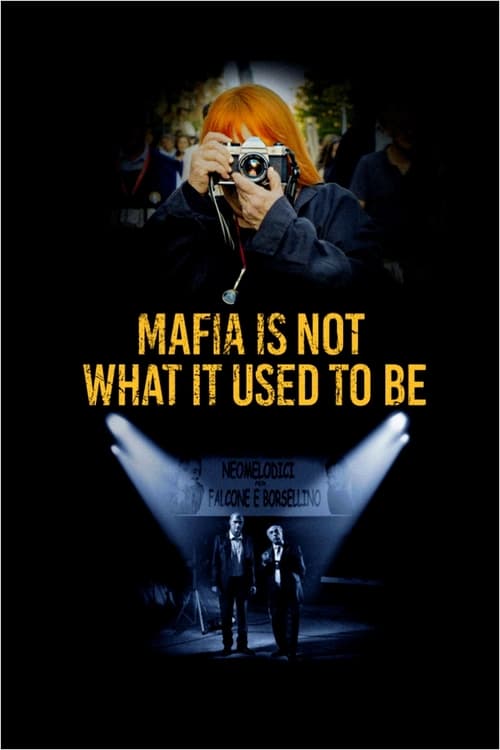
Palermo, Sicily, Italy, 2017. Twenty-five years after the murders of anti-mafia judges Giovanni Falcone, on May 23, 1992, and Paolo Borsellino, on July 19, 1992; and on the occasion of the tributes held in memory of both heroes, skeptical photographer Letizia Battaglia, chronicler of their titanic combat, criticizes the opportunism of shady characters who, like businessman Ciccio Mira, profit from the commemoration of both tragedies.