
Loading titles…

Self (voice)
Shot in Cuba in 1961, this documentary follows a volunteer militia brigade organized in defense of the Cuban Revolution. Joris Ivens and his crew observe military training, daily life, and collective discipline among civilian volunteers. The film emphasizes popular mobilization as a defining feature of the revolutionary state.
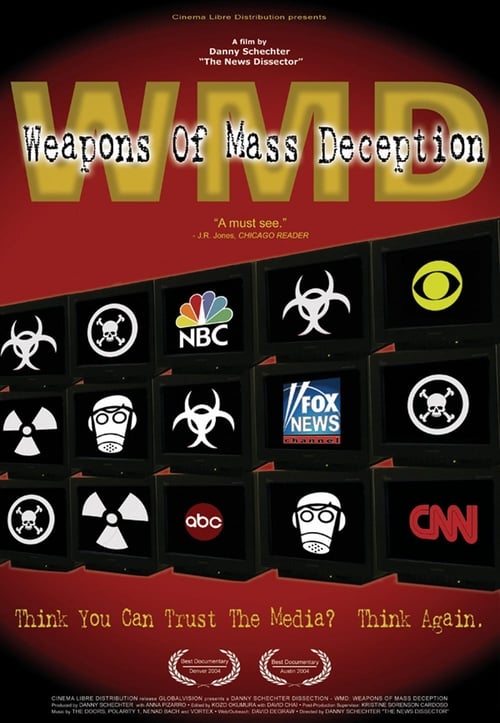
There were two wars in Iraq--a military assault and a media war. The former was well-covered; the latter was not. Until now... Independent filmmaker, Emmy-award winningTV journalist, author and media critic, Danny Schechter turns the cameras on the role of the media. His new film, WMD, is an outspoken assessment of how Pentagon propaganda and media complicity misled the American people...
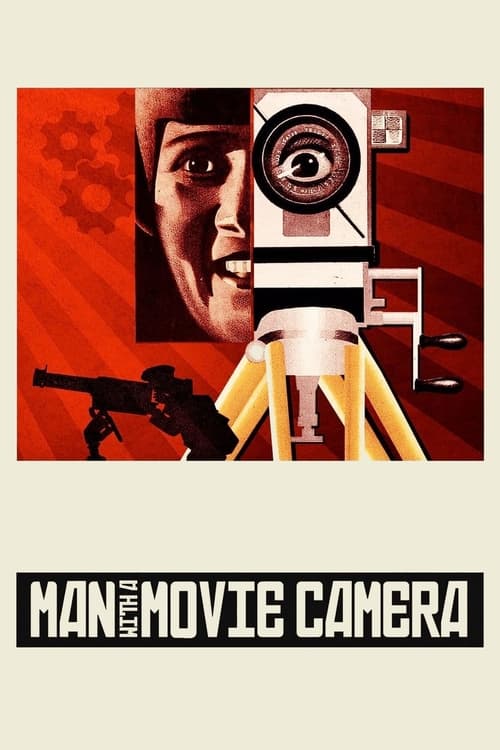
Man With a Movie Camera: The Global Remake is a participatory video shot by people around the world who are invited to record images interpreting the original script of Vertov’s Man With A Movie Camera and upload them to this site. Software developed specifically for this project archives, sequences and streams the submissions as a film. Anyone can upload footage. When the work streams your contribution becomes part of a worldwide montage, in Vertov’s terms the “decoding of life as it is”.
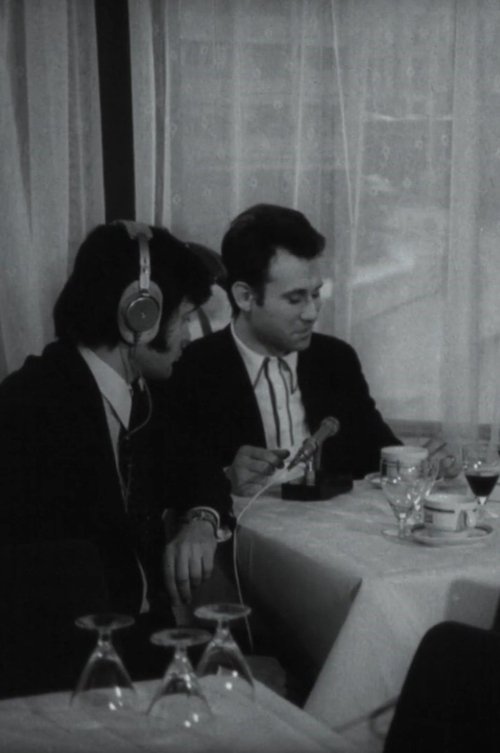
At the beginning of the 70s, Sahia Studio produced a number of social investigations commissioned by the Central Committee of the Romanian Communist Party, intended to expose the so-called "social parasitism". The decision was taken after the theses of July 1971, which provide that "one of the main objectives of political work, especially among the youth, is the firm fight against the tendencies of parasitism, of an easy life, without work, the cultivation of responsibility and the duty to work , in the service of the country, the people, the socialist society". The most famous films, made with the competition of the Ministry of the Interior and the Ministry of Justice, are Să treacă vara and Iarna unor pierde vară
In a culture where cremation is unusual, cemeteries fill up rapidly. In Latin America and in some other places, to solve the problem, remains are frequently exhumed. In Cuba, two year after interment. Relatives are invited to observe the little ritual. The music of the film is drawn from requiems from different periods. Twelve pieces by seven different composers are quoted. Together, they make up a traditional requiem, although only a few passages from the "dies irae" have been included, and other sections are slightly abbreviated.
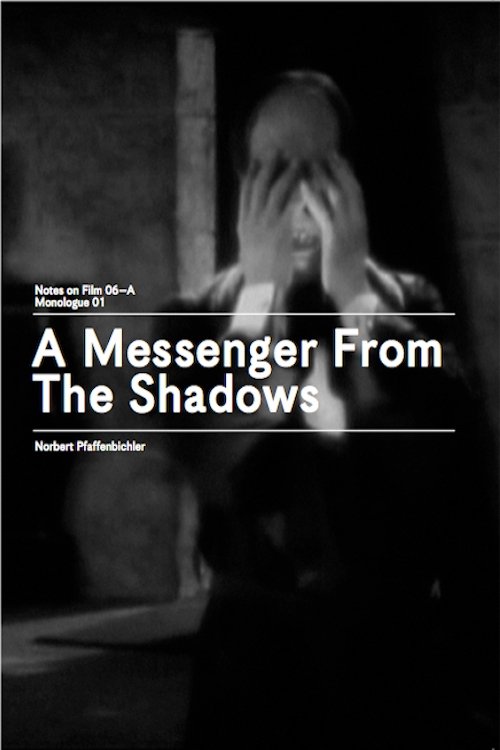
Thanks to his myriad film roles, Lon Chaney is known as “the man of a thousand faces,” and you could say that the early horror era never beheld a figure more intriguing. Yet because of his numerous transformations, his face never became as iconic as that of, say, Boris Karloff. Accompanied by a soundtrack from Bernhard Lang, this “re-imagination of shots” taken from Chaney´s forty-six surviving films offers a beguiling excursion into the history of film. The director reveals surprising associations, while highlighting the enduring magic of works which are now more or less forgotten.