Loading titles…
No cast information available.

Every year, thousands of Antarctica's emperor penguins make an astonishing journey to breed their young. They walk, marching day and night in single file 70 miles into the darkest, driest and coldest continent on Earth. This amazing, true-life tale is touched with humour and alive with thrills. Breathtaking photography captures the transcendent beauty and staggering drama of devoted parent penguins who, in the fierce polar winter, take turns guarding their egg and trekking to the ocean in search of food. Predators hunt them, storms lash them. But the safety of their adorable chicks makes it all worthwhile. So follow the leader... to adventure!!

Michael Cockerell sheds new light on the tragi-comedy of the 1970s by focusing on some of its most controversial characters. With fresh filming and new interviews, along with a treasure trove of rare archive, the film presents the inside story of giant personalities who make today's public figures look sadly dull in comparison. The well-known journalist revisits some of his films on the big characters who helped shaped the 1970s in Britain. Both tragic and comic, it highlights just how much our world has changed in four decades.
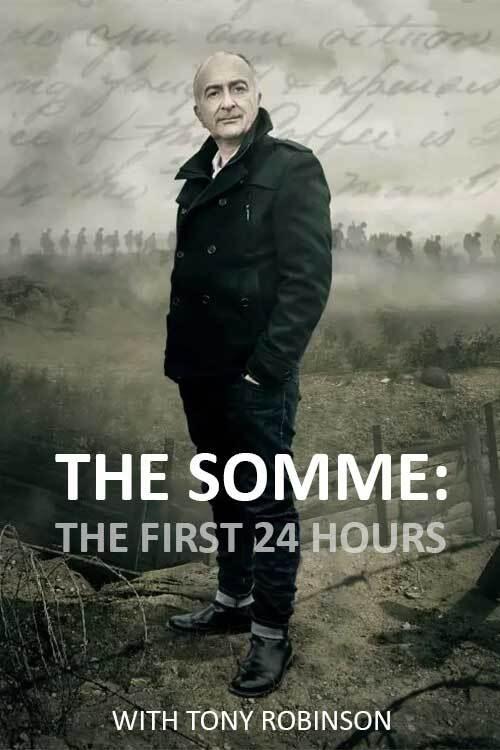
Hosted by actor and historian Sir Tony Robinson, this one-off special tells the powerful and moving story of five men, all members of a unique volunteer army – the Sheffield City battalion – as it recounts the soldiers’ last days, leaving their homes and loved ones to go and serve alongside their friends and neighbours, completely unaware of what lay ahead of them. Central to the programme is the story of Private Frank Meakin, who recorded his unique personal testimony of the war. Frank and his friends could never have anticipated what they would experience, but 100 years on we know in detail, thanks to his diary – an account that shouldn’t have existed, because keeping one was forbidden for servicemen on active duty on the Western Front. Frank’s diary, which was smuggled back from the Front, reveals the intimate details and dramatic stories of one battalion – and one British city – in the words of one man.
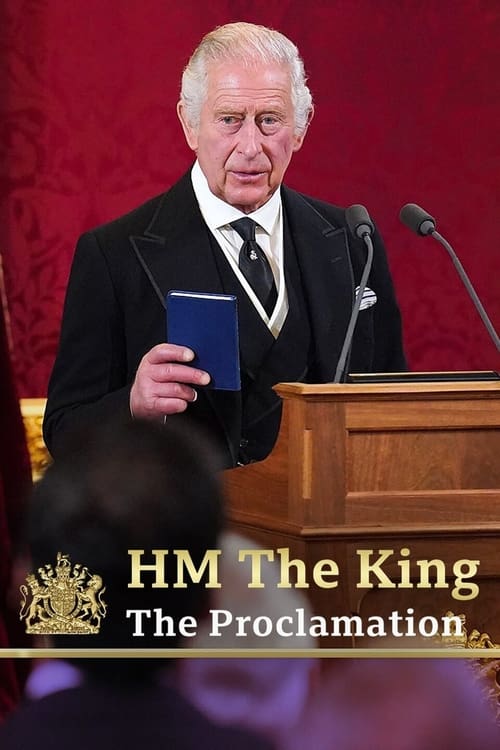
From St James's Palace in London, the historic proclamation of His Majesty the King takes place. For the first time since 1952, the Accession Council meets to make the formal declaration of the accession of the new sovereign. Following the Accession Council, the principal proclamation is read by Garter King of Arms.

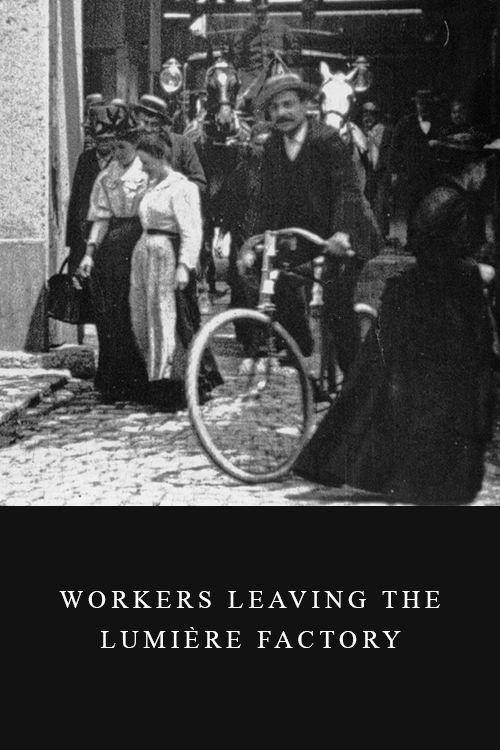
Working men and women leave through the main gate of the Lumière factory in Lyon, France. Filmed on 22 March 1895, it is often referred to as the first real motion picture ever made, although Louis Le Prince's 1888 Roundhay Garden Scene pre-dated it by seven years. Three separate versions of this film exist, which differ from one another in numerous ways. The first version features a carriage drawn by one horse, while in the second version the carriage is drawn by two horses, and there is no carriage at all in the third version. The clothing style is also different between the three versions, demonstrating the different seasons in which each was filmed. This film was made in the 35 mm format with an aspect ratio of 1.33:1, and at a speed of 16 frames per second. At that rate, the 17 meters of film length provided a duration of 46 seconds, holding a total of 800 frames.