
Loading titles…
Documentary
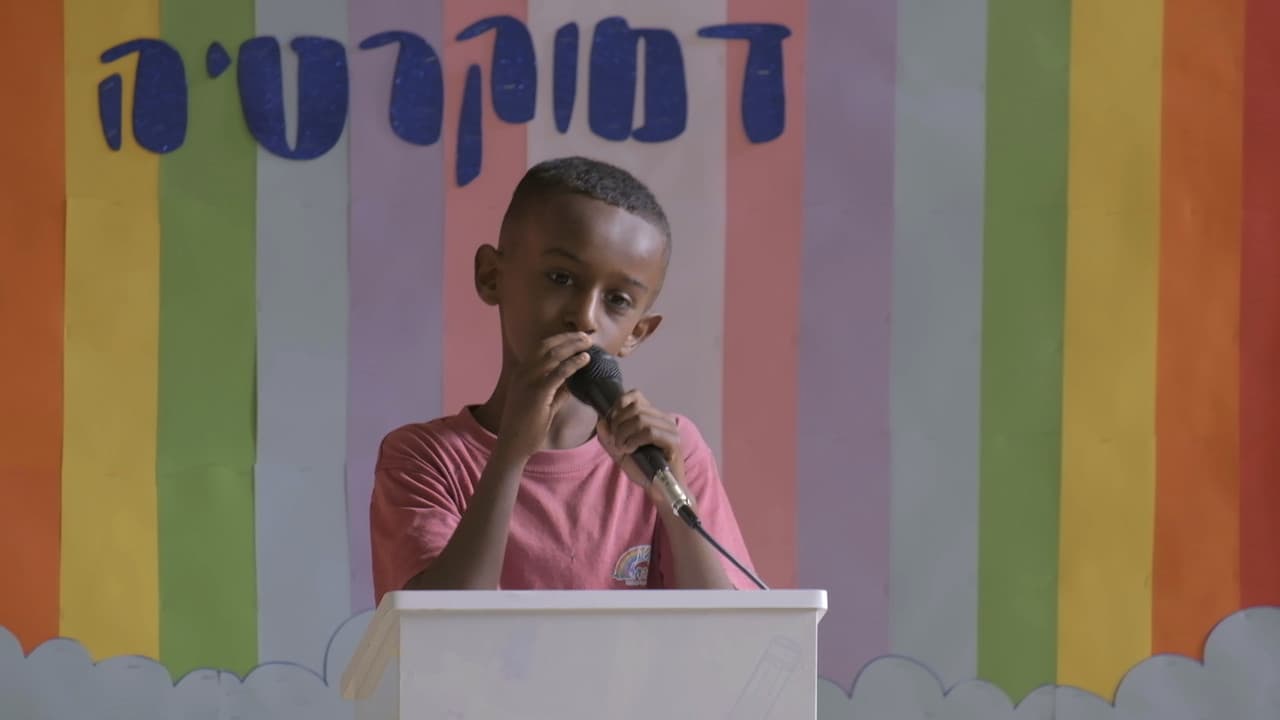
What does it mean to belong to a place, a country? In a south Tel Aviv elementary school, that question is addressed head-on by a fourth-grade class and their teacher. The children are asylum seekers whose families mostly do not have a legal status in Israel, yet learn, sing and…

No cast information available.


In the heart of the Camargue region, in the south of France, Jawad and Belka find freedom in their love of Camargue races. For these young Maghrebi men, the event is more than a simple tradition. Facing off with a bull is an opportunity to establish their place in the arena—and in French society. But at what cost?

"Imagine sleeping at home" follows the story of several children who guide us to understand the conflict and the problems that they face, but also pay attention of small groups of friends who spontaneously comes to camera to tell what are their concerns. In the documentary we can also find the testimony of the director of a school for disabled children, the story of how a mother had to escape from the occupied territories when the Moroccan police detained for a week her ten years old son, or the analysis of a Sahrawi soldier about the situation of their children.

Agrokor is the largest privately owned company in Croatia and a symbol of modern-day success of Croatian economy. The corporation headquarters is located in the tower of Dražen Petrović House, popularly known as the Cibona Tower, which represents one of the symbols of previous Croatian achievements from the late socialist period. In 2017 Agrokor’s business problems are disclosed – the losses amount to billions. In collusion between politics and economy, who is responsible for the breakdown of this corporation? Today Agrokor’s sign no longer hangs from the Cibona Tower.


The Kabyle people define themselves first and foremost through the spoken word. Every gesture, every moment of their daily lives can give rise to a language of verse, metaphors, and proverbs. After all, isn't it said that in the mountain foothills they call home, verbal dueling was a common pastime? It is a reality difficult to visualize when one looks at the immigrant society where these men and women—often illiterate—are relegated solely to the roles of manual laborers and housewives; one can hardly imagine the eloquent orators they become when they return to their native tongue.

Repainting Cuba takes a critical look at communist Cuba, where both the facades and the aging regime were given a coating of colorful paint in connection with the 50 year anniversary of the revolution. Two young Cubans under house arrest talk about being imprisoned for dealing with foreign tourists in a society where gossip and backstabbing is endemic, and where the heavy varnish can’t conceal the cracks.