Loading titles…
Documentary
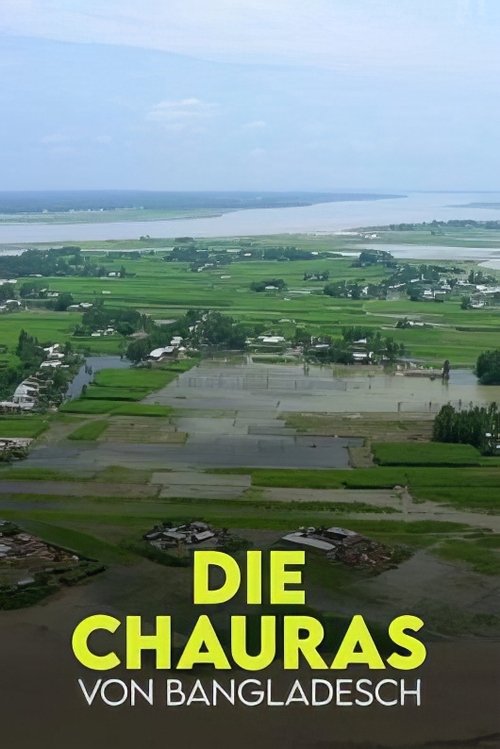
"Here was our home," says farmer Rahim Shorkar, and points to the water. “There were streets, schools and concrete buildings. We had everything." The river brings rich sediments that make the land fertile, but the Jamuna's generosity comes at a cost. Islands - known as chars -…
No cast information available.
The Hoolock Gibbons of Bangladesh have been brought to the brink of extinction by the relentless destruction of their forested habitats throughout the country, even in the most highly protected forest reserves. This species used to number in the tens of thousands, but are now down to the last 200 or so.
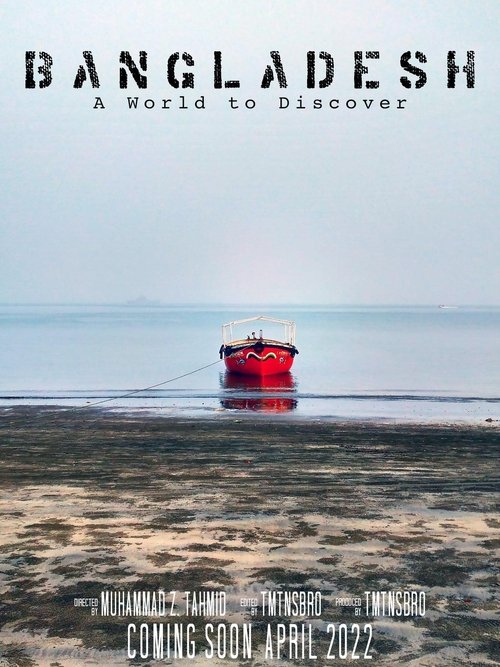
From the poor to the richest Bangladesh has it all. Let us discover how people are living in Bangladesh. First, in our journey, we head to the heart of the country Dhaka, Bangladesh, and talk to the founders of some very successful companies. Then let's move on the range of families that lives on less than $5 per month. Let's head to the lowest part of Bangladesh Cox's Bazar. People who live there are one of the toughest living people alive. Well, Bangladesh has all types of people so let's discover them and the history and culture that is involved.
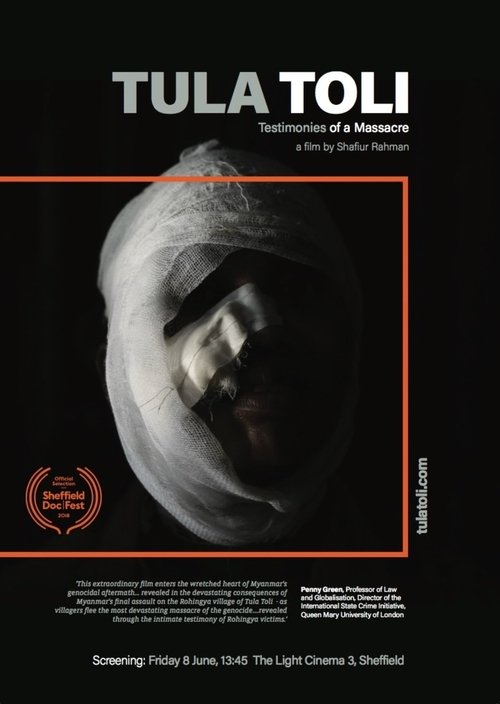
Filmed along the Myanmar-Bangladesh border and within Rohingya refugee camps, Shafiur Rahman’s documentary on the 2017 Tula Toli massacre exposes chilling interviews and evidence of Myanmar military’s premeditated atrocities. The film documents mass killings, sexual violence, and the systematic destruction of the village of Tula Toli, highlighting a humanitarian crisis that forced over half a million people—many of them children—to flee in an exodus of historic scale.
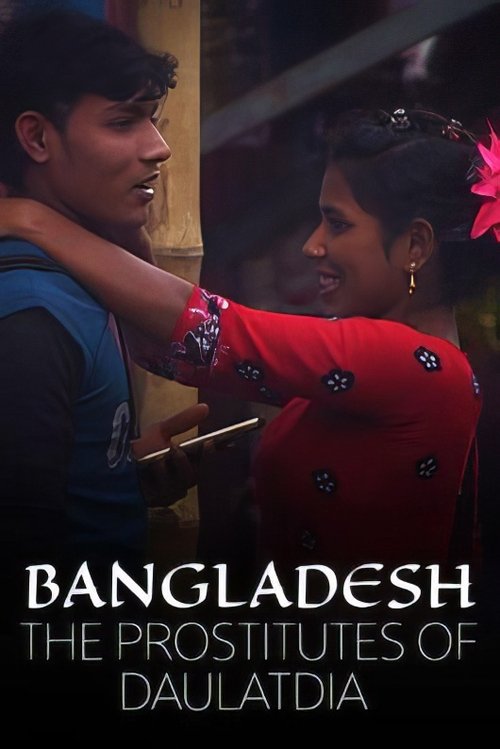
Daulatdia is an entire village in Bangladesh dedicated to prostitution. Every day, 1,600 trafficked, enslaved and abandoned women and girls sell themselves for £2 a time. In the midst of the trade live 300 children, many born in the village. Some will be groomed to be the future of the business like their mothers and grandmothers. With education programmes and support provided by Save The Children, a few may find their way out.

In short episodes Handmade in Bangladesh tells the stories of average working people who live in a rich cultural heritage of artisan handicraft and creativity. They invent many ways of recycling in order to make a living out of basically nothing, looking at it from the perspective of the affluent West, in the sense that “One man’s trash is another man’s treasure.” In this way Handmade in Bangladesh offers an alternative point of view to the often one-sided, negative media image of this young, independent country.

A film about the first benefit rock concert when major musicians performed to raise relief funds for the poor of Bangladesh. The Concert for Bangladesh was a pair of benefit concerts organised by former Beatles guitarist George Harrison and Indian sitar player Ravi Shankar. The shows were held at 2:30 and 8:00 pm on Sunday, 1 August 1971, at Madison Square Garden in New York City, to raise international awareness of, and fund relief for refugees from East Pakistan, following the Bangladesh Liberation War-related genocide.
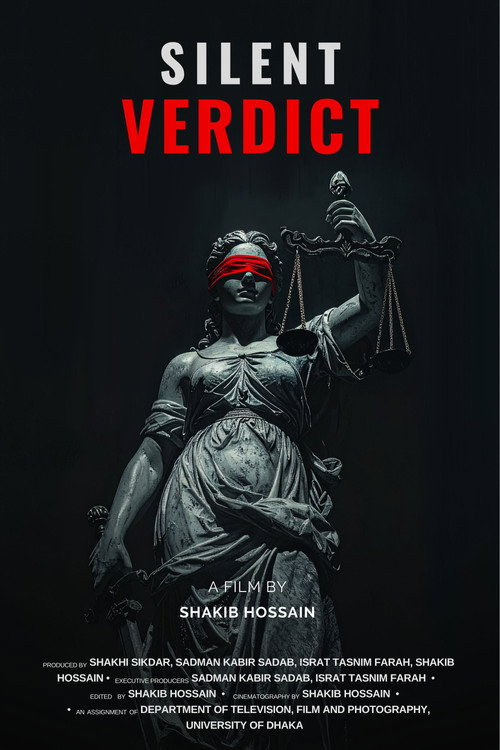
Silent Verdict is a hard-hitting human rights documentary that exposes the injustice surrounding rape cases in Bangladesh. Through powerful re-enactments and survivors’ own testimonies, it revisits five infamous cases that shook the nation yet remain unresolved. Legal experts and doctors reveal the deep loopholes in law and medicine that fail victims, while data and research underscore the scale of the crisis. Balancing stark revelations with a vision for change, Silent Verdict is both an unflinching confrontation of truth and a call to action for justice.
Using film footage shot by the Genevese film director, Fernand Reymond, in Bangladesh in 1972, this documentary film describes the cyclone prevention programme drawn up by the governmental authorities and the League of Red Cross Societies. It particularly depicts the cyclone warning system set up to protect the population. (League Film Library Catalogue Supplement No. 2, p. 39)