Loading titles…
Documentary
Face it: We're fat. With 66 percent of U.S. adults either overweight or obese, our girth is a serious public health issue. Yet many of us still view being overweight as a character flaw, a lack of self-control, or even a moral crime. FAT: What No One Is Telling You explores…


Narrator

One in three Americans is pre-diabetic. A huge percentage of them do not know that they are sick. Adult onset diabetes is no longer an illness for the obese and elderly. Millions of Americans who regularly exercise and eat a diet recommended by the USDA are classified as "skinny-fat". The connection between the standard American diet and numerous metabolic disorders is now an unspoken fact in most medical circles

Founder of Wellness Engineering and New York Times Bestselling author Jonathan Bailor shares how personal tragedy led him to dedicate his life to finding a better way to eat, think, and live that reverses the causes and symptoms of diabetes and obesity (Diabesity). Featuring expert interviews on-location at Harvard Medical School with Dr. David Ludwig, Dr. JoAnn Manson, Dr. Kirsten Davison, and Dr. John Ratey, along with intimate testimonials of everyday Americans, we see the pain and struggle of the old-fashioned and ineffective “calories in, calories out” model, expose the lies that led to it, and provide a proven, practical, and pleasurable alternative. BETTER culminates in offering a proven path toward better living by introducing revolutionary methods to lower the body weight “Setpoint” through simple, evidence-based solutions that everyone can use to optimize their current diet to prevent and reverse many of today’s most common diseases.

Fasting may serve as the solution to solve our epidemic of chronic illnesses today. However, most think of only one method of fasting when they hear the term ‘fasting.’ This documentary explores 7 different methods of fasting including Time-Restricted Feeding, Intermittent & Prolonged Fasting, Long-Term Water Fasting, Religious Fasting, Eating Disorders, Improvising or Fasting Unsafely, Fasting Mimicking Diet, and Juice Fasting. The film interviews 54 people including the world’s leading scientists and medical professionals on fasting, as well as individuals who used fasting to treat obesity, diabetes, cancer, cardiovascular problems, skin problems, high blood pressure, chronic headaches, joint pain, and many others. This feature motion picture is the most comprehensive and objective look at fasting on film.

Obesity rates in the United States have reached epidemic proportions in recent years. Killer at Large shows how little is being done and more importantly, what can be done to reverse it. Killer at Large also explores the human element of the problem with portions of the film that follow a 12-year old girl who has a controversial liposuction procedure to fix her weight gain and a number of others suffering from obesity, including filmmaker Neil Labute.

This documentary follows a small number of British people with an incurable genetic disease called Prader-Willi syndrome. This rare disorder makes the sufferer unable to control their eating habits. Prader–Willi syndrome is a rare genetic disorder in which seven genes (or some subset thereof) on chromosome 15 (q 11-13) are deleted or unexpressed (chromosome 15q partial deletion) on the paternal chromosome. The film is set in Gretton House, near Kettering in England, which is a government-funded care home deliberately constructed to assist people with PWS. The film focuses on a new resident, Joe Blackburn, who is 21 and begins the documentary weighing over 30 stone (190 kg, 420 lbs) and with fears for his health. Resident Tamara Allwood is also featured, who was at one point close to death from overeating.
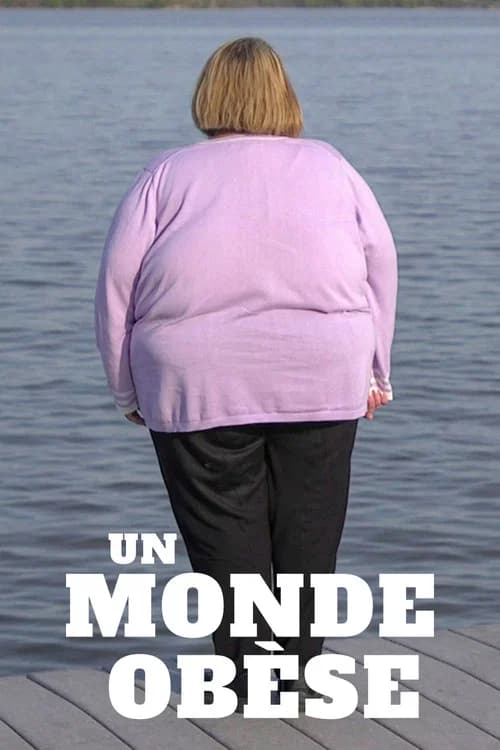


Today, one third of Brazilian children are overweight. This is the first generation to introduce diseases previously restricted to adults, such as depression, diabetes and cardiovascular problems. This documentary examines the case of childhood obesity in the country especially, but also in other countries in the world, interviewing parents, school representatives, and government officials responsible for food advertising.