Loading titles…
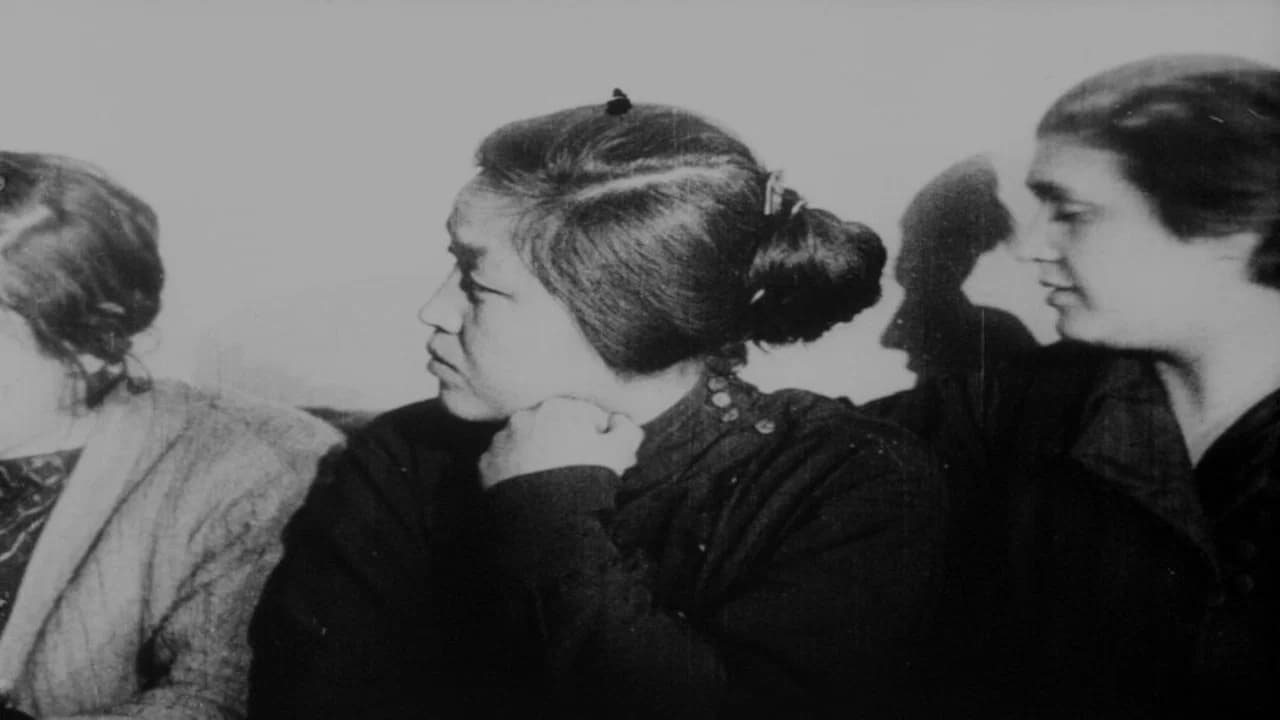
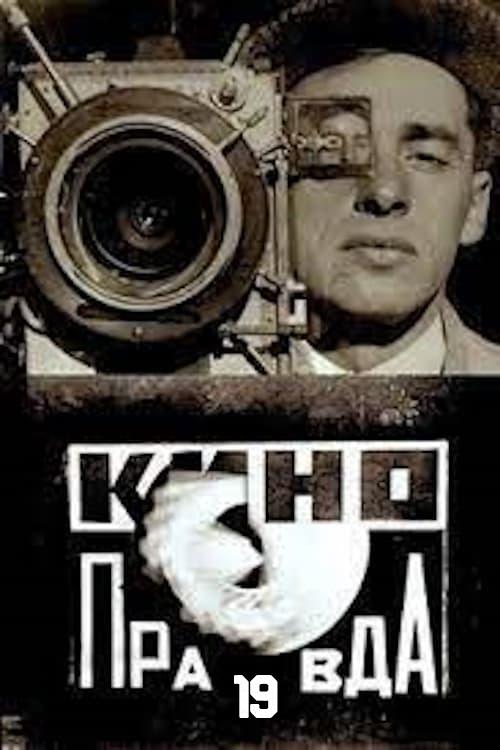
Dziga Vertov-directed Soviet newsreel covering: Connecting city and country, south and north, summer and winter, peasant women and worker women / Emancipation of women in the USSR
No cast information available.
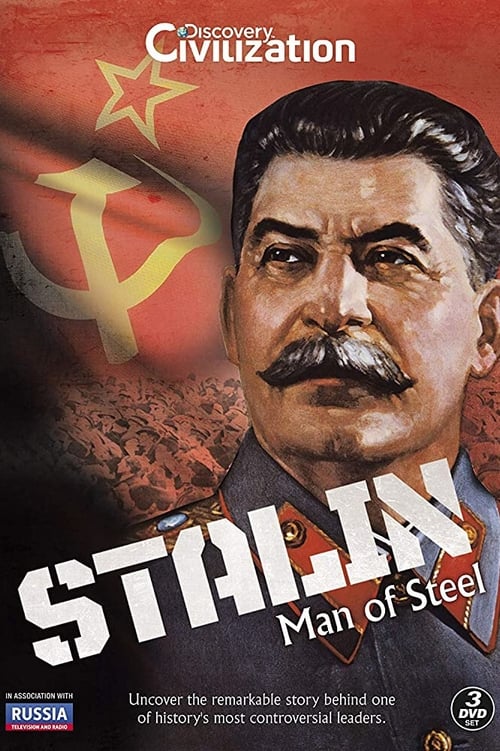
Emmy Awards nominee for "Outstanding Individual Achievement in a Craft: Research: Multi-faceted portrait of the man who succeeded Lenin as the head of the Soviet Union. With a captivating blend of period documents, newly-released information, newsreel and archival footage and interviews with experts, the program examines his rise to power, deconstructs the cult of personality that helped him maintain an iron grip over his vast empire, and analyzes the policies he introduced, including the deadly expansion of the notorious gulags where he banished so many of his countrymen to certain death.
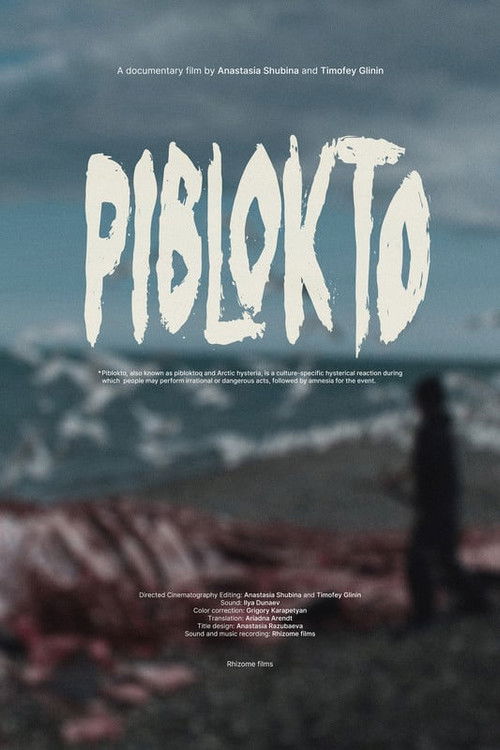
On the coast of the Arctic Ocean of Chukotka live people cut off from the world. Their life revolves around hunting walruses and whales and protecting villages from bears coming from the tundra. This turns the film into a reflection on death. Marine animals become the food of people, animal leftovers are used to feed arctic foxes on a fur farm, human cemeteries become prey for bears. It seems that all the inhabitants of these places are involved in the cycle of food and death. The film departs from the usual rhythmic structure of cinema, being built on the principle of a shamanic ritual, a meaning-forming event for northern peoples.

Railman is a film concerned as much with the distribution of roles within the film collective as with getting “as close as possible to the life and routines” of an NUR station master. Filmed at Grove Park Station, Lewisham, in south east London, and set against the backdrop of state divestment in transport infrastructure, Railman might be regarded as a modest and experimental corrective to officially sanctioned British Transport Films.
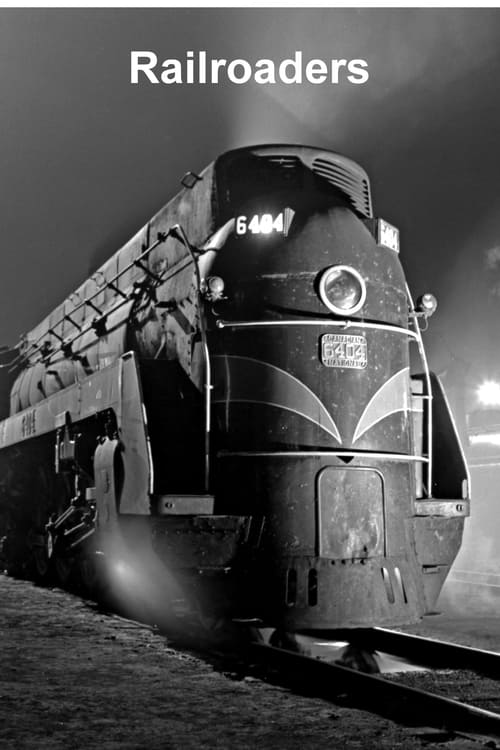
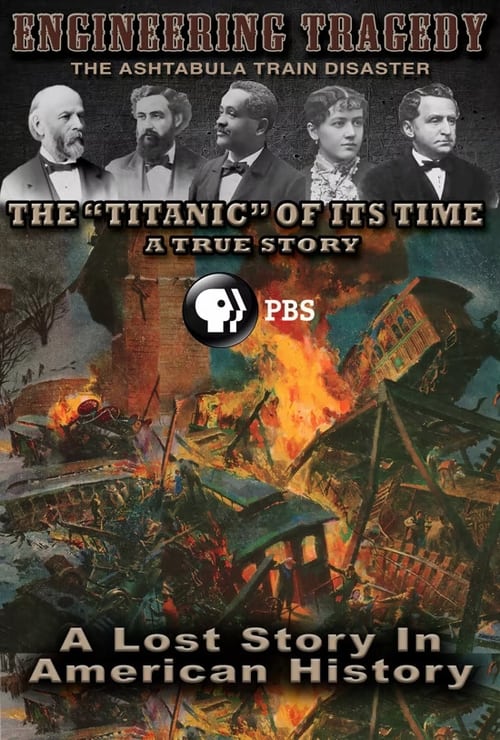
The Ashtabula train disaster and bridge collapse was the worst train disaster of the 19th century, claiming the lives of 97 people. The engineering and structural failures that caused the collapse of a bridge that stood for over a decade, also took down the most luxurious train of the day, “The Pacific Express #5.” The accident happened in Ashtabula, Ohio on December 29, 1876 during a raging blizzard, sending the luxury train crashing 70-feet into a river gorge and costing the lives of 97 people. The disaster shocked the nation, yet it’s a story that’s been lost in the pages of history. In a strange twist of fate and intrigue, the bridge disaster also became the backdrop to the still unsolved murder of Charles Collins, the railroad’s chief engineer. It also contributed to the eventual suicide of millionaire Amasa Stone, the president of the railroad and the designer and builder of the bridge.
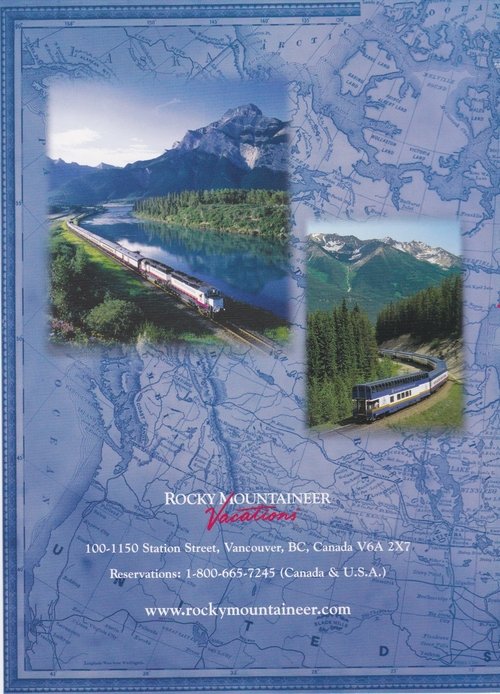
Discover the world's most luxurious trains and relive a bygone era, when the journey was an experience in itself, aboard the opulent carriages of the world's railways. A voyage where the passenger becomes a real traveller, steeped not only in the natural, stunning beauty of the surroundings but also in the romance and opulence associated with the golden age of rail. A classic rail adventure experiencing the thrills of crossing the Canadian Rockies. Torrential waterfalls, soaring eagles and the contrast of sapphire blue lakes and snow-capped peaks are spectacular and can all be viewed from either the magnificent bi-level dome car or the observation carriage. The unmatchable comfort and elegance of the Goldleaf service brings to life the era when the railways were the "only" way to travel.