Loading titles…
Sael
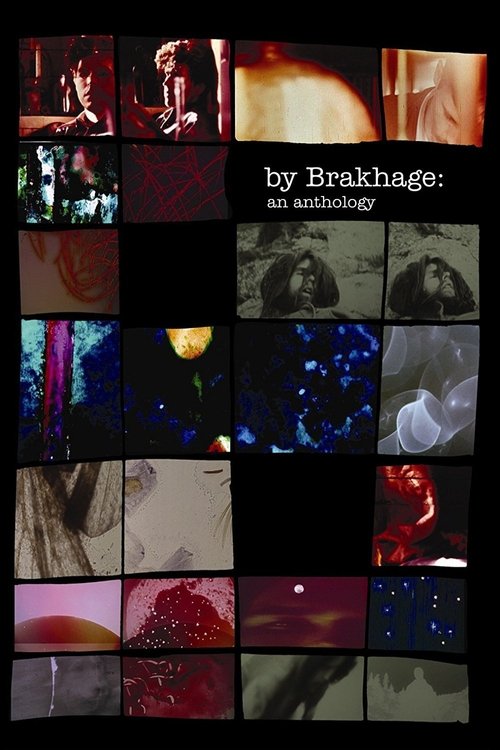
Working completely outside the mainstream, the wildly prolific, visionary Stan Brakhage made more than 350 films over a half century. Challenging all taboos in his exploration of “birth, sex, death, and the search for God,” he has turned his camera on explicit lovemaking, childbirth, even autopsy. Many of his most famous works pursue the nature of vision itself and transcend the act of filming. Some, including the legendary Mothlight, were made without using a camera at all, as he pioneered the art of making images directly on film, by drawing, painting, and scratching.

Tanti, an 18 year old traditional dancer who is sensitive and often lonely, discovers the true meaning of dance under the guidance of her wise teacher, Candramaya. She learns that dance is not merely a series of movements, but a language of the soul, where stories of life, love, struggle, and hope flow through every graceful step.
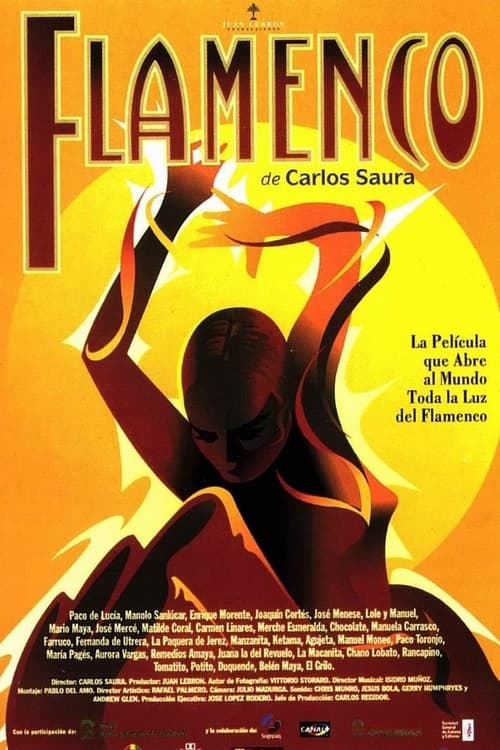
The film presents thirteen rhythms of flamenco, each with song, guitar, and dance: the up-tempo bularías, a brooding farruca, an anguished martinete, and a satiric fandango de huelva. There are tangos, a taranta, alegrías, siguiriyas, soleás, a guajira of patrician women, a petenera about a sentence to death, villancicos, and a final rumba.
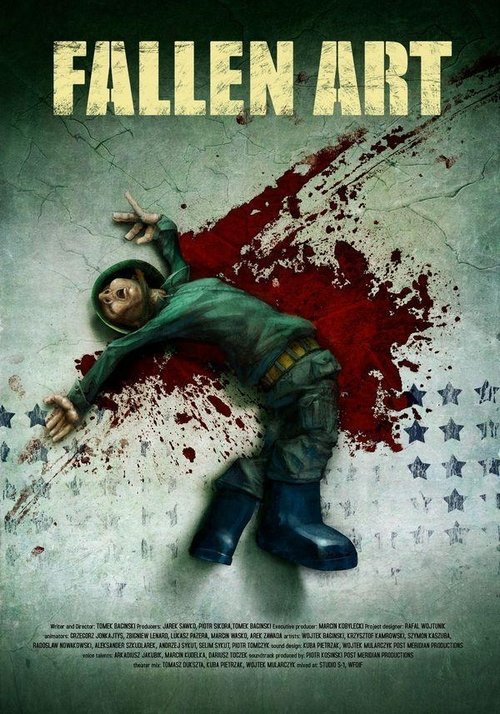
Fallen Art presents the story of General A, a self-proclaimed artist. His art, however, consists of a deranged method of stop motion photography, where the individual frames of the movie are created by photographs made by Dr. Johann Friedrich, depicting the bodies of dead soldiers, pushed down by Sergeant Al from a giant springboard onto a slab of concrete.