

Loading titles…
Documentary
Ismael, Hindu and Bachir are three Sahrawis living in Gran Canaria (Canary Islands). They tell us about their lives away from their home country (Western Sahara), their own personal history and experiences... and the challenges they face in an island they consider something of a…
No cast information available.

The political upheaval in North Africa is responsibility of the Western powers —especially of the United States and France— due to the exercise of a foreign policy based on practical and economic interests instead of ethical and theoretical principles, essential for their international politic strategies, which have generated a great instability that causes chaos and violence, as occurs in Western Sahara, the last African colony according to the UN, a region on the brink of war.
The history of Western Sahara was cut short more than 40 years ago. One, two and almost three generations have seen their life expectations and those of their children frustrated, powerless in the face of the impunity with which Morocco continues to occupy their territory. Through the life of Hask, a Sahrawi who has been living in Spain since he was 12 years old, the story of people who live in a borrowed desert far from their home is told.

Western Sahara is a country full of stories. We chose to focus on the Sahrawi women living in Spain, where they have taken up careers in different areas: doctors, nurses, teachers, artists, lawyers, writers. We coexist with them. Some are Muslim, others have strayed away from their original culture, although they remain persistent on defending the most ancestral parts of their traditions. It is a gaze through the exiled Sahrawi woman’s eyes.

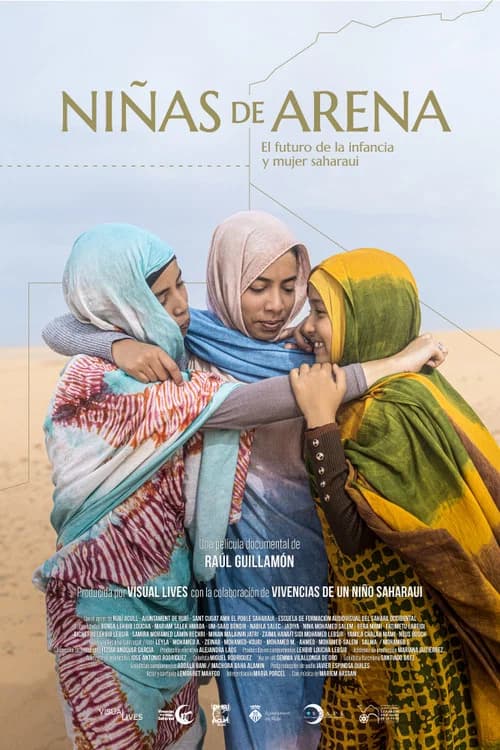
Benda, a young Sahrawi woman in the diaspora wonders about the future of her people's children and women. We accompany her on an emotional journey to the refugee camps to see the more human face of the conflict. The film leaves the political as a mere context to focus on the dreams and drama of a people determined in their struggle to return home.

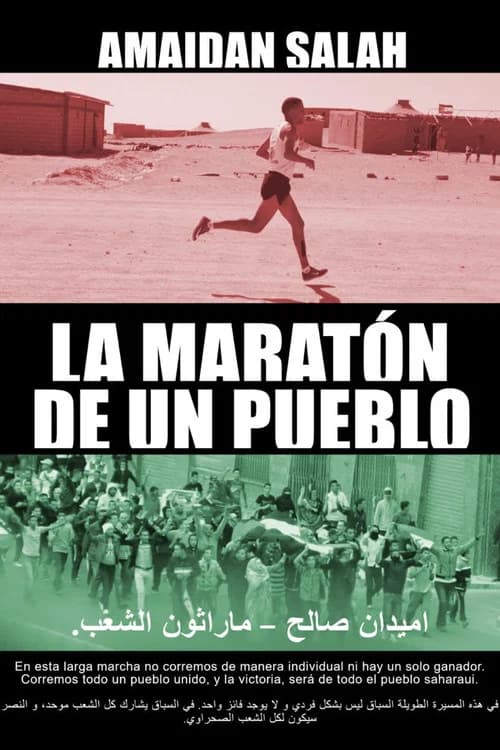
Inma (24) is determined to win a marathon in the Sahara Desert. But her motives run deeper than the physical challenge. A few months ago, she came across adoption papers that revealed the birthplace of her biological mother: Laayoune, Western Sahara. Having never heard of the country, she decides to train for an international marathon that takes place in the Sahrawi refugee camps in Northern Africa. It is the perfect opportunity for her to learn about a history she never faced growing up in Spain.
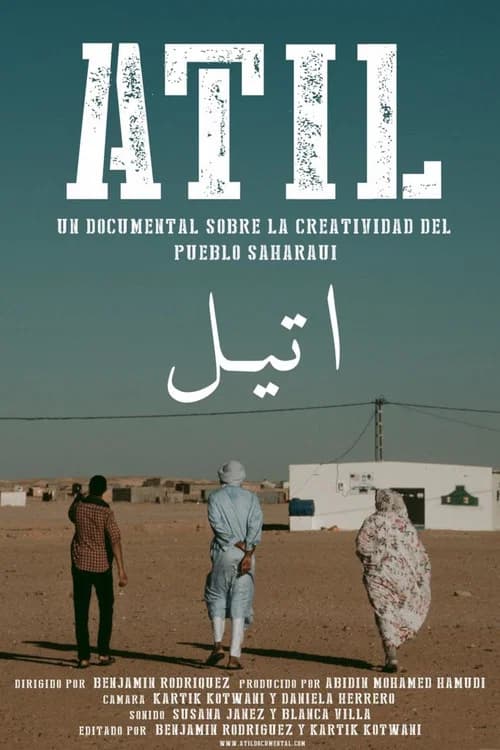
Atil, a documentary on the life of the Saharawis in the Tindouf refugee camps in Algeria. In the camps there are no limits, since creativity and innovation give rise to ideas that succeed in changing the world. As a result, this documentary presents five young Saharawis who show day by day that anything is possible, despite the difficulties. They are all examples of perseverance. Discover a place where hope is never lost.

Bidun Hawiya is a documentary short film that intends to make society reflect on the Sahrawi people’s loss of identity, as they are forced to obtain a document in order to have access to certain essential rights. Not only does the Spanish government make the entry of a population that used to be Spanish very difficult, but it also intends to use these peoples’ identity to bury a situation that has been uncomfortable for them for 41 years, thus solving a problem that won’t be fixed until it has disappeared.
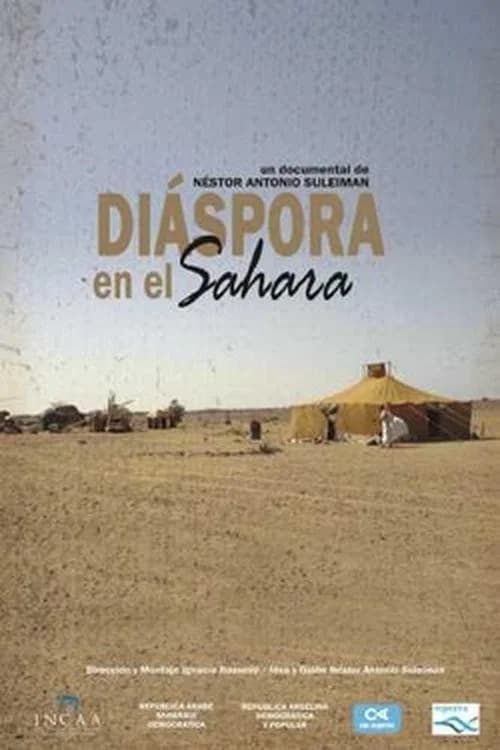
For more than thirty years, tens of thousands of Saharawi have lived in makeshift camps, refugees in the Algerian desert. Because of this situation, children are forced to travel far to complete their studies. Many are trained in Cuba during a period of more than twelve years away from home. This documentary chronicles the daily lives of these students, both in the desert, as in Cuba, in a round trip full of contrasts.