Loading titles…
Documentary
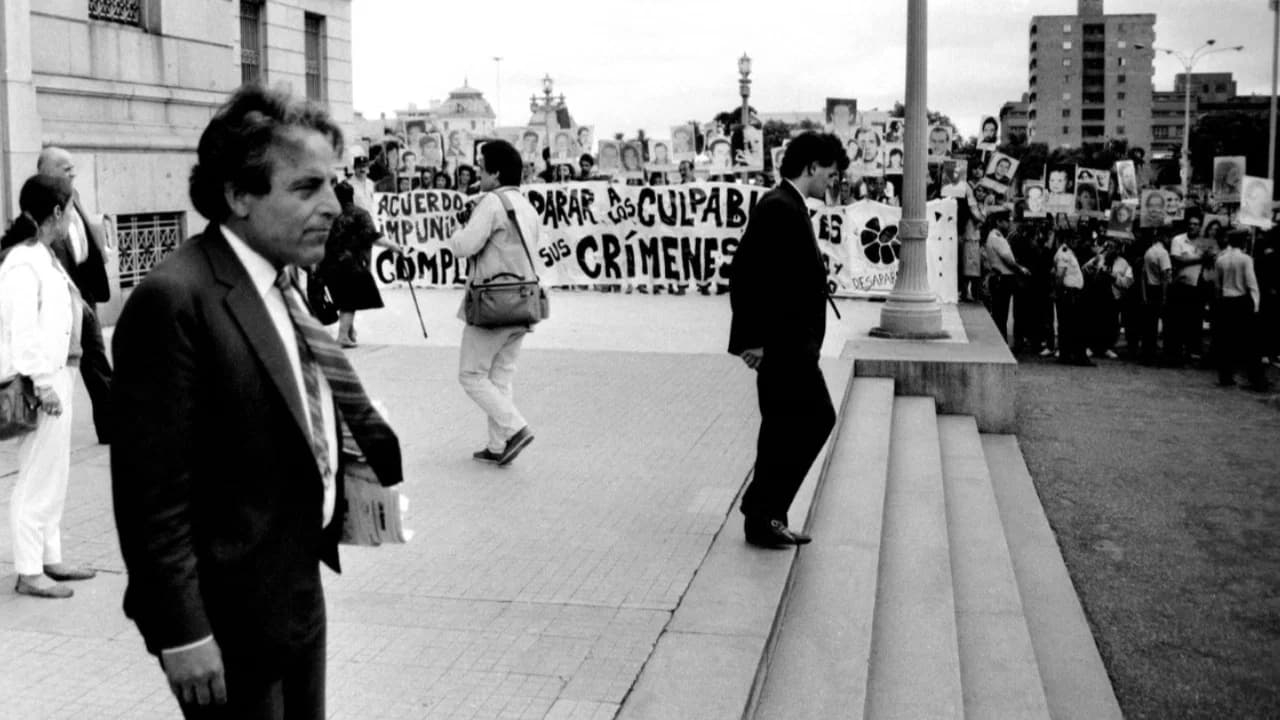
In Germán Araujo, director Aldo Novick revives the memory of a journalist who defied censorship during one of Uruguay's darkest periods. Through previously unseen archival footage, testimonies, and music, the film honors the courage of those who reported the truth when it was…

Himself (archival footage)

Himself (archival footage)
Himself / Narrator

Ten years after winning a world title in bodybuilding in Russia and becoming a star of said discipline in Mexico, Antonio Osta (43) leads a life of austerity in the Uruguayan rural town where he grew up. He resides there with his son Juanjo (17), a sensitive teenager who keeps him company and confronts him openly. Suffering from acute kidney disease which keeps him from competing professionally, Antonio is stuck in limbo, halfway between his glorious past and the impossibility of being who he once was. However, he is unwilling to give up his lifestyle, even if it kills him. In an attempt to reinvent himself, and seeking a better future for his son, Antonio plans a comeback to the Mexico bodybuilding scene, where he may relive his glory days.


When the revolution in Nicaragua won its victory nearly 40 years ago, the world began to dream. A young generation was taking the reins in a country of grand utopias. From West Germany alone, 15,000 “brigadists” travelled to help rebuild the war-torn country: liberals, greens, unionists, social democrats, leftists and church representatives harvested coffee and cotton, built schools, kindergartens and hospital wards. No movement has mobilised so many people. What became of the hopes and dreams of the revolutionaries and their supporters?


A documentary about the activities carried out by the Group of Relatives of Disappeared Detainees: We see presentation of writs of protection, reports, criminal actions, hunger strikes, pacific protests, public acts. The place where minors, the children of missing detainees, are rehabilitated is also shown. Finally, an account about some members in the group is given before international Human Rights organizations.
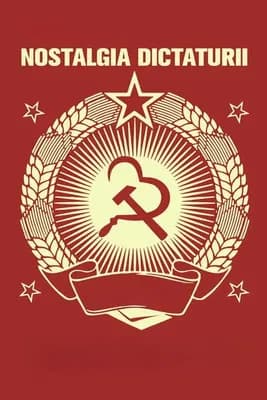
Several decades after the collapse of the communist system, nostalgia for the former regime has reached unimaginable proportions in almost all former communist European countries. The documentary Nostalgia for Dictatorship does not limit itself to presenting this genuine syndrome of "longing for dictatorship", but, in parallel with the opinions and motivations of ordinary citizens living in the former communist space, it advances explanations by researchers from various fields, sociologists, psychologists, political scientists, ethologists, etc., regarding the intimate motivations of such a paradoxical feeling.