Loading titles…
Documentary
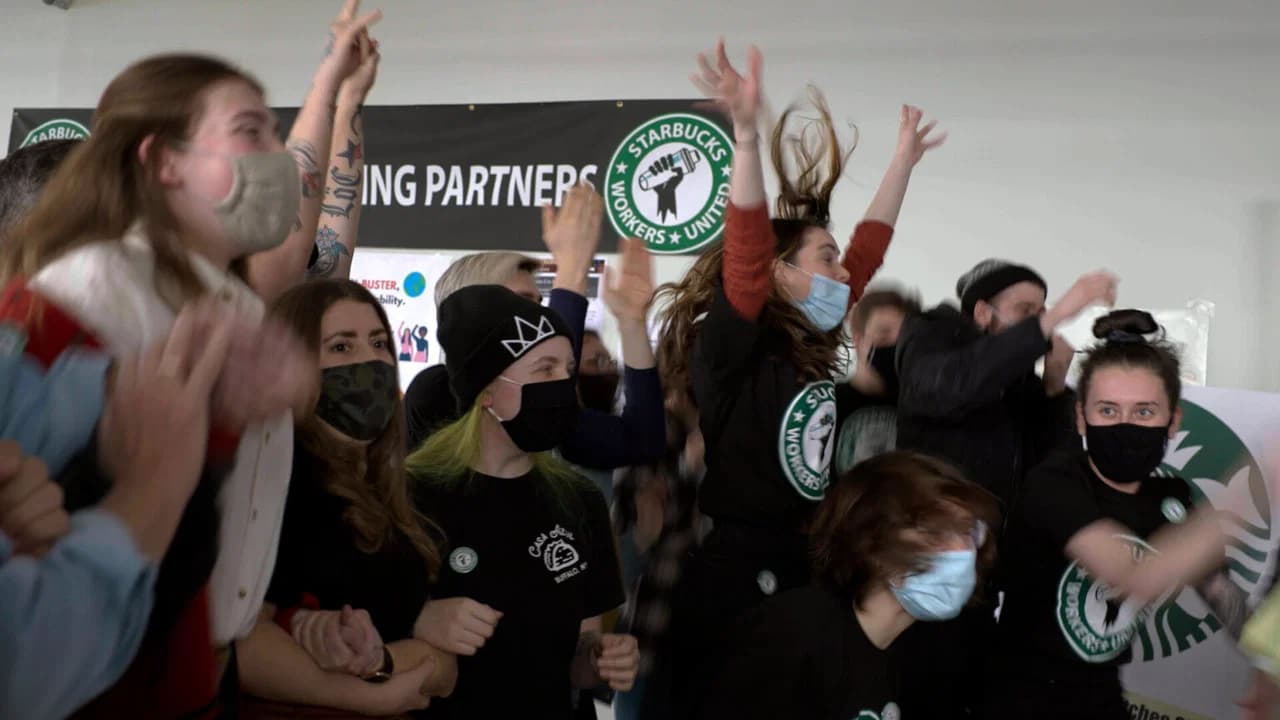
When a group of baristas in Buffalo, New York announce their intention to start a labor union, Starbucks responds with an elaborate, illegal anti-union attack. Featuring on-the-ground footage from workers and organisers, Partners takes us to the front lines of the historic union…

Cast
Cast
Cast
Cast
Cast
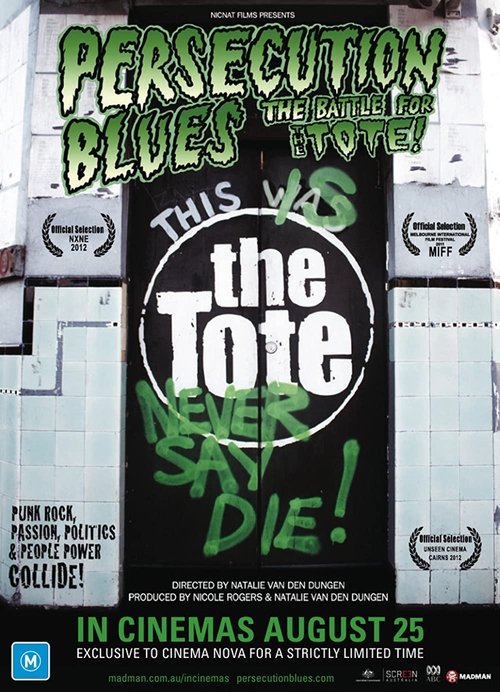
In 2010, the iconic Tote Hotel – last bastion of Melbourne’s vibrant music counterculture – was forced to close by unfair laws. Filmed over 7 years, “Persecution Blues” depicts the struggle of more than 20,000 fans – and the bands who inspire them – to preserve their history and protect their future, and puts the audience on the front line of an epic-scale culture war.
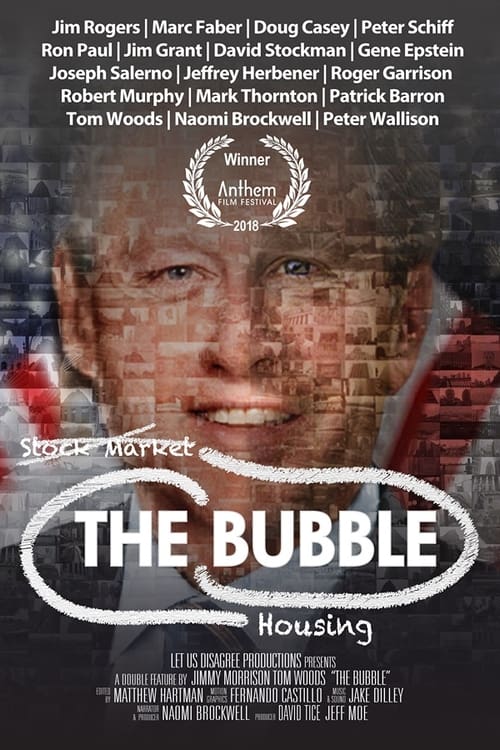
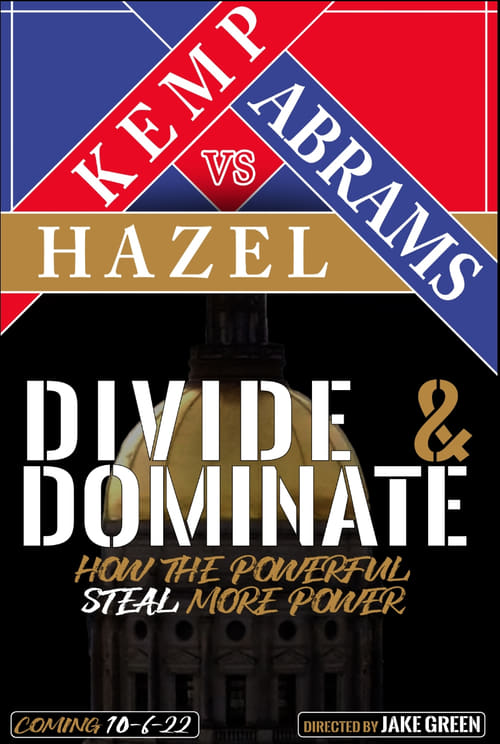
Money, Media, and Legislation. Using these three means, your livelihood is being subverted and coopted by politicians and their cronies... and it's only getting worse. This documentary gives you a front row seat to the methodically planned and perpetual corruption of our "democracy." It's about time we fought back. Go to peacefulseaproductions.com to learn more and explore our other films and media. Featuring: Shane Hazel Spike Cohen Angela McArdle Gerred Bell Martin Cowen Narrated by Robbie Bernstein Produced & Directed by Jake Green Produced by Nikki Tomlinson Animator: Greg Fisher Composer: Geoffrey Burch Title and Credits Songs by Casey Sabol Additional Music by Jay Denton & ENDURE Studios
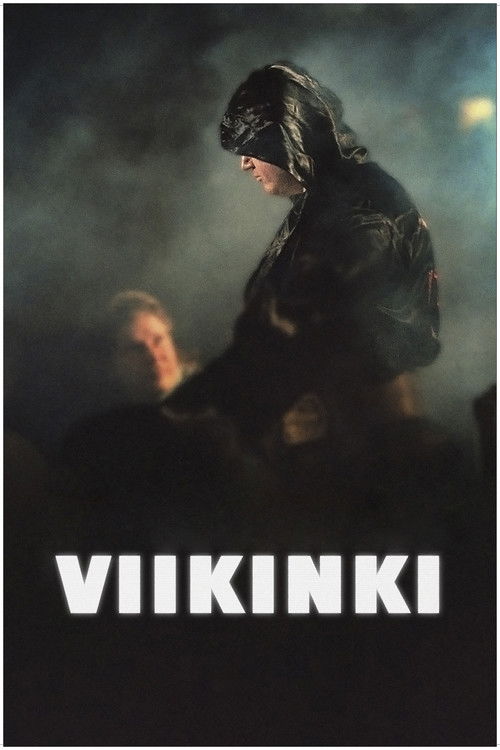
Documentary film about Tony Halme, masculinity and populism. The film follows how Tony Halme created a mythical, highly masculine freestyle wrestling character, The Viking, who gained fame both in the ring and in the public eye and eventually became captivated by it. With his brash speeches, Halme fired the starting shot for the rise of the Finns Party. The voice of a forgotten section of the population, a protest against the ruling elite, were the building blocks of Halme's popularity. Halme's great popularity has served as a good example of a populist figure, admired within the deep ranks of the nation, who comes from outside the political elite and changes the direction of politics. Also, despite - or perhaps because of - his openly racist statements, he was part of changing the political climate in Finland to a more acrimonious one.
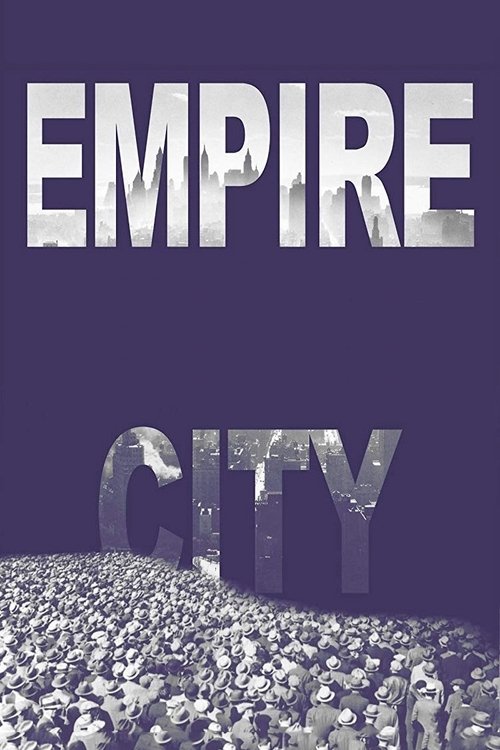
A film essay contrasting the modern metropolis with its "golden age" from 1830-1930, with the participation of some of New York's leading political and cultural figures. Made at a time when the city was experiencing unprecedented real estate development on the one hand and unforeseen displacement of population and deterioration on the other. Empire City is the story of two New Yorks. The film explores the precarious coexistence of the service-based midtown Manhattan corporate headquarters with the peripheral New York of undereducated minorities living in increasing alienation.
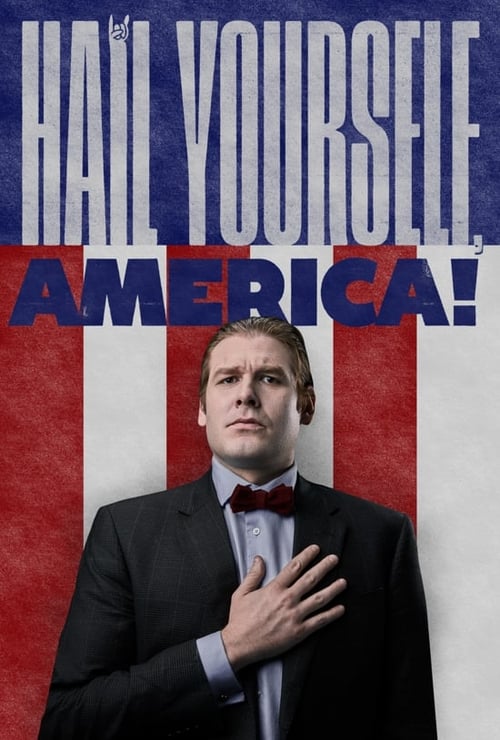
In 2017, podcaster and comedian Ben Kissel ran for Brooklyn Borough President to stand up for his neighborhood. Facing New York City's political establishment, Ben and his team documented the campaign to show that even in the country's largest city, a "tall man for the small man" can make a big difference!

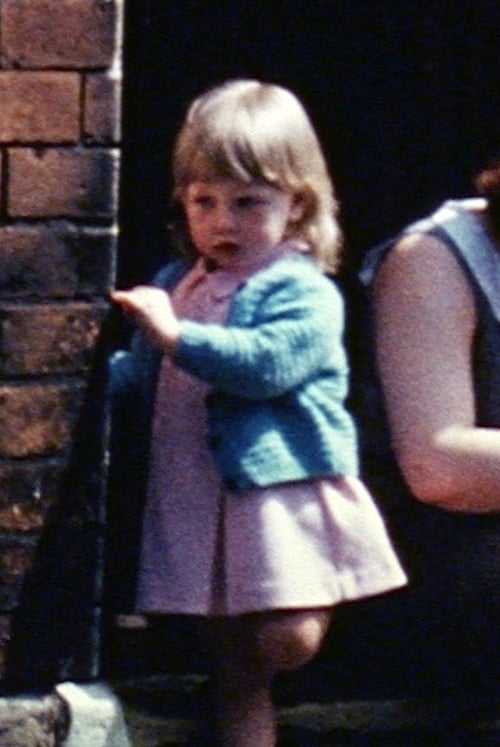
Between 1968 and 1970, J M Goodger, a lecturer at the University of Salford, made a film record of the living conditions in the slums of Ordsall, Salford, which were then in the process of being demolished. Under the title 'The Changing face of Salford', the film was in two parts: 'Life in the slums' and 'Bloody slums'.
This documentary focuses mostly on the 1930’s to 1950’s – arguably the most important period in modern American history. These decades included the Great Depression, the peak of labor militancy in 1937 (probably the closest the US has come to a popular revolution since 1787), the rise of the “guest worker” phenomenon, the counter-attack against labor unions, the creation of the military industrial complex, the rise of the FBI, the foundations of the civil rights movement, and the purging of radicals from organized labor and public life.
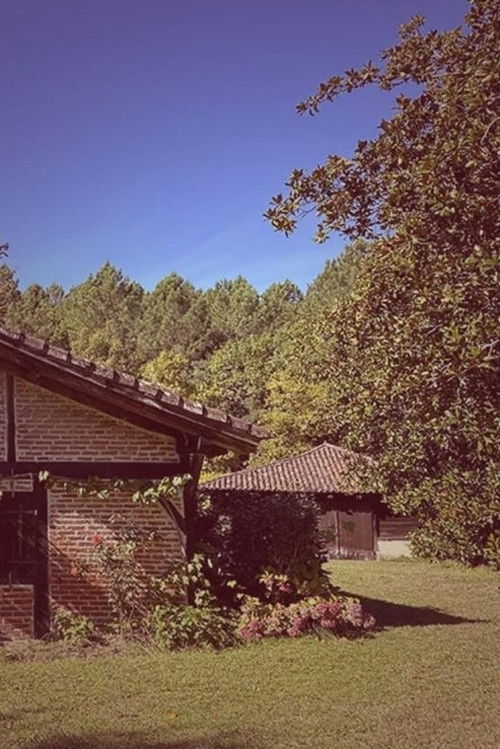
Home to the Mitterrand family since 1965, Latche was the former president's base for three decades. Family, friends, and world leaders gathered there for walks, hours of conversation, and some of the defining moments of the century. There, he was a different François Mitterrand, absorbed by the "spirit of the place," far from the trappings of the Republic. An intimate space, Latche was also a political territory open to the world, a powerful diplomatic asset serving the ambitions of its owner.