



Loading titles…
No cast information available.

Between the nostalgia of resurfacing roots and the desire to venture into song to experience a rebirth, Nicolas Maury reveals himself unguarded before Didier Varrod, with a deeply moving sincerity. Nicolas Maury released his first album, La porcelaine de Limoges, in January 2023—a new experience for this unique, demanding, and multifaceted actor. It is an opportunity to paint an intimate portrait of him through an extended interview on a train between Paris and Limoges. In this specific setting, which was also that of his first (silent) film role with Patrice Chéreau in Those Who Love Me Can Take the Train, Nicolas discovers archives and hears from close acquaintances who speak about him. A documentary film, like a kind of initiation rite, it moves back and forth between memories of France and childhood, and his condition as a man and artist today, taking on a new identity through music.

On 12 June 2000, in Rio de Janeiro, Ônibus 174 was taken by an armed young man, threatening to kill all the passengers. Transmitted live on all national networks, this shocking and tragic event became one of violence's most shocking portraits, and one of the most terrifying examples of police incompetence and abuse in recent years.
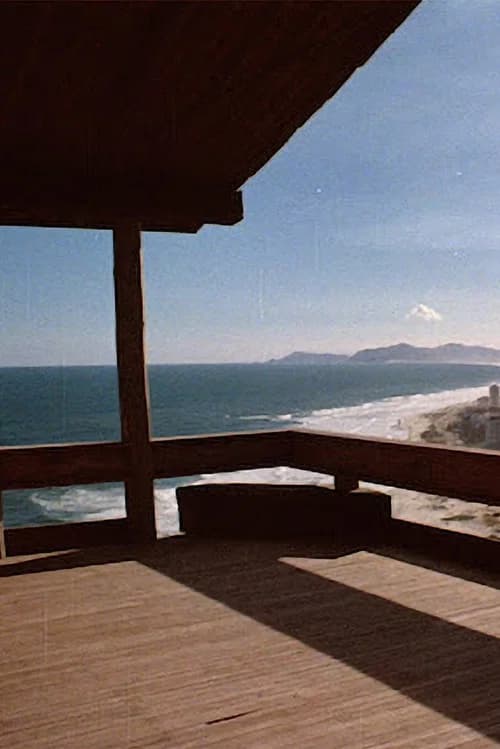
We start in Rio de Janeiro, with the statue of Cristo Redentor on Mount Corcovado, the avenue along the beach, the beauty of an historic city, and the landmark, Sugarloaf. Brazil's 47 million people celebrate racial diversity. From the Copacabana, we travel 40 miles to a resort, Quitandinha, where President Truman spoke. Then it's on to Sao Paulo, a modern, industrial city, and finally to the spectacular waterfalls of Iguazu on the border between Brazil and Argentina.


