

Loading titles…
Documentary
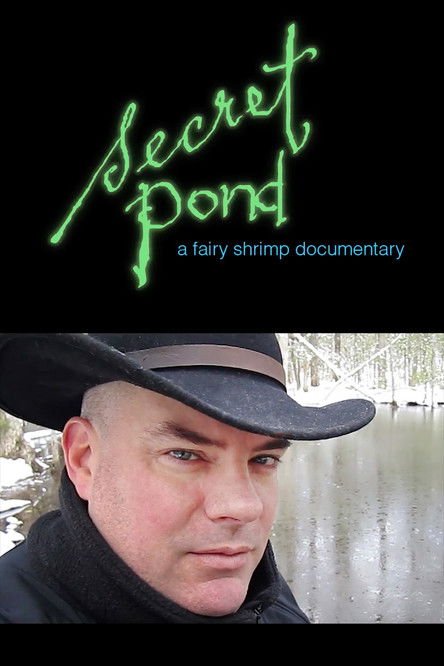
One child's fascination with playful aquatic pets turns into a lifelong search for those tiny animals in the wild. After a thirty-year journey, he is finally shown a secret location in a small woodland pool where ancient "fairy shrimp" live. Together with his brother, Mark,…
Cast
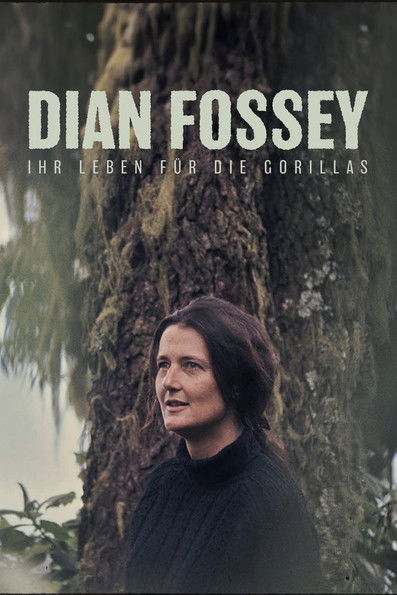
She was the first to study gorillas in their natural environment: the high mountains of Rwanda, where she settled in 1967. For nearly twenty years, Dian Fossey lived with the gorillas, observed their behavior, and changed the way people viewed them. Her relentless fight against poaching prevented the species from becoming extinct. But in December 1985, the primatologist was murdered, and the mystery surrounding her death remains unsolved. Former colleagues, scientists, and biographers shed light on the impact of her work, but also on the darker sides of her personality and her uncompromising commitment.
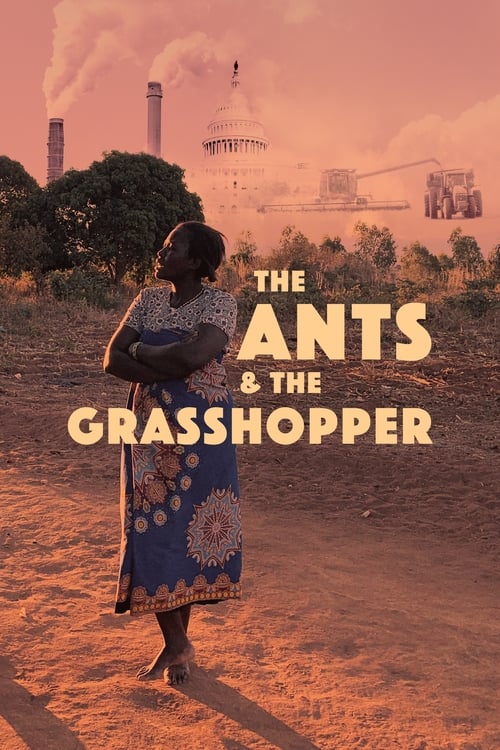
Anita Chitaya has a gift: she can help bring abundant food from dead soil, she can make men fight for gender equality, and maybe she can end child hunger in her village. Now, to save her home in Malawi from extreme weather, she faces her greatest challenge: persuading Americans that climate change is real. Traveling from Malawi to California to the White House, she meets climate sceptics and despairing farmers. Her journey takes her across all the divisions that shape the USA: from the rural-urban divide, to schisms of race, class and gender, and to the American exceptionalism that remains a part of the culture. It will take all her skill and experience to help Americans recognise, and free themselves from, a logic that is already destroying the Earth.

Varda focuses her eye on gleaners: those who scour already-reaped fields for the odd potato or turnip. Her investigation leads from forgotten corners of the French countryside to off-hours at the green markets of Paris, following those who insist on finding a use for that which society has cast off, whether out of necessity or activism.
From summer 2021 through Donald Trump's re-election campaign, four Republican insiders wage an uphill battle to transform their party's stance on climate change from within. A young grassroots organizer, a big-city mayor, an Iowa farmer, and an evangelical pastor — each embedded in different corners of the conservative ecosystem — risk alienation from their own communities as they attempt to reframe climate action as a conservative value. As extreme weather intensifies and the 2024 election approaches, they confront a political machine built on denial, testing whether personal conviction can overcome tribal loyalty. This is a deeply personal story about the cost of defying your own side and the haunting question that drives them all: will their efforts be enough before time runs out?
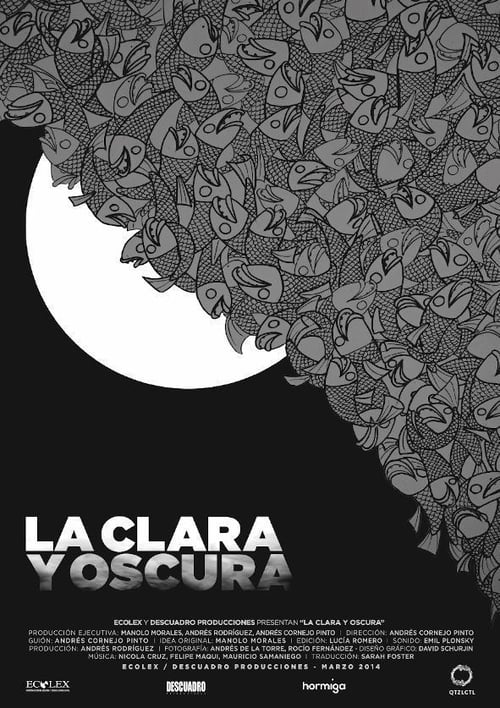
Salango is a small parish south of Manabí. What this land means to Ecuador, however, is huge. Its name is associated with the pre-Columbian legacy of the Manta Wancavilca cultures, the humpback whales that arrive each year to mate, the homonymous island and its coral reefs, the great wealth of marine fauna. It is there, in one of the places with the greatest archeological and environmental heritage of our country, where the Polar fishmeal processor has been operating for 35 years. What does not emerge from the idyllic postcards of the area is the foul smell that pollutes the air, the portrait of people sick from the factory's toxic wastes, the disgusting black smoke that flows into the sea directly from the processor pipeline. That is why it is the struggle of the few members of the community who have not given up and demand that Polar leave.
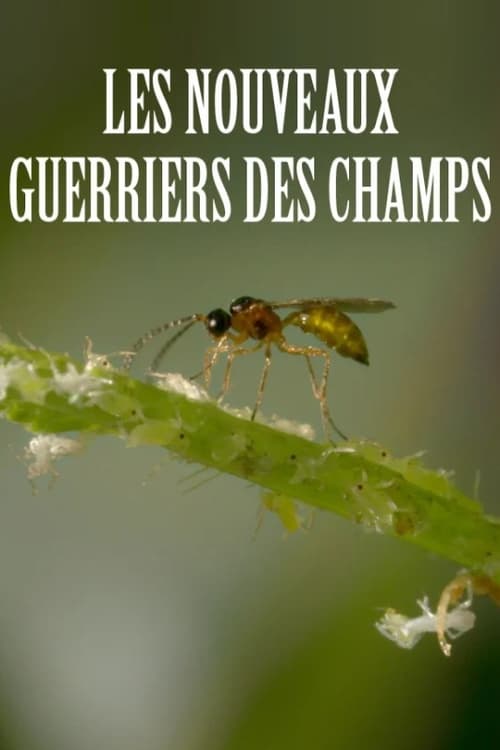
For years, chemical pesticides were considered an efficient method of killing off agricultural pests. However, in the long term, they not only harm the supposed attackers, but also people and the environment. Biological pest control offers an alternative, because who could fight pests more efficiently than their own natural enemies?