
Loading titles…
Crime / Drama / History
On the day of the festival at Takao Shrine in Koshu, a brawl breaks out at a local gambling den run by the boss, Kansuke of Saruya (played by Zo Ozawa). It’s the rowdy members of the Shimizu clan, led by Jirocho (Kinya Kitaoji), who uncover a cheating scheme. The chaos is…


Jirocho Shimizu

Ishimatsu Mori

Ocho

Cast

Cast

Cast

Cast

Cast

Cast

Cast

Cast

Cast

Two lone wolf yakuza (Hideki Takahashi and Kunie Tanaka) rob a gambling den, then split up when pursued by the angry gang. They eventually meet again at Tanaka's mother's rural farmhouse. By then, one-eyed Kobayashi has wrangled his way into the scenario, intending to get a split of the proceeds (since he had helped them get away). Although there is some dissension amongst the three, they eventually close ranks to fend off their stubborn, relentless pursuers. Unhappily, Tanaka’s mother (Chieko Naniwa) is killed in the process. There are also love interests (Yoshiko Machida and Kayo Matsuo) and some humor along the way. An admirably different approach to the formulaic ninkyo yakuza programmer, filmed largely in sweltering summer countryside locations.

It is the Taisho era in Japan. A man has quit the Yakuza after five years and returned to Shikoku in order to begin his life anew as a ferryman. His boss, however, became ill and the boat is taken due to unpaid debts to the local thugs. His new life has not begun well and he is determined to rebuild the shattered business. The Yakuza, however, have added the ferry business to the rest of their portfolio of local concerns.
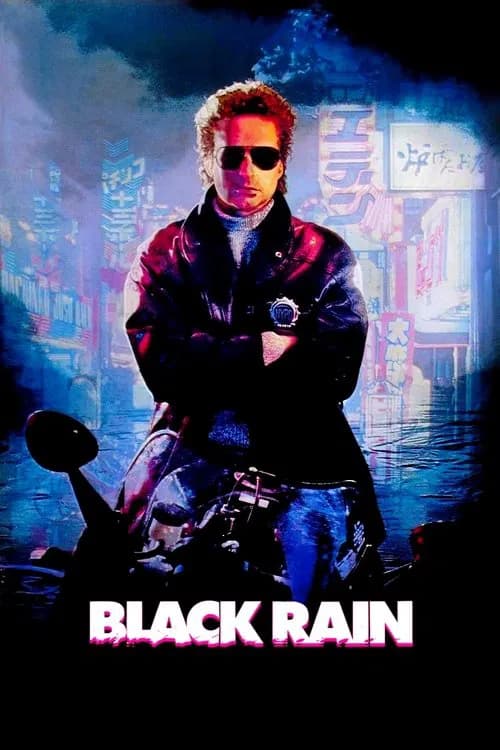
Two New York cops get involved in a gang war between members of the Yakuza, the Japanese Mafia. They arrest one of their killers and are ordered to escort him back to Japan. However, in Japan he manages to escape, and as they try to track him down, they get deeper and deeper into the Japanese Mafia scene and they have to learn that they can only win by playing the game—the Japanese way.

A detective and his partner track down a call girl with information about a drug cartel. After taking her into custody, they are attacked by cartel members. The detective and the woman manage to escape, but they are soon hounded by a professional hitman hired to eliminate them and recover the heroin stolen by the woman.


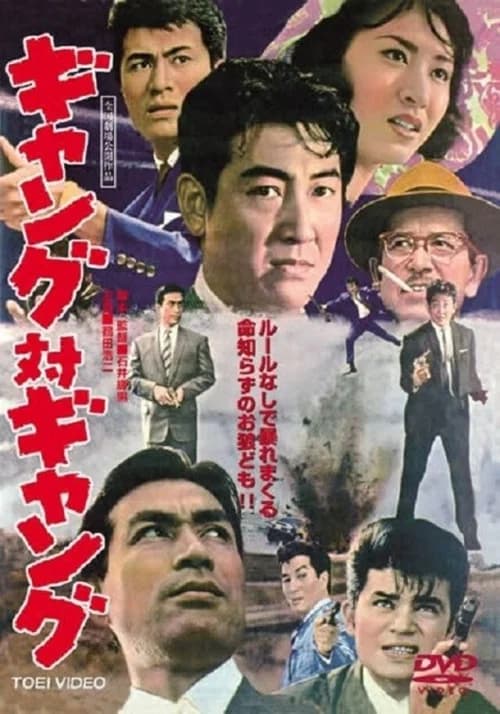
The plot opens with the hero (Tsuruta) leaving prison, having served time through taking the blame for a fellow gang member’s crime. However, his former gang boss seems to have gone to seed, with people now killing each other and dealing in drugs. The hero then teams up with a lone operator (Tamba) who specialises in shaking down gangsters.

Since the enactment of the Anti-Boryokudan Act and Yakuza exclusion ordinances, the number of Yakuza members reduced to less than 60,000. In the past 3 years, about 20,000 members have left from Yakuza organizations. However, just numbers can’t tell you the reality. What are they thinking, how are they living now? The camera zooms in on the Yakuza world. Are there basic human rights for them?


