

Loading titles…

Speaker

A short documentary exploring the UK’s 1970s approach to urban renewal through General Improvement Areas. Mixing location footage from Blackburn, Norwich, and Oxford with unexpectedly quirky presentation, the film contrasts small-scale housing improvements with the sweeping redevelopment schemes of the post-war era. Produced as a government public information film and shown at meetings between planners, architects, and residents, it stands as a modest, humane entry in Britain’s civic-minded documentary tradition.
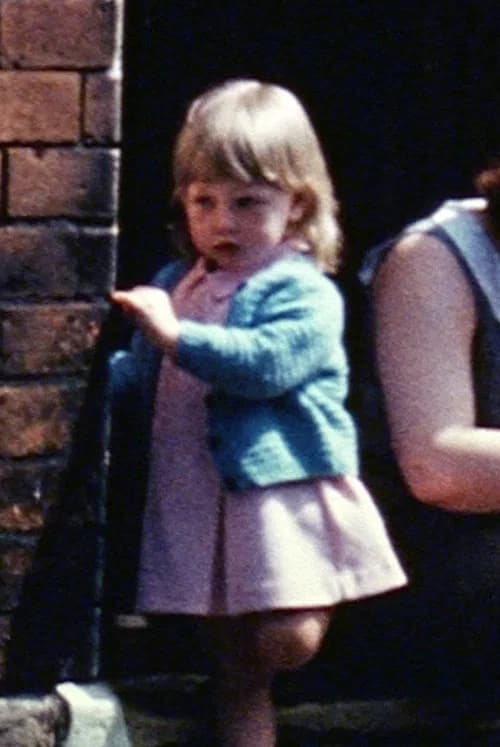
Between 1968 and 1970, J M Goodger, a lecturer at the University of Salford, made a film record of the living conditions in the slums of Ordsall, Salford, which were then in the process of being demolished. Under the title 'The Changing face of Salford', the film was in two parts: 'Life in the slums' and 'Bloody slums'.


The availability of housing is a big topic today. It has the strongest impact on those who participate least in the public debate – low-income households, minorities or single women. The film follows a group of activists around Martin Freund, a representative and member of the Live Brno movement, as they try to persuade politicians in the second largest Czech city about their vision of affordable housing.

Cranes and Voices explores the evocative power of sound through the experiences of people who hear voices and a collective of sound investigators, tenants documenting their neighborhood. By bringing together listening experiences, housing, and creative practices, the film approaches sound as an ambivalent force, questioning our ability to listen—to the city, to others, and to ourselves.

Homelessness in the United States takes many forms. For Elizabeth Herrera, David Lima and their four children, housing instability has meant moving between unsafe apartments, motels, relatives’ couches, shelters, the streets and their car. After 15 years of this uncertainty, the family moved into their first stable housing — an apartment in the San Francisco Bay Area — in the midst of the coronavirus pandemic.

Because of the big housing problem in the US many people move into cheap, run down hotels, the so-called Flophouse hotels. Twelve-year-old Mikal was born and raised in a hotel room he shares with his parents, who struggle with substance abuse. Driven by love and a desire for a better life, his greatest wish is for his mother to stop drinking. Mikal is bright and articulate, but his parents’ struggles prevent them from giving him the stability he needs. Through Mikal’s perspective, the film paints an intimate portrait of resilience, hope, and the harsh realities of life on society’s margins.

