Loading titles…
Self (archive footage)
Self
Self (archive footage)
Self (archive footage)

In 2012, Stephen Vaughan and Kay Ferreter are invited to address the congregation at St. Joseph's Redemptorists Church in Dundalk, Ireland for the Solemn Novena Festival. In a powerful speech, the pair describe their experiences being gay and lesbian in Ireland, feeling excluded by Catholic doctrine, and the importance of a more inclusive church.

Released in 1796 posthumously, The Nun, a novel that Diderot did not dream of publishing during his lifetime, as he knew it to be revolutionary, caused the same explosion in the 19th century France as in that of the 1960s, when Jacques Rivette decided to adapt it, with Anna Karina in the title role. “This film is banned and it will remain so!” said the General de Gaulle. Exploration of an indictment of incredible modernity which, through the tragedy of the young Suzanne, locked up in the convent against her will, denounces the inequity of a society denying women all moral, political and sexual freedom.
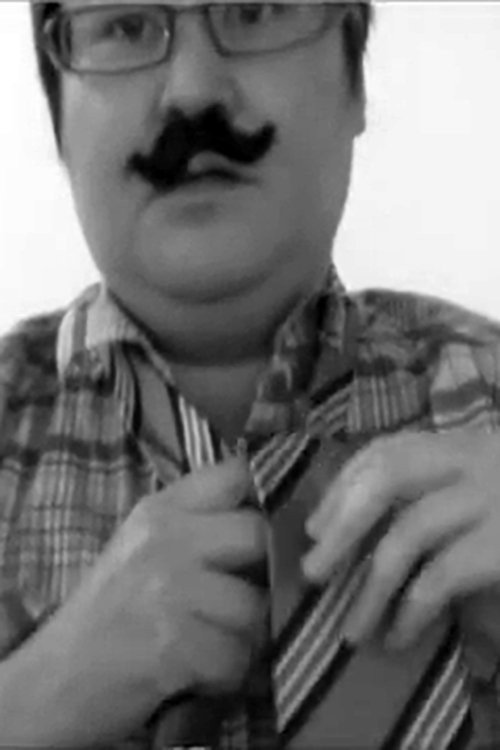
After a long period in life identifying as a Butch Lesbian, Cuthand considers transitioning to male. After a considerable amount of thought and discussion, Cuthand changed her mind and decided to remain a Butch Lesbian. Explaining her decision, she touches on the desire to maintain a connection to the Lesbian community, as well as the sexy genderfucking that happens when one is a masculine woman.

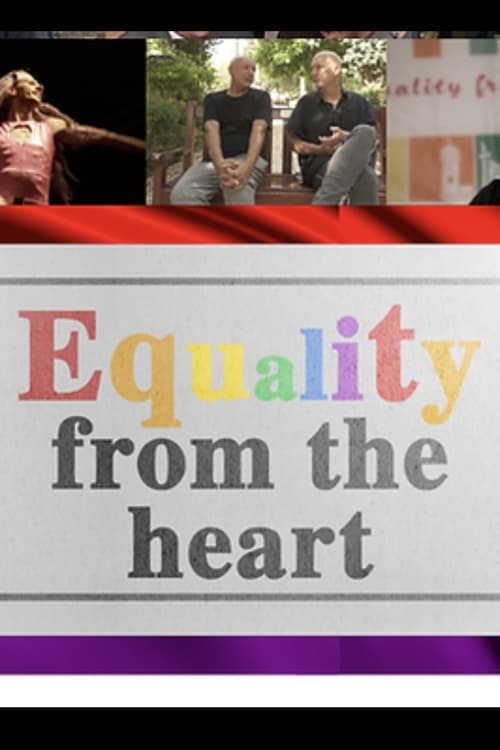
'Equality from the Heart' captures the narratives of various LGBTIQ individuals in Malta, shedding a light on the lived lives of our community throughout the 20th Century, during a time when our identities were considered a taboo, as it reflects on the progress this country has made and looks to the future with optimism.
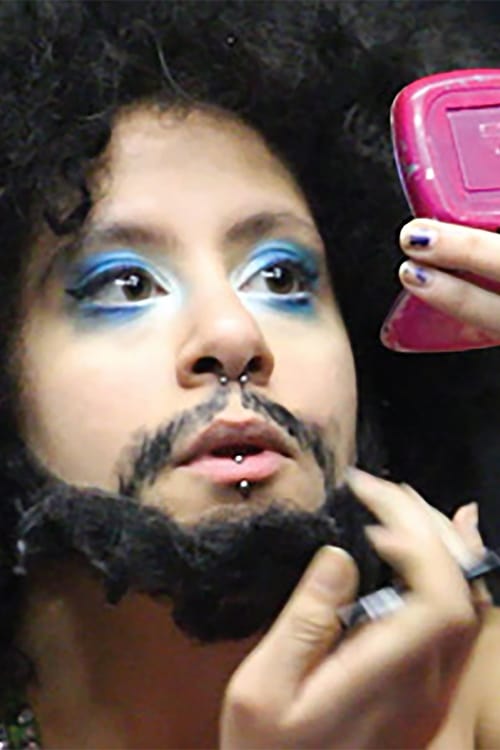
Black women had extremely limited options during Jim Crow. Odessa’s story explores how an African American woman born in a time with limited options leveraged her incredible mind and quick wit to become wealthier than she ever should have been able to This film takes a look at choices that were made, a wild ride Odessa had as an underworld queen, and consequences from her choices Odessa Madre’s life was a mix of resilience and bookend by the vicissitudes of luck, a contrast of economic success within