Loading titles…
Documentary
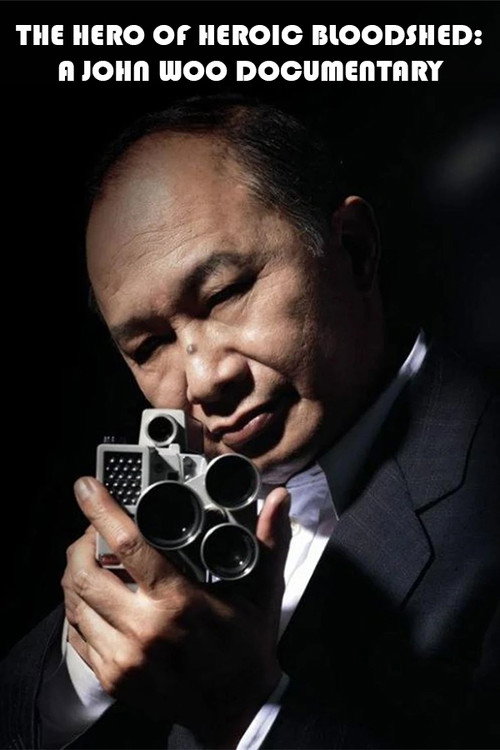
A "talking head" documentary that relives the fascinating and furious career of John Woo - from his early work, and emergence as a director, to his heroic bloodshed classics which changed the face of Hong Kong cinema in the 1980s. Woo then moved to America and shook up…

Himself
Himself

Himself
Herself
Himself

Himself

Himself
Herself
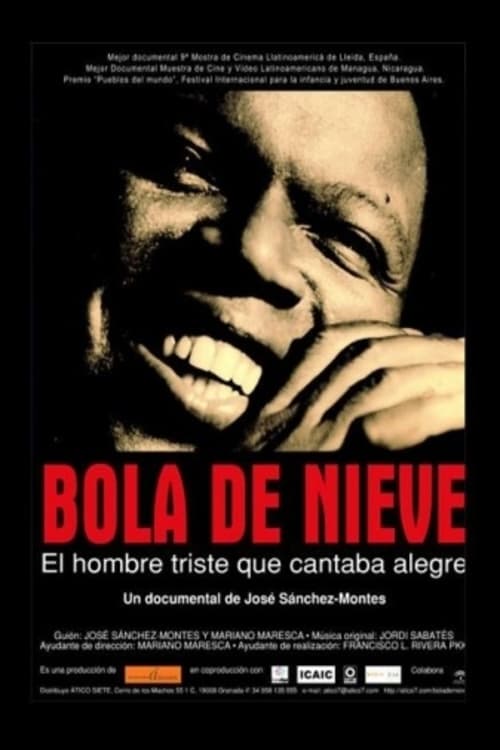
Documentarian Jose Sanchez-Montes turns his attention towards the late Cuban musician Ignacio Villa, known throughout the world as Bola de Nieve (Snowball), with this 2003 biographical documentary entitled simply Bola de Nieve. A master pianist, Bola de Nieve was a mainstay through the middle portion of the 20th century, with his music almost omnipresent in South America cinema throughout those formative decades. With Bola de Nieve's famous statement "I'm a sad person, but my songs sound happy" in mind, Sanchez-Montes also looks at the influence of the musician's African heritage and homosexuality upon Bola de Nieve's unique musical style.
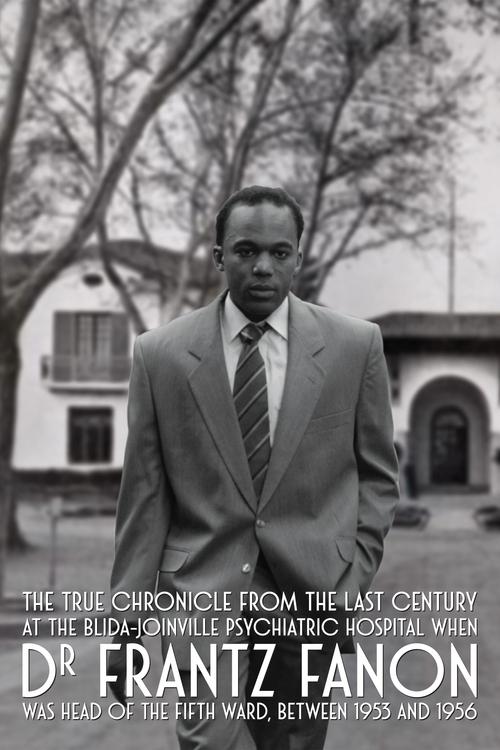
1953, colonized Algeria. Fanon, a young black psychiatrist is appointed head doctor at the Blida-Joinville Hospital. He was putting his theories of ‘Institutional Psychotherapy’ into practice in opposition to the racist theories of the Algies School of Psychiatry, while a war broke out in his own wards.

At age 25, Olivier Rousteing was named the creative director of the French luxury fashion house, Balmain. At the time, Rousteing was a relatively unknown designer, but in the decade since, he’s proven his business prowess and artistic instinct by leading Balmain to new heights. Wonderboy gives the viewer the rare opportunity to experience the inner sanctum of the fashion world, as we stand shoulder-to-shoulder with this extraordinary individual while he works.

From Vogue magazine fashion photographer to filmmaker, painter and sculptor, Bailey is the working-class Londoner who befriended the stars, married his muses (Jean Shrimpton, Catherine Deneuve, Marie Helvin) and captures the spirit and elegance of his times with his refreshingly simple approach and razor-sharp eye. He is also the man whose life and work inspired one of the cult movies of the sixties, Michelangelo Antonioni's Blow-Up, and who has constantly travelled the globe either with the most beautiful models or chronicling the contemporary reality of Papua New Guinea, Brazil, Vietnam, Afghanistan and other countries with ground-breaking reportages. Above all, Bailey is a romantic with a delightful sense of humour approaching his 73rd year and showing no sign of slowing up. Director Jérôme de Missolz has created an engaging portrait of this very private man who bared the soul of the swinging sixties and seventies with his photographs and films.
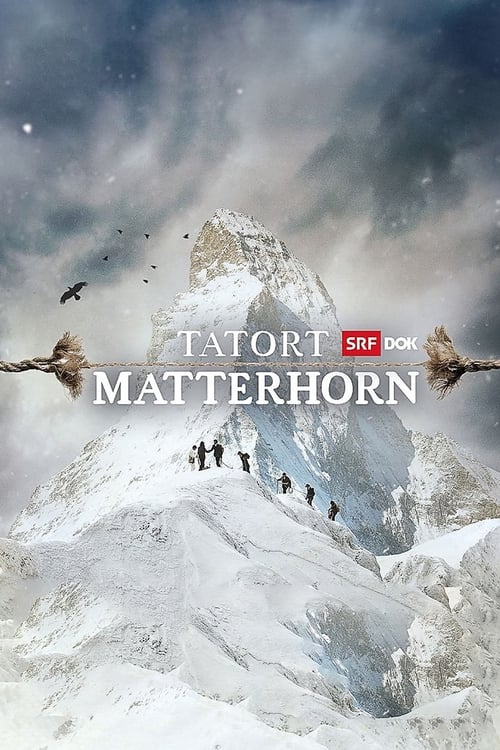
The first ascent of the Matterhorn was made on July 14, 1865 by Edward Whymper, Francis Douglas, Charles Hudson, Douglas Hadow, Michel Croz and two guides from Zermatt, Peter Taugwalder father and son. Douglas, Hudson, Hadow and Croz are killed on the descent after Hadow slips and drags the other three men down the north face. Whymper and the two Taugwalders, who survive, are later accused of having cut the rope that connected them to the rest of the group so as not to be dragged into the fall, but the ensuing investigation finds no evidence of their guilt and they are acquitted. The Matterhorn is the last great peak in the Alps to be conquered and its ascent marks the end of the golden age of mountaineering. One hundred and fifty years later, a team undertakes the same expedition in order to unravel the mystery.
Himself
Himself