Loading titles…
herself
himself


ZAAD tells the autobiographical story of Dries Meddens. After the death of his mother, the care for Dries' bipolar father falls on his plate. He discovers how crudely and ruthlessly society and psychiatry treat patients. His father eventually dies in solitary confinement. While emptying his parent’s home, Dries discovers an old letter from his grandfather. The man appears to have led a busy, productive life. He is the founder of an internationally renowned seed breeding company and still has time to paint, write diaries and conduct intensive correspondence. Dries finds similarities between his grandfather, his father and himself. Slowly the fear grows that his father's psychiatric illness might be hereditary. Strolling through the family’s film and photo archives, with dramatic and sometimes hilarious finds, Dries tries to find answers. He also consults a psychiatrist. Together the consultations and reviewing of his archival material help Dries look at bipolarity with new eyes.
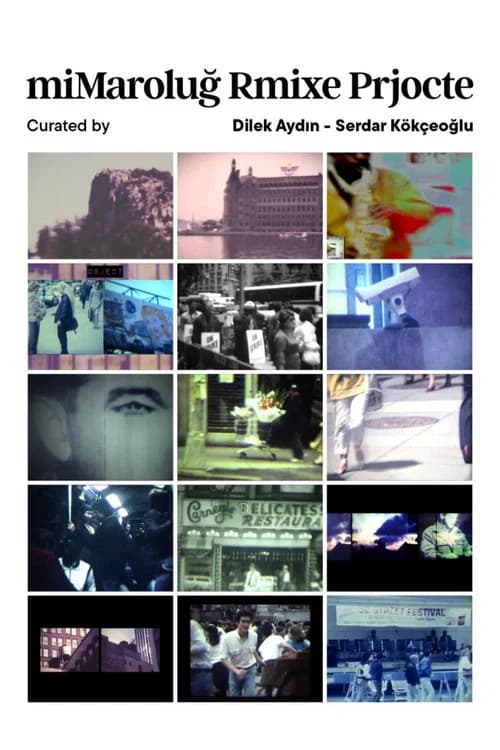
A collection of 8mm film reels from İlhan Mimaroğlu’s archive—once tucked away in whisky boxes—has found new life through art. Curated by director Serdar Kökçeoğlu and producer Dilek Aydın, the project brings together visual artists and musicians to reimagine these long-lost images. Over thirty artists transformed the footage into fifteen distinct audiovisual pieces, blending experimental soundscapes with contemporary video art. The project concludes with a special highlight: the first-ever screening of Mimaroğlu’s silent short film about a street jazz festival, accompanied by Erdem Helvacıoğlu’s dark jazz score.

The film weaves together archival footage of Yugoslavia’s idealized unity with a personal investigation into the filmmaker’s grandfather’s imprisonment under the regime. Rooted in archival theory, the project questions the authority of official histories, exploring how archives shape power and memory.
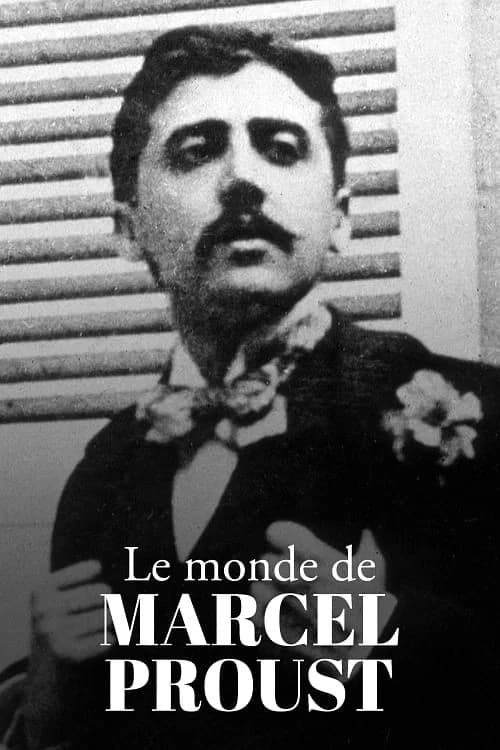
Marcel Proust's "In Search of Lost Time" is one of the great novels of world literature. The documentary immerses itself in the very own cosmos, spanning 3,000 pages and hundreds of characters, for which Proust's own world was the source of inspiration, and brings Proust's moral portrait of the Belle Epoque to new life.
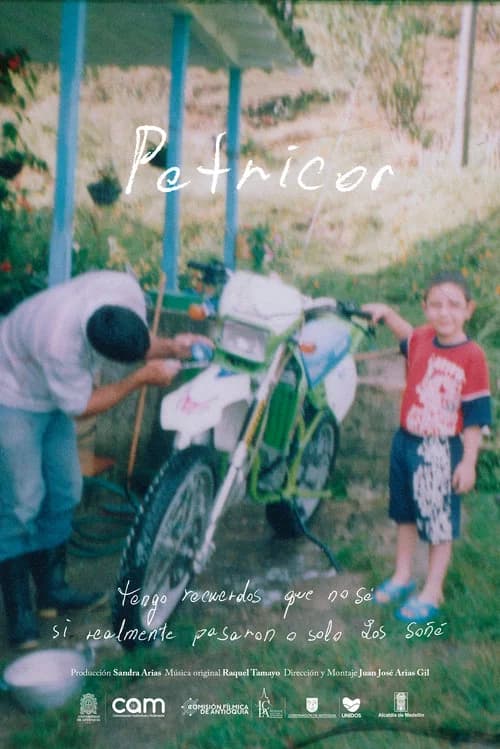
Director Juan José Arias uses old family videos to try to find out what kind of person his father was. His image comes back in dreams, his voice whispers in the smell of rain and his embrace lies in an old house in the country where they used to spent the holidays. Reality, memories and dreams blur together in a poetic way.
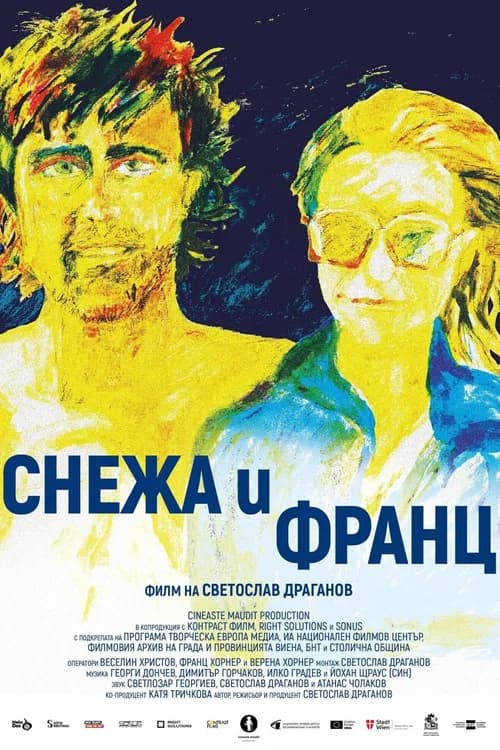
Sunny Beach at socialist Bulgaria, the summer of 1967. 19-year-old Bulgarian SNESCHA meets FRANZ, an 18-year-old Austrian lad. They dance and talk, he is speaking German and she – Bulgarian, and despite the language barrier, they fall in love. In 1975 they get married and leave for Austria. SNESCHA gets pregnant and gives birth to twin sisters. FRANZ embarks to an expedition in Iran and Pamir. SNESCHA gives birth to a third daughter. His next adventure is passing the river Niger to the city of Bamako in Mali. After that he goes back to Austria and buys a house on credit. In 1987 he decides to make a bicycle tour going through Tibet. Despite SNESCHA’S disagreeing, he sets for Pakistan and never comes back. SNESCHA has to take care of her daughters and pay for the house.