Loading titles…
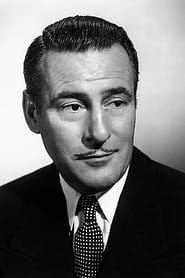
Ned Johnson

Mrs. Judd
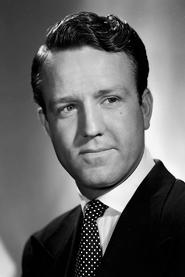
Murray
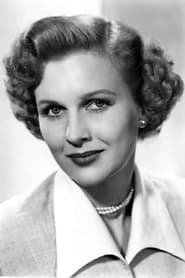
Mary
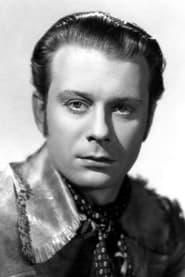
Carter

Sebastien
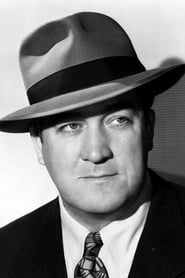
Police Inspector Bruce
Bill Arthur
Miss Bennett
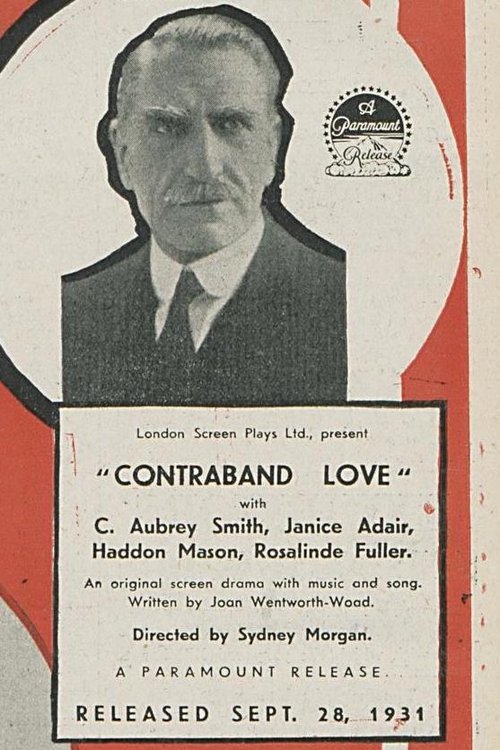
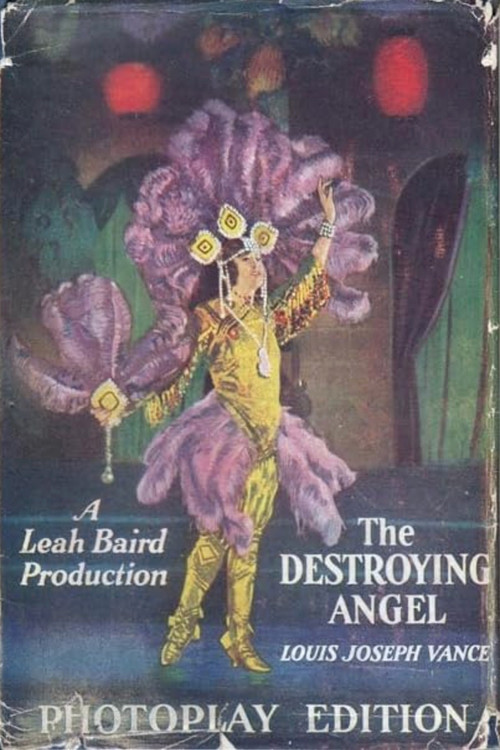
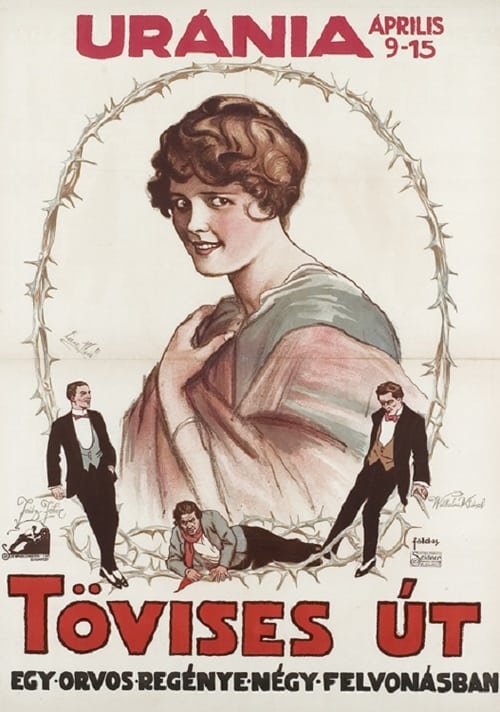
Hugh Whittaker believes he is terminally ill, and, as an act of mercy, weds a young woman named Mary, who has been deserted by her lover. He travels to Europe, recovers his health, and returns to New York City, where he meets and falls in love with musical star Sara Law, unaware that she is actually his wife. Sara is abducted by kidnappers and Hugh undertakes a harrowing rescue before discovering her true identity.
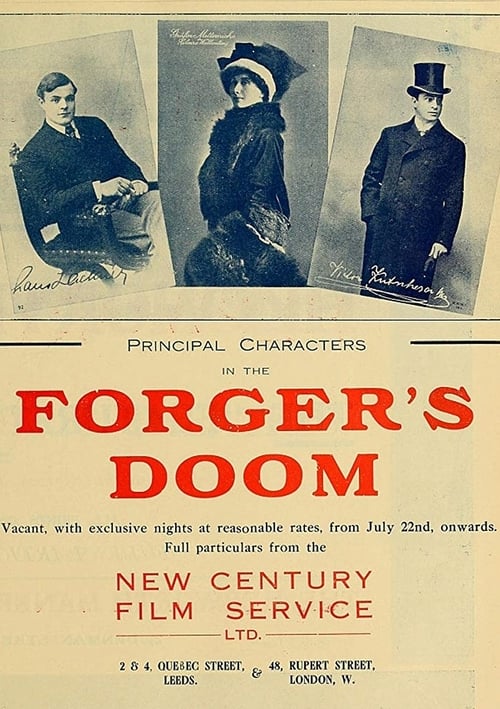
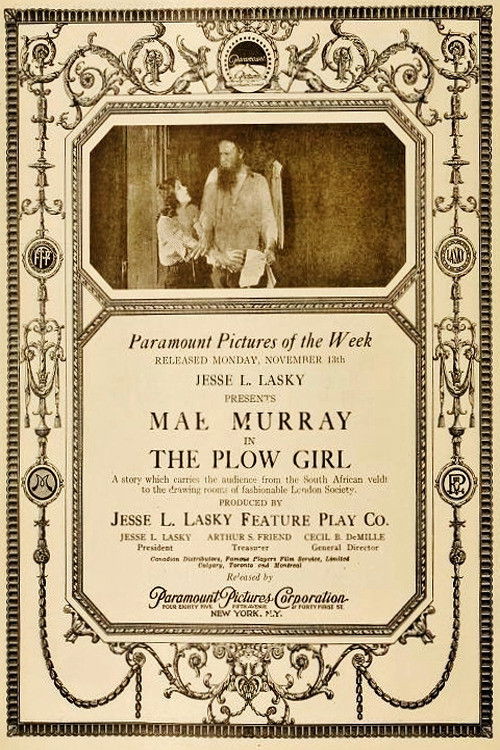
Lord Percy hires attorney John Stoddard to find the missing Brentwood heiress. Failing his mission, John rescues an orphan named Margot and passes her off as the lost granddaughter. As guilt drives them to confess, Margot’s former abuser arrives and reveals a shocking truth: he killed her parents, making Margot the real, legitimate heir.
Based on the real-life lawsuit of journalist Quentin Reynolds against columnist Westbrook Pegler, portraying the courtroom battle where Reynolds sues Pegler for calling him a communist; stars Van Heflin as the lawyer and Jose Ferrer as the bigoted columnist, dramatizing how they slowly trap the writer in his own lies, ultimately leading to a win for Reynolds and highlighting McCarthy-era politics, with the story adapted from Louis Nizer's book My Life in Court.
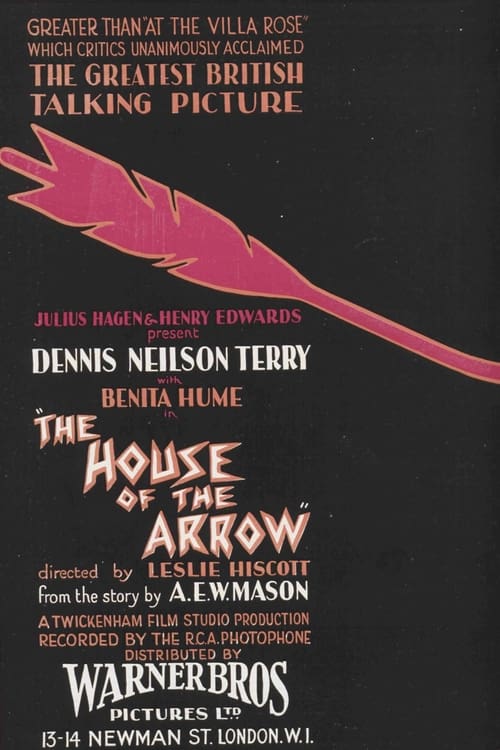
In Dijon, Inspector Hanaud investigates Betty Harlowe after her uncle, Boris Waberski, accuses her of poisoning her wealthy aunt for an inheritance. While an initial autopsy finds nothing, Hanaud discovers the use of Strophanthus Hispidus—a rare, undetectable poison applied via an antique arrow. Amidst a flurry of "poison pen" letters and deception, Hanaud proves the murder occurred despite the lack of conventional medical evidence.
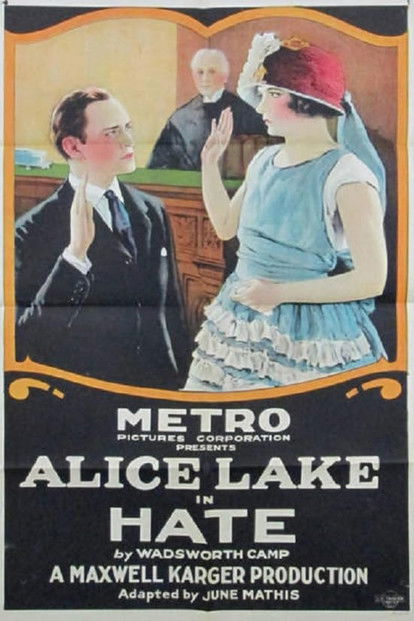
Gamblers Dave Hume and Ed Felton are rivals for the love of Babe Lennox, a chorus girl. Hume informs on Felton, and though the latter is arrested he is released on bail, and Talbot, the attorney, warns Hume to stay clear of him. Hume, who is in ill health, determines to commit suicide, making it appear that Felton killed him; and (concealing a record of his plans on a small statuette) he makes a wager with Felton that he can do so.