Loading titles…
Burgess
Sullivan
Kelly
Levy
Moller
De Pontius
Matthieu
Kempthorne
Dudley
Ann Fulton
Joseph Levestam
Hotel Proprietor
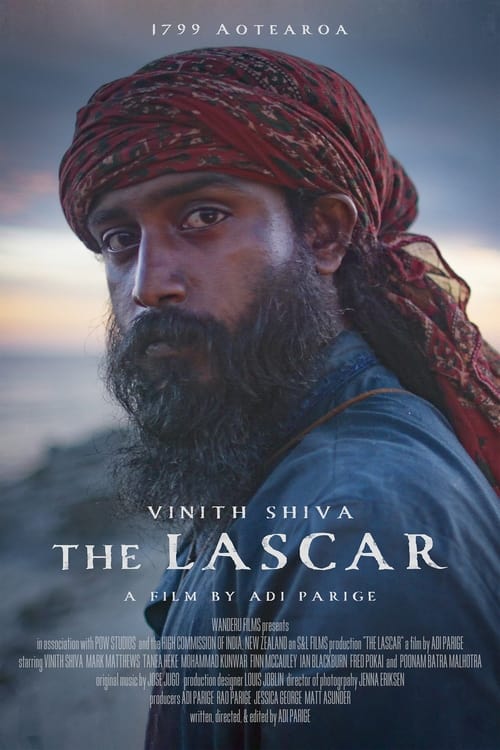
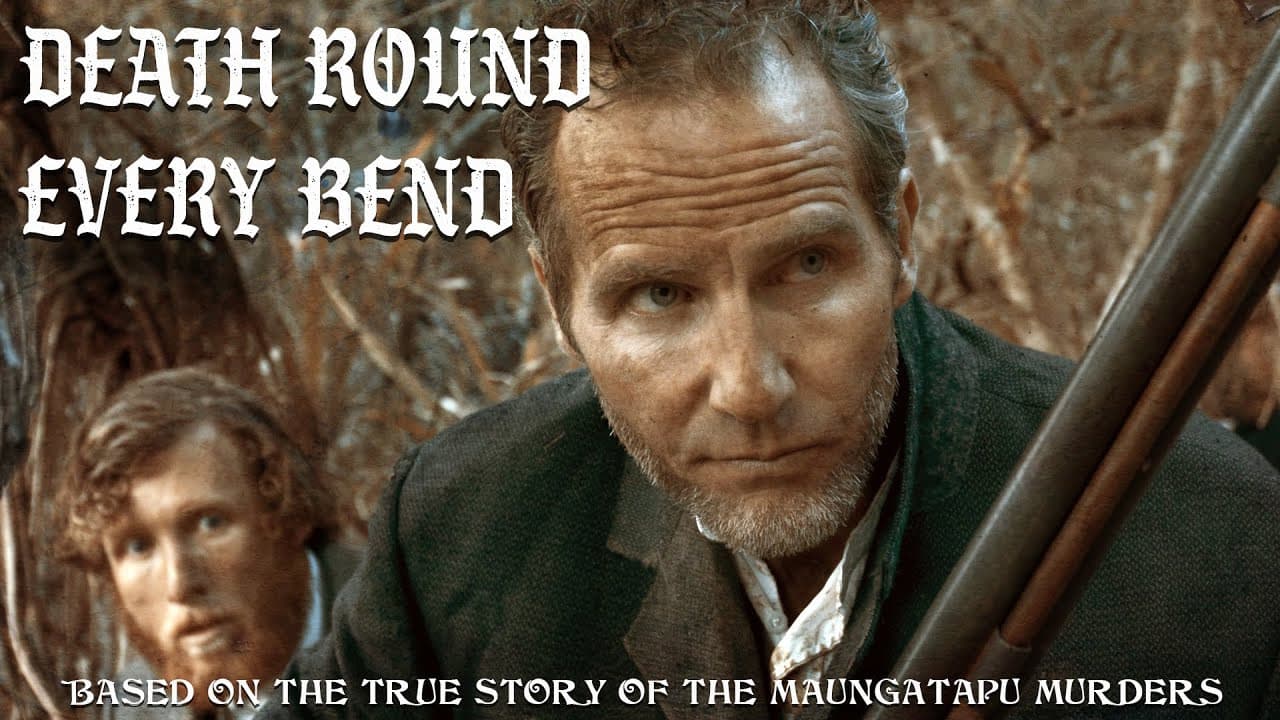
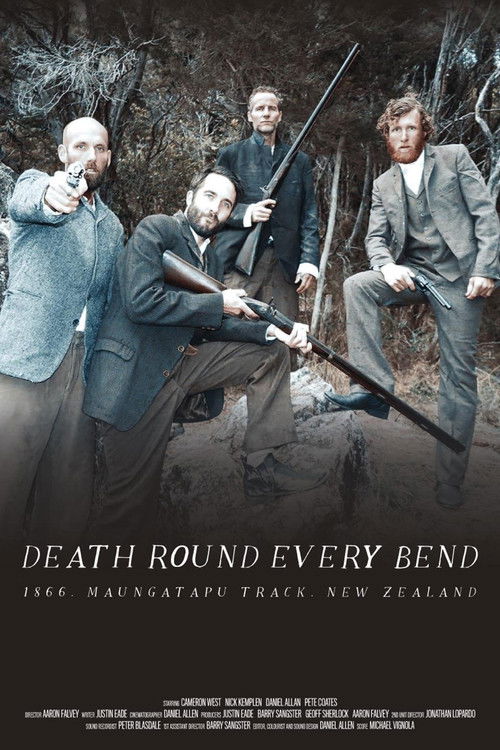
At the end of the 18th century, hundreds of Indian sailors, known as lascars, worked amongst European settlers in Aotearoa New Zealand - often under the gruesome working conditions of seal hunting gangs. The story follows a lascar, Dasa, who has been abandoned on the coast of Aotearoa NZ by the East India Company, alongside his sealing gang. When Dasa finds himself in the middle of a conflict between his abusive British superior and two Māori traders, he is faced with a choice: bend the knee or take a stand.
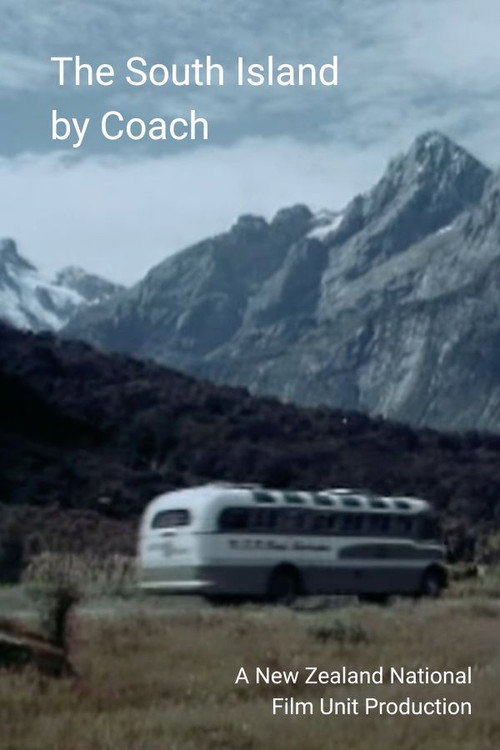
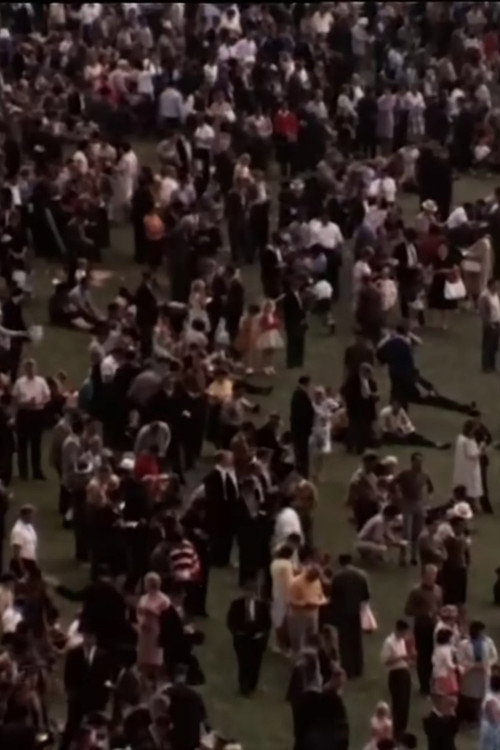
This impressionistic, late 1960s survey traces Auckland from volcanic origins to a population of half a million people. Produced by the National Film Unit, it finds a city of "design and disorder" growing steadily but secure in its own skin as its populace basks in the summer sun. A wry, at times bemused, Hugh Macdonald script and an often frenetic, jazzy soundtrack accompany time honoured Queen City images: beaches and yachting, parks and bustling city streets, and an unpredictable climate given to humidity and sudden downpours. Awards: 1970 Edinburgh Film Festival - Certificate of Merit 1968 Pacific Asia Travel Association Conference (Taiwan) - Third Prize 1967 Venice Film Festival - Lion of St Mark Plaque 1967 Tourfilm Festival (Czechoslovakia) - Tourism Film Prize
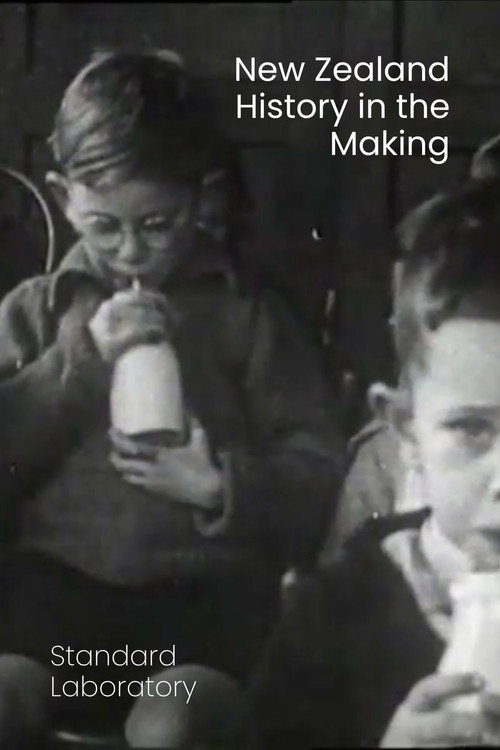
This is a Labour Party film from 1938, featuring footage from around New Zealand pre 1938. This film predates the National Film Unit and is part of Archives New Zealand's National Film Library Special collection. Parts of this copy of the film have been modified where the original footage was spliced backwards. The original footage is available for viewing on this channel. Archives Reference: AAOJ W5034 513 - B8376 DV file of Beta SP telecini of 16mm Black and white film.

A gripping film chronicling Māori in a defiant struggle against systemic racism and colonial injustice to reclaim their fishing rights. Through resilience and legal strategy, they secured their place in the industry, marking a landmark victory for Indigenous sovereignty. Thirty years later, the fight for equity and environmental stewardship continues.
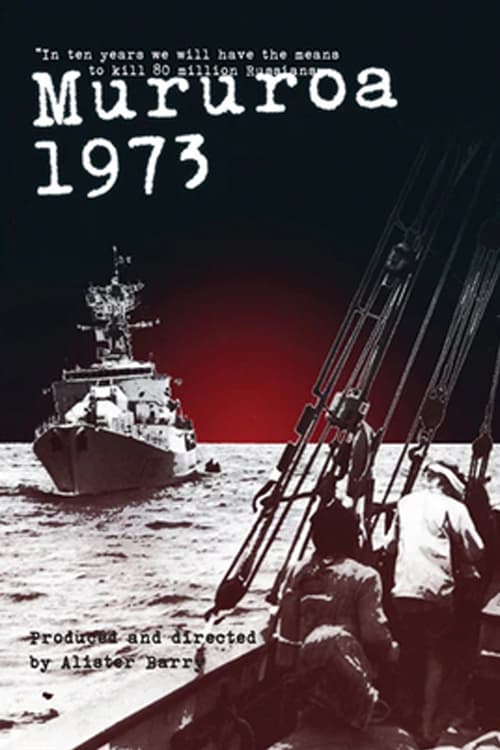
In 1973 Alister Barry joined the crew of a protest boat (The Fri) to Mururoa Atoll, where the French Government were testing nuclear weapons. Barry records the assembly of the crew, the long journey from Northland, and their reception in the test zone; when The Fri was boarded and impounded by French military he had to hide his camera in a barrel of oranges.