Loading titles…
Self - Anthropologist & Author
Self - Balinese High Priest
Self - Yudisthira Foundation
Self - Bali Animal Welfare Association (BAWA)
Self - Veterinarian
Self - Author: 'Bali Blues'
Self - Artist
Self - Dog Trainer
Self - Dog Trainer
Self - Head of Bali K9 Police Unit
Self
Self
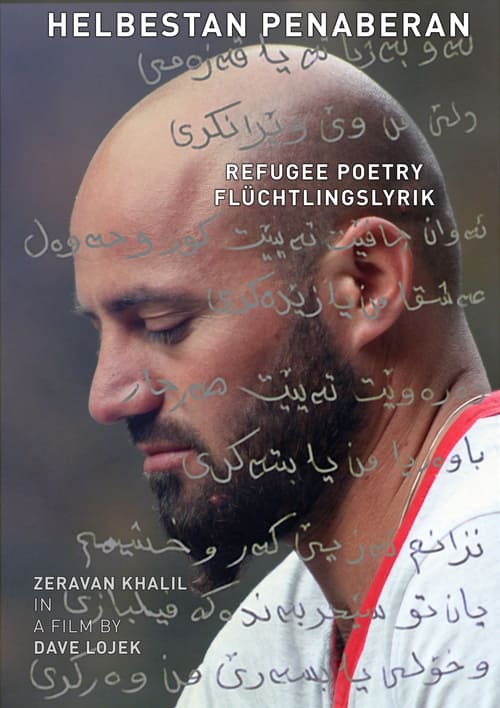
The Kurdish Iraqi poet and actor Zeravan Khalil travels with his dog through an Alpine gorge after fleeing from IS war and genocide. As he remembers the abomination, he writes a poem with the title “You drive me mad” in Kurmanji Kurdish. In his home country, Yazidic Kurds are forbidden to work in his profession. Then he eats his apple and wanders through Europe’s middle with more hope.
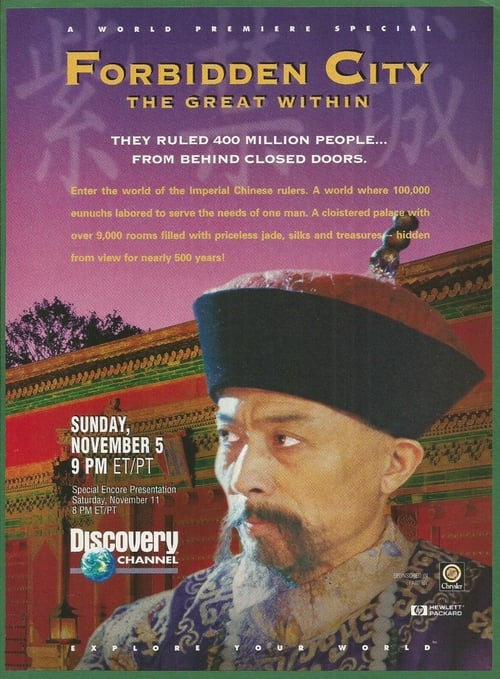
Amidst the grand walls of the Forbidden City, the film takes us on a deep journey through the ceremonial life of the Chinese emperor, unveiling the secrets and intrigues of concubines, eunuchs, and palace maids. As the West begins to influence China in the late 19th century, the dynamics within the city shift dramatically. The film highlights the preservation and restoration of invaluable treasures and paintings, culminating in the creation of the Palace Museum. With insights from renowned China scholar, Jonathan Spence, this is an intimate exploration of the rich cultural and historical tapestry that makes up the heart of ancient China.
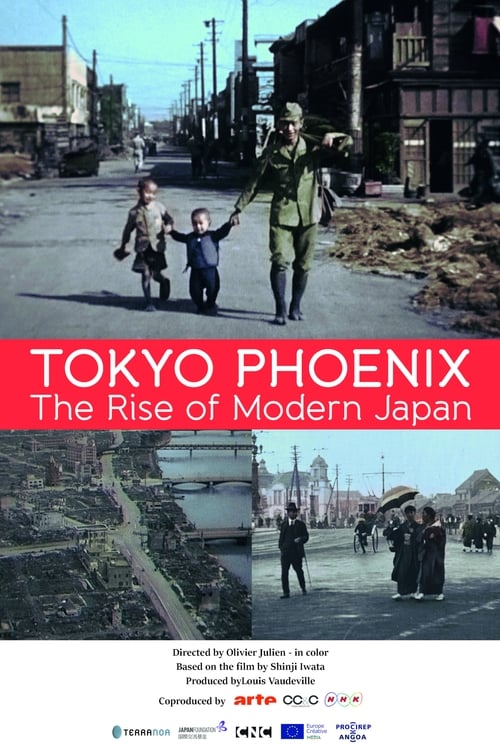
In 150 years, twice marked by total destruction —a terrible earthquake in 1923 and incendiary bombings in 1945— followed by a spectacular rebirth, Tokyo, the old city of Edo, has become the largest and most futuristic capital in the world in a transformation process fueled by the exceptional resilience of its inhabitants, and nourished by a unique phenomenon of cultural hybridization.
Cruelty, psychological and sexual violence, humiliations: reality television seems to have gone mad. His debut in the early 2000s inaugurated a new era in the history of the audio-visual. Fifty years of archives trace the evolution of entertainment: how the staging of intimacy during the 80s opened new territories, how the privatization of the biggest channels has changed the relationship with the spectator. With the contribution of specialists, including philosopher Bernard Stiegler, this documentary demonstrates how emotion has made way for the exacerbation of the most destructive impulses.