Loading titles…
Self - Narrator



In the months and years following the end of the World War Two, Allied forces faced a series of bombings and attacks in occupied Germany. Nazi loyalists attempted to derail the rebuilding process by killing any Germans collaborating with the enemy. And the mysterious SS-Werewolves underground organization boasted of the coming rebirth of the Party.
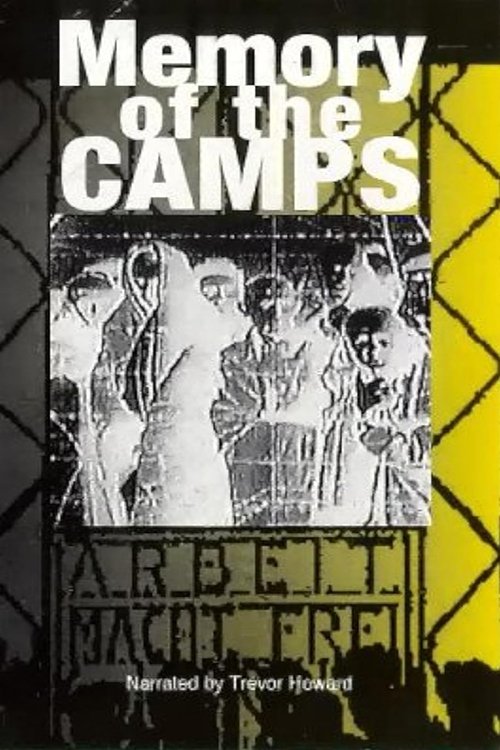
In 1945, Allied troops invaded Germany and liberated Nazi death camps. They found unspeakable horrors which still haunt the world’s conscience. A film was made by British and American film crews who were with the troops liberating the camps. It was directed in part by Alfred Hitchcock and was broadcast for the first time in its entirety on PBS FRONTLINE in 1985.
Here is the hair raising, seat-of-the-pants tale of men who dared to fly their planes, unescorted, to the heart of enemy held Romania to blast the source of German oil. It's also the story of long, low level flights over water, searching for the tell tale sliver of a U-boat periscope. It's a tribute to an underdog that became the most versatile, widely used bomber of World War II. This is THE B-24 LIBERATOR! Aviation A.V. Library brings you this battling classic in a hell-raising video adventure that we call "THE FIGHTING LIBERATOR." From the Bismark Sea to dirt airstrips in China to the exhilaration of the great push on D-Day the Liberator was there, fighting her way over, around and through the Axis ranks.

In the darkest days of World War II, St. Peter's was shrouded in the shadow of the swastika. But even as the Führer surrounded him, the Pope was plotting a secret counter-offensive. Wartime Pontiff Pius XII has been derided for his public silence about the Holocaust. But evidence suggests his silence may have been subterfuge.
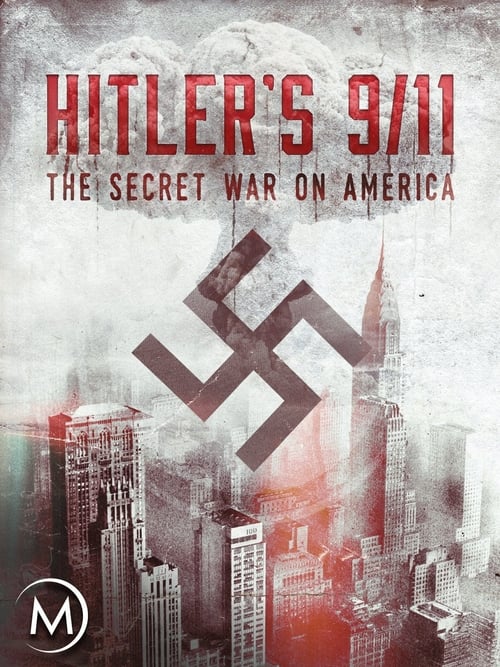
Adolf Hitler's Nazi megalomania knew no limits. The most daring of his plans World War II involved German fighter planes crashing into Manhattan's skyscrapers as living bombs, like the Japanese kamikazes. Hitler understood the huge symbolic power of Manhattan's skyscrapers. He believed suicide bombing would have a devastating psychological impact on the American people and the U.S. war effort.