Loading titles…
Documentary
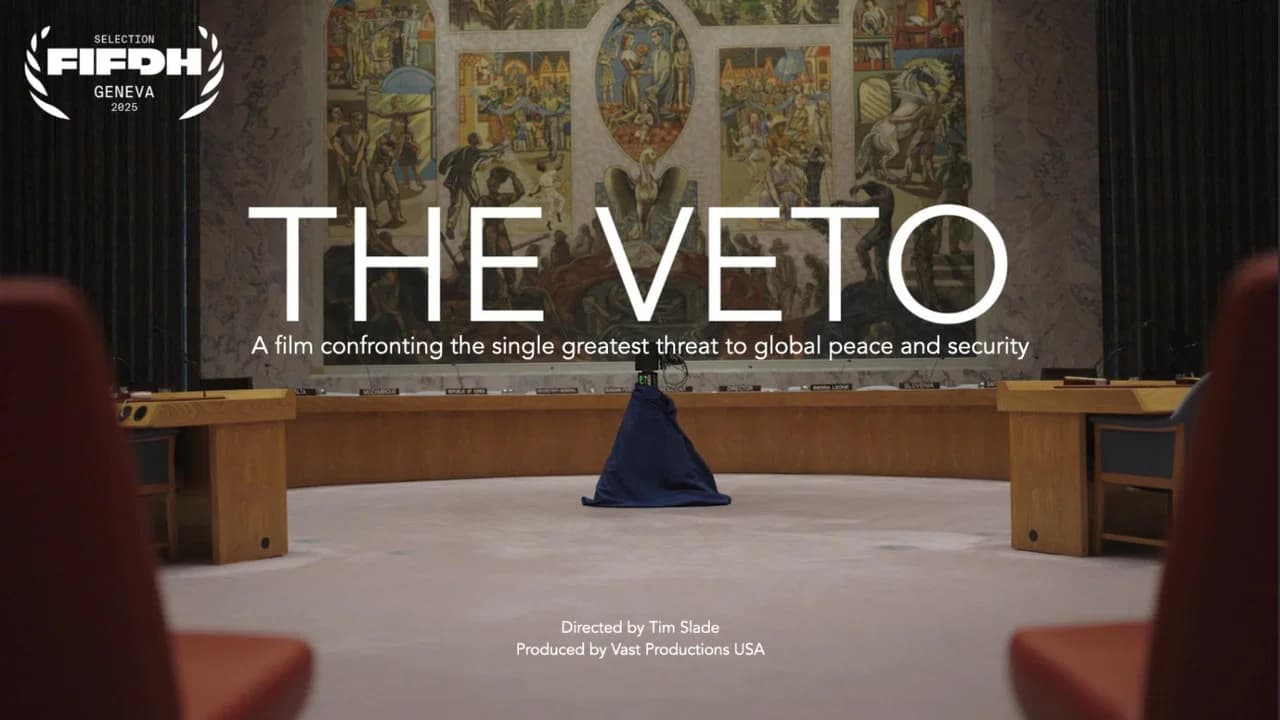
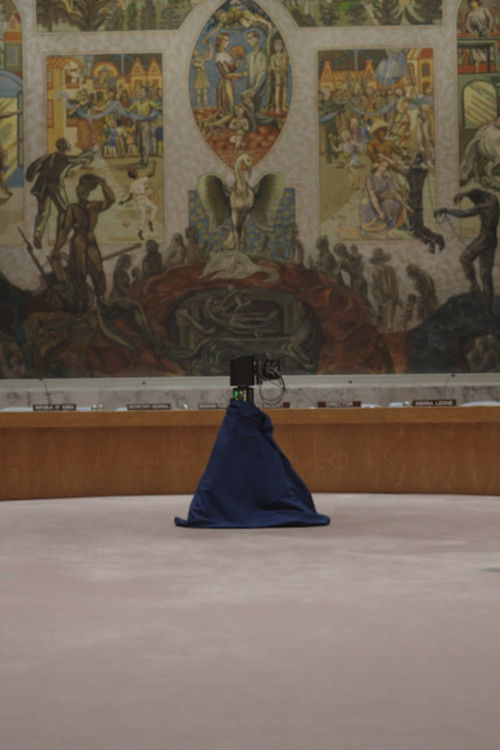
For 80 years, the UN Security Council permanent member veto power has been the subject of constant debate, within the UN and without. The veto itself isn’t going away—it’s ‘veto-proof’. But when vetoes are cast in the face of genocide, war crimes, and crimes against humanity,…
Martin Kimani
Oleksandra Matviichuk
Christian Wenaweser
Lana Nusseibeh
Dr. Ardi Imseis
Dr. Jennifer Trahan
Prince Zeid bin Ra’ad Al Hussein
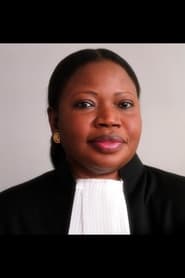
Fatou Bensouda
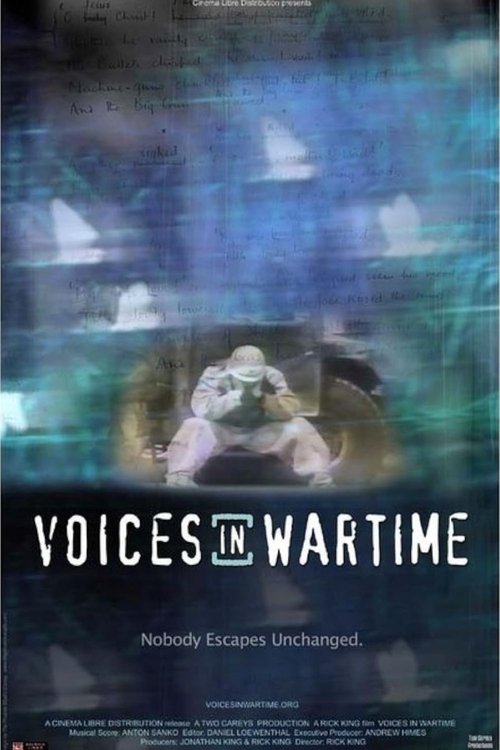
Voices in Wartime is a 2004 documentary that explores the human experience of war through poetry. Combining interviews with soldiers, journalists, and historians, it reveals how war affects individuals and societies across time and place. The film features poets from around the world – from Homer and Wilfred Owen to Shoda Shinoe and modern writers in Iraq and Nigeria – showing how poetry expresses the pain, trauma, and truth of conflict. By linking verse with real-life accounts, Voices in Wartime highlights how poetry helps us understand the emotional and moral impact of war.
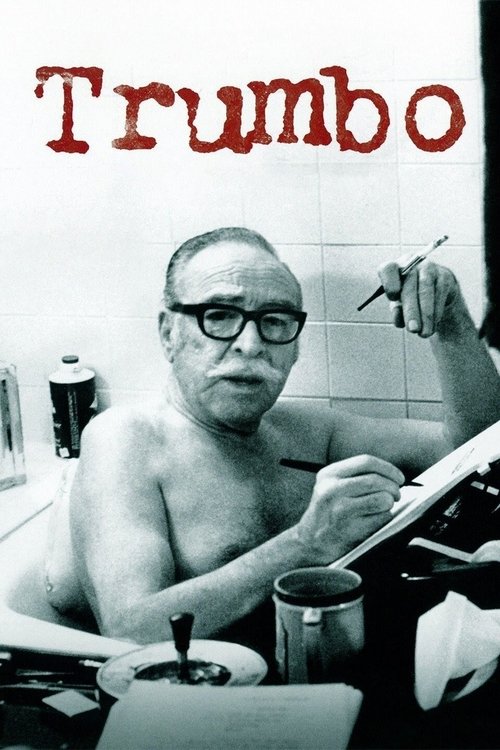
Through a focus on the life of Dalton Trumbo (1905-1976), this film examines the effects on individuals and families of a congressional pursuit of Hollywood Communists after World War II. Trumbo was one of several writers, directors, and actors who invoked the First Amendment in refusing to answer questions under oath. They were blacklisted and imprisoned. We follow Trumbo to prison, to exile in Mexico with his family, to poverty, to the public shunning of his children, to his writing under others' names, and to an eventual but incomplete vindication. Actors read his letters; his children and friends remember and comment. Archive photos, newsreels and interviews add texture. Written by
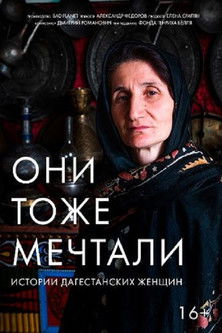
Women of different nationalities live in central Dagestan: Avars, Kubachinks, Lachki, Godoberinki, Didoiks. In 1994, obstetrician-gynecologist Aishat Magomedova opened a charity hospital for them in the center of Makhachkala. She was worried about the situation of mountain women in the villages of Dagestan, where there are no roads, gas, and water. According to local traditions, all the physical labor in the family household falls on the woman: caring for the livestock, in central Dagestan women of different nationalities live: Avars, Kubachinks, Lachki, Godoberinki, Didoiks. In 1994, obstetrician-gynecologist Aishat Magomedova opened a charity hospital for them in the center of Makhachkala. She was worried about the situation of mountain women in the villages of Dagestan, where there are no roads, gas, and water....

Julian Borger
Larry Johnson