Loading titles…
Narratteur
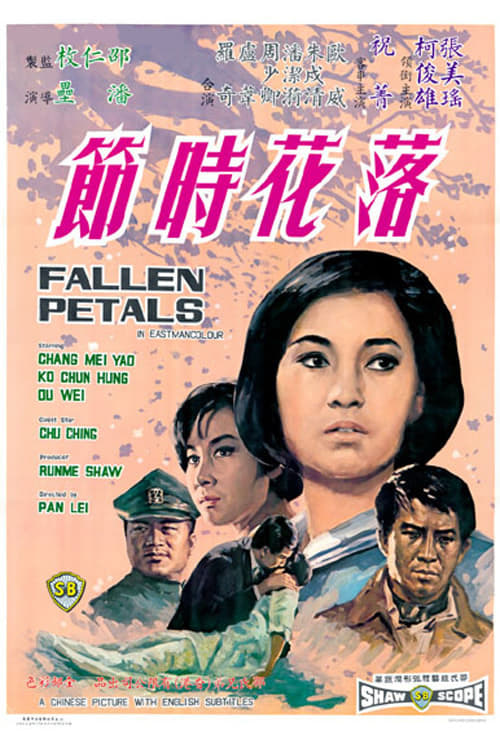
Taiwan's most glamorous screen couple, Ko Chun-Hsiung and Chang Mei-Yao, co-star in "Fallen Petals", a romance with the unique setting of Taiwan during World War II, when the island was a colony of Japan. Ko is drafted into the Japanese army and forced to leave his pregnant girlfriend behind. When he is presumably killed in action, Chang becomes a cabaret girl to support their baby. Thanks to director Pan Lei's sensitive scenario, the dramatic outcome is far from predictable.
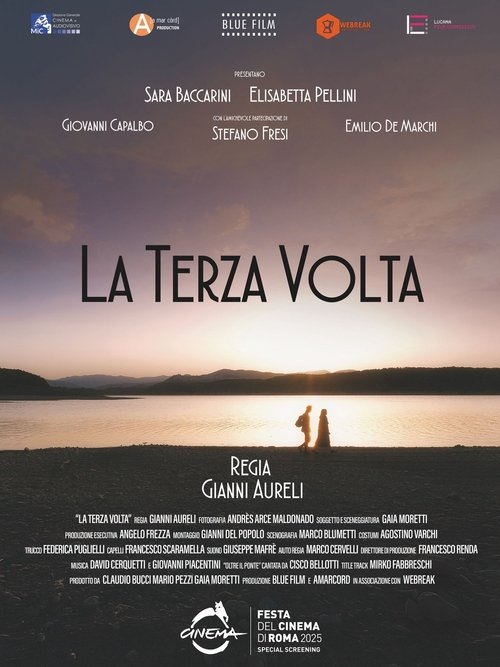
Matera, 1943. Partisan Nichi has been wounded and is returning to her brigade's hideout, but her true concerns are focused on the fate of her husband, a prisoner of the German army. When she arrives at the hideout, however, she finds no one there except a young courier accompanied by a civilian woman who urgently needs to be escorted out of the city by nightfall.


South Korean cinema is in the throes of a creative explosion where mavericks are encouraged and masters are venerated. But from where has this phenomenon emerged? What is the culture that has yielded this range of filmmakers? With The Nine Lives of Korean Cinema, French critic, writer and documentarian Hubert Niogret provides a broad overview but, nevertheless, an excellent entry point into this unique type of national cinema that still remains a mystery for many people. The product of a troubled social and political history, Korean cinema sports an identity that is unique in much modern film. Niogret's documentary tells of the country's cinematic history - the ups along with the downs - and gives further voice to the artists striving to express their concerns, fears and aspirations.